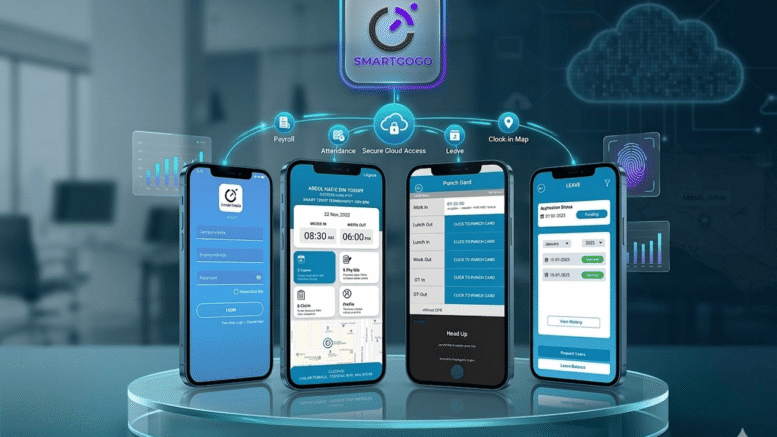
Managing employee leave is one of the most important daily responsibilities for every HR department. Whether a company has 20 employees or 2,000 employees, leave applications, approvals, balances, medical leave, emergency leave, annual leave, unpaid leave, replacement leave, and payroll adjustments must be handled accurately. In many Malaysian organizations, leave is still managed using paper forms, spreadsheets, emails, WhatsApp messages, and manual calculations. This often leads to delays, mistakes, missing records, and unnecessary administrative workload.
A Leave Tracking System Malaysia helps businesses digitalize and automate the entire leave management process. Employees can apply for leave online, managers can approve requests quickly, and HR teams can track leave balances, policies, reports, and employee records from one centralized platform. Instead of depending on manual filing and repeated follow-ups, organizations can manage leave with greater speed, accuracy, transparency, and control.
At Smart Touch technology pte ltd, our smart leave tracking and HR management solutions are designed to help Malaysian companies, schools, factories, offices, institutions, and multi-branch organizations simplify HR operations and build a more efficient paperless workplace.
What Is a Leave Tracking System?
A leave tracking system is a digital HR solution that records, monitors, and manages employee leave. It replaces manual leave forms and spreadsheet-based tracking with an automated platform that handles leave applications, approval workflows, balance calculations, policy rules, notifications, reports, and historical records.
With a leave tracking system, employees can submit leave requests through a web portal, mobile platform, or employee self-service system. The request is automatically sent to the right manager or department head for approval. Once approved, the leave balance is updated automatically, and HR can view the record instantly.
A complete leave tracking system can support different leave types such as annual leave, medical leave, hospitalisation leave, emergency leave, unpaid leave, replacement leave, maternity leave, paternity leave, marriage leave, compassionate leave, study leave, childcare leave, and company-specific leave categories.
For Malaysian businesses that want more accurate HR records and faster internal processes, a leave tracking system is a practical and valuable investment.
Why Malaysian Companies Need a Leave Tracking System
Malaysia has a diverse business environment that includes SMEs, factories, retail chains, logistics companies, corporate offices, schools, service providers, construction companies, clinics, warehouses, plantations, and multinational organizations. Each workplace has different employee groups, shift patterns, departments, branches, and HR policies.
When leave is tracked manually, HR teams often face many challenges. Employees may not know their latest leave balance. Managers may approve leave without checking manpower availability. HR may need to calculate entitlements manually. Paper forms may go missing. Spreadsheet formulas may be changed accidentally. Leave records may not match payroll or attendance data.
These problems can create employee frustration and management confusion. A Leave Tracking System Malaysia helps solve these issues by bringing leave records into one organized digital platform. It allows every leave transaction to be properly submitted, reviewed, approved, recorded, and reported.
For companies that want to improve HR efficiency, reduce paperwork, and support better workforce planning, leave tracking automation is an essential step.
Key Benefits of a Leave Tracking System Malaysia
1. Faster Leave Application and Approval
Manual leave applications can take time. Employees may need to print a form, fill it in, pass it to a supervisor, wait for a signature, and submit it to HR. If the manager is not available, the process becomes delayed.
With a digital leave tracking system, employees can apply for leave anytime through the system. Managers receive the request immediately and can approve or reject it quickly. Notifications keep everyone updated, reducing the need for follow-up messages.
This helps employees plan their personal matters better and allows managers to respond faster.
2. Accurate Leave Balance Calculation
Leave balance errors are one of the most common HR issues. Manual calculations can become complicated when employees have different joining dates, confirmation dates, leave entitlements, carry-forward rules, unpaid leave adjustments, or pro-rated leave calculations.
A smart leave tracking system calculates leave balances automatically based on company policy. Employees can view their available balance before applying, while managers can review the balance before approving.
This reduces disputes and gives everyone confidence in the accuracy of leave records.
3. Better Workforce Planning
Managers need to know who will be absent before approving leave. If too many employees from the same department take leave on the same day, business operations may be affected.
A leave tracking system provides a calendar view showing approved leave, pending requests, public holidays, rest days, and team availability. Managers can make better approval decisions based on real-time manpower information.
This is especially useful for factories, customer service teams, retail outlets, logistics teams, security companies, schools, and any organization that depends on daily staff coverage.
4. Paperless HR Operation
A digital leave tracking system helps companies move toward paperless HR. There is no need to print forms, store physical files, or search through cabinets for old records. Every application and approval is stored digitally.
This reduces administrative work and creates a cleaner, more modern HR process. It also helps companies save time, reduce printing costs, and improve record organization.
5. Centralized Leave Records
When leave records are scattered across forms, emails, spreadsheets, and messages, HR teams may struggle to maintain accuracy. A leave tracking system stores all leave information in one centralized location.
HR can search records by employee, department, leave type, date, approval status, or branch. This makes reporting and record retrieval much easier.
Centralized records are also useful for audits, payroll checks, employee reviews, and management reporting.
6. Improved Transparency for Employees
Employees often need to ask HR how many days of leave they have left or whether their application has been approved. This creates repeated work for HR.
With employee self-service access, staff can check their own leave balance, application status, leave history, and upcoming approved leave. This improves transparency and reduces unnecessary HR inquiries.
A transparent leave process helps build trust between employees and the organization.
7. Reduced HR Workload
HR teams spend a lot of time checking leave forms, updating spreadsheets, answering balance questions, sending reminders, preparing reports, and correcting errors. A leave tracking system automates many of these tasks.
This allows HR professionals to focus on more valuable responsibilities such as recruitment, employee engagement, training, performance management, policy improvement, and workforce planning.
Important Features of a Leave Tracking System
A reliable leave tracking system should be simple enough for employees to use but powerful enough for HR to manage complex policies.
Online Leave Application
Employees should be able to apply for leave digitally by selecting leave type, date range, reason, attachment, and contact information. The system should automatically check balance availability and prevent invalid applications where necessary.
Multi-Level Approval Workflow
Some organizations require one approval level, while others require approval from supervisor, department head, HR, or management. A good leave tracking system should support flexible approval workflows based on department, position, employee group, or leave type.
Custom Leave Types
Every company has its own HR policies. The system should allow HR to create and manage different leave categories, including annual leave, medical leave, emergency leave, replacement leave, unpaid leave, maternity leave, paternity leave, compassionate leave, study leave, and special leave.
Automatic Leave Entitlement
The system should calculate leave entitlement based on employment date, confirmation date, service length, employee grade, company policy, and other relevant rules. It should also support pro-rated calculations for new joiners and resigned employees.
Carry-Forward and Expiry Rules
Many companies allow unused leave to be carried forward for a certain period. A smart system can manage carry-forward limits, expiry dates, forfeiture rules, and balance adjustments automatically.
Calendar and Team View
A leave calendar helps managers and HR teams see who is away on specific dates. It supports better manpower planning and prevents too many employees from being absent at the same time.
Medical Certificate Attachment
For medical leave or hospitalisation leave, employees may need to upload supporting documents. A digital system allows attachments to be stored together with the leave record for easy reference.
Notifications and Reminders
Automatic notifications can be sent when leave is submitted, approved, rejected, cancelled, or pending for too long. This keeps the process moving and reduces manual follow-up.
Leave Reports
HR teams need reports for monthly leave summary, employee leave history, department leave usage, outstanding balance, medical leave trends, unpaid leave records, and payroll-related adjustments. A complete system should generate these reports quickly.
Mobile-Friendly Access
Employees and managers are often away from their desks. Mobile-friendly access allows leave applications and approvals to be completed conveniently from different locations.
Leave Tracking System for SMEs in Malaysia
Small and medium-sized enterprises often operate with limited HR manpower. Even a simple leave process can become a burden when records are handled manually. A leave tracking system helps SMEs create a more professional HR process without requiring a large HR department.
Employees can apply online, managers can approve quickly, and HR can maintain accurate records with less effort. This helps SMEs reduce errors, improve employee satisfaction, and prepare for future business growth.
For growing Malaysian SMEs, digital leave management is one of the easiest ways to modernize HR operations.
Leave Tracking System for Factories and Shift Workers
Factories and manufacturing companies often manage large teams, different shifts, overtime, rest days, and production schedules. Leave approval must be handled carefully because manpower shortages can affect output.
A leave tracking system helps factory supervisors check team availability before approving leave. It can also integrate with attendance and shift management systems to ensure approved leave is reflected correctly in attendance records.
This reduces payroll errors and helps production teams maintain proper manpower planning.
Leave Tracking System for Offices and Corporate Teams
Corporate offices need a smooth and transparent leave process. Employees may work across different departments, branches, or hybrid arrangements. A digital leave tracking system allows teams to manage leave more professionally.
Managers can view department leave calendars, employees can check balances, and HR can generate reports easily. This supports better planning, smoother communication, and a more organized workplace.
Leave Tracking System for Schools and Education Institutions
Schools, colleges, universities, and training centers need to manage teachers, administrative staff, support workers, maintenance teams, and contract staff. Leave planning is important because staff absence can affect classes, student services, and daily operations.
A leave tracking system helps education institutions manage leave applications, approvals, substitute planning, and staff availability. It also provides clear records for administrators and management.
Leave Tracking System for Multi-Branch Companies
Companies with multiple branches often struggle to maintain consistent HR records. Different branches may submit leave forms separately, causing delays and inconsistent reporting.
A centralized leave tracking system allows HR headquarters to monitor leave records across all branches. Branch managers can approve requests locally, while HR can access consolidated reports.
This improves control, consistency, and visibility across the whole organization.
Connecting Leave Tracking with Attendance and Payroll
Leave management is closely related to attendance and payroll. Approved leave should be reflected correctly in attendance reports. Unpaid leave should be considered during payroll processing. Medical leave, emergency leave, half-day leave, and replacement leave should be recorded properly.
When a leave tracking system is integrated with time attendance and payroll software, HR can reduce duplicate data entry and improve accuracy. Approved leave can flow into attendance reports, and payroll teams can process salary with better information.
This is especially useful for companies using SmartTime attendance, shift scheduling, automated payslip generation, and payroll management systems.
How Leave Tracking Improves Employee Experience
A good HR system should make life easier for employees, not only for management. A leave tracking system gives employees a simple and transparent way to apply for leave and check their status.
Employees no longer need to wonder whether their leave form has reached the manager. They no longer need to repeatedly ask HR for their balance. They can plan their leave with better confidence because the information is available in the system.
This creates a more positive employee experience and supports a modern workplace culture.
Reducing Payroll Disputes with Accurate Leave Records
Payroll disputes often happen when leave records are unclear. An employee may claim that leave was approved, while HR may not have the correct record. Unpaid leave may be missed. Half-day leave may be calculated wrongly. Medical leave may not be supported by documents.
A digital leave tracking system creates a clear record of every application, approval, rejection, cancellation, and adjustment. This makes payroll checking easier and reduces misunderstandings.
Accurate leave records help protect both employees and employers.
Why Manual Leave Tracking Is No Longer Enough
Manual leave tracking may work for a very small team, but it becomes risky as the organization grows. Paper forms can disappear. Spreadsheet formulas can break. Managers may approve leave without checking balances. HR may spend too much time correcting records.
A digital leave tracking system offers better control, faster processing, more accurate calculations, and easier reporting. It helps organizations move away from reactive HR administration and toward proactive workforce management.
For companies aiming to digitalize HR operations, leave tracking is one of the most practical starting points.
Choosing the Right Leave Tracking System Malaysia
The right leave tracking system should be user-friendly, flexible, secure, and scalable. It should support Malaysian business needs, multiple leave types, custom policies, approval workflows, calendar views, reports, mobile access, and integration with attendance or payroll systems.
Organizations should choose a solution that can match their real operating environment. A factory may need shift-based leave visibility. A school may need department-level approvals. A corporate office may need employee self-service. A multi-branch company may need centralized reporting.
The best system should simplify HR work, not make it more complicated.
Why Choose Smart Touch for Leave Tracking System Malaysia
Smart Touch technology pte ltd provides practical digital HR, attendance, access control, visitor management, and workforce management solutions for organizations in Malaysia and Singapore. Our leave tracking system is designed to help companies automate leave applications, approvals, balance calculations, reporting, and HR records.
We understand that every organization has different leave policies and approval structures. Our solution can be configured to support your company’s leave types, entitlement rules, carry-forward policies, approval levels, departments, branches, and employee groups.
With Smart Touch, businesses can reduce paperwork, improve HR accuracy, speed up approvals, and provide employees with a better digital HR experience.
Build a Smarter HR Process with Leave Tracking
A Leave Tracking System Malaysia is more than a digital form. It is a complete HR tool that helps organizations manage employee leave with better accuracy, transparency, and efficiency. It reduces paperwork, prevents calculation errors, improves workforce planning, supports payroll accuracy, and gives employees convenient access to their own leave information.
For SMEs, factories, offices, schools, institutions, service companies, and multi-branch businesses, digital leave tracking is a practical step toward smarter HR management.
As workplaces continue to become more digital, companies that adopt smart HR systems will be better prepared to manage employees, support growth, and improve operational efficiency.
For a complete breakdown of features and modules, visit our product page here: https://www.smartouch.com.my/e-leave-system/
Smart Touch technology pte ltd, www.smartouch.com.sg, +65-63964767, sales@smartouch.com.sg, www.smartouch.com.my, +607-3889903, sales@smartouch.com.my