5 Workforce Analytics You Can Only Uncover With A Smart HR System
In today’s competitive business environment, organisations across Malaysia are increasingly recognising that data-driven decision-making is no longer optional—it’s essential. Yet many companies still rely on manual spreadsheets, fragmented systems, and intuition-based management approaches. The challenge is that traditional methods leave significant blind spots in workforce management, preventing leaders from understanding the true dynamics of their teams and organisations.
A smart HR system transforms raw employee data into actionable insights that can reshape how you manage talent, optimise performance, and drive business growth. In this article, we’ll explore five critical workforce analytics that only a comprehensive HR system can reveal—insights that could fundamentally change how you lead your organisation.
Understanding Workforce Analytics in the Modern Workplace
Workforce analytics represents the systematic collection, analysis, and interpretation of employee and organisational data to inform strategic decisions. It goes far beyond simple headcount reports or basic payroll information. Instead, it provides deep insights into patterns, trends, and correlations that affect your business performance.
For Malaysian businesses managing diverse teams, multiple departments, and complex compliance requirements, having access to comprehensive workforce analytics is particularly valuable. These insights help organisations identify inefficiencies, anticipate challenges, and capitalise on opportunities that might otherwise remain hidden.
1. Employee Engagement and Retention Predictors
One of the most valuable insights a smart HR system can provide is the ability to predict which employees are at risk of leaving your organisation. Rather than discovering resignations after they happen, advanced analytics can identify patterns in employee behaviour, satisfaction, and engagement levels.
A robust HR system tracks multiple data points that correlate with retention risk, such as:
- Changes in work patterns and productivity trends
- Frequency of leave requests and absence patterns
- Internal transfer requests and career progression data
- Training participation and skill development activities
- Performance review scores and feedback sentiment
By identifying these patterns early, HR leaders and managers can intervene proactively—whether through career development conversations, compensation reviews, or role adjustments. This predictive capability alone can significantly reduce costly turnover and preserve institutional knowledge.
2. True Workforce Productivity and Performance Metrics
Many organisations struggle to accurately measure productivity because they lack visibility into how time and effort translate into actual business outcomes. A smart HR system aggregates data from various sources to create a comprehensive view of performance across teams and departments.
This includes metrics such as:
- Project completion rates and timeline adherence
- Quality of work and error rates
- Collaboration patterns and cross-functional teamwork
- Individual contribution to team and organisational goals
- Correlation between specific skills and performance outcomes
These insights help managers move beyond subjective assessments and make evidence-based decisions about performance management, promotions, and resource allocation. For Malaysian organisations managing remote or hybrid teams, this visibility becomes even more critical.
3. Skills Gaps and Workforce Capability Planning
Strategic workforce planning requires understanding not just who you have, but what capabilities exist within your team and what gaps need to be filled. A smart HR system maintains a comprehensive skills inventory that updates dynamically as employees develop new competencies and complete training programmes.
How Skills Analytics Drive Better Planning
By mapping individual skills against current and future business needs, organisations can identify critical gaps and develop targeted strategies. This might involve internal training initiatives, recruitment of specific expertise, or reorganisation of team structures.
For Malaysian businesses operating in regulated industries, this capability is particularly valuable for ensuring compliance with licensing requirements and maintaining necessary certifications within your workforce.
4. Compensation and Benefits Effectiveness
HR departments often spend significant resources on compensation and benefits programmes without truly understanding their impact on employee satisfaction, attraction, or retention. A smart HR system correlates compensation data with engagement, performance, and retention metrics to reveal what’s actually working.
Workforce analytics can show you:
- Which benefits are most valued by different employee segments
- How competitive your compensation is across market benchmarks
- Whether compensation adjustments correlate with improved retention
- Which salary bands show the highest employee satisfaction and performance
- The ROI of specific benefits programmes
This intelligence is invaluable when making budget decisions and ensuring your investment in people actually delivers measurable returns.
5. Organisational Culture and Team Dynamics Insights
Perhaps the most sophisticated insight a smart HR system can provide relates to organisational culture and team dynamics. By analysing communication patterns, collaboration data, tenure diversity, and demographic information alongside engagement scores and performance data, the system reveals how your culture is actually functioning.
These insights help identify:
- Silos between departments that limit collaboration
- Teams with high cohesion and effective communication
- Leadership effectiveness across different management levels
- Diversity and inclusion metrics and their correlation with performance
- Knowledge transfer risks when key personnel might leave
For organisations in Malaysia with diverse multicultural workforces, understanding these dynamics is essential for building inclusive, high-performing teams.
Why Manual Systems Cannot Provide These Insights
It’s worth noting why spreadsheets and disconnected systems fall short. Manual data management is inherently limited in scope—it’s time-consuming, prone to errors, and cannot process the volume of data required for meaningful pattern analysis. More importantly, manual systems cannot identify correlations across different data sets or track changes over time in real-time.
A smart HR system, by contrast, continuously collects data from multiple sources, applies analytical algorithms, and presents insights in a format that supports decision-making. This automation enables speed, accuracy, and consistency that manual approaches cannot match.
How Smart Touch Technology Can Help
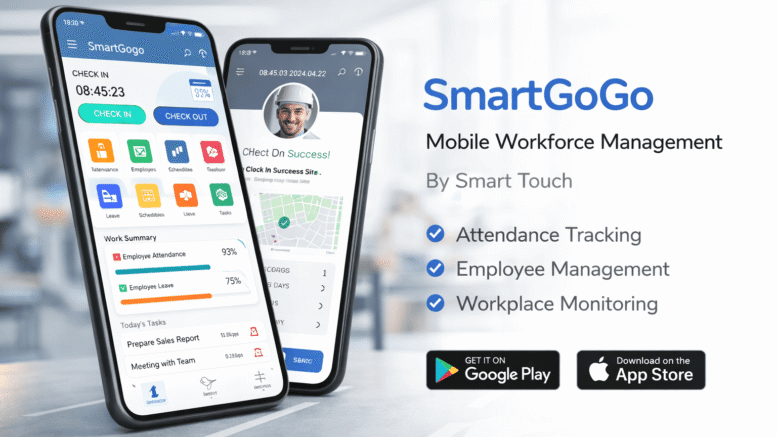
Smart Touch Technology’s smartgogo apps provides Malaysian organisations with a comprehensive HR platform designed to unlock these powerful workforce analytics. The system integrates employee data from across your organisation, creating a single source of truth for HR information and analytics.
With smartgogo, you gain access to:
- Real-time dashboards that display key workforce metrics
- Predictive analytics that help anticipate retention risks and performance issues
- Skills mapping and gap analysis capabilities
- Comprehensive reporting tools that transform data into actionable insights
- Integration with payroll and performance management systems
By consolidating your HR data into a single intelligent system, smartgogo enables you to see patterns that multiple disconnected systems cannot reveal. This means you can make faster, more informed decisions about talent management, organisational planning, and strategic resource allocation.
Interested in this product? Click here to learn more about how smartgogo can transform your workforce analytics capabilities.
Conclusion
Workforce analytics represents a frontier in organisational management—one where data-driven insights replace guesswork and intuition. The five types of analytics we’ve explored—employee retention prediction, productivity metrics, skills gap analysis, compensation effectiveness, and culture insights—can only be fully realised through a smart, integrated HR system.
For Malaysian businesses competing in an increasingly complex marketplace, the organisations that can see and understand their workforce most clearly will have a significant competitive advantage. They’ll retain talent more effectively, deploy resources more strategically, and build stronger, more engaged teams.
If your organisation is still relying on manual processes or fragmented systems, now is the time to consider how a modern HR platform could transform your people management and unlock insights that have remained hidden. The data is already being generated by your employees every day—a smart HR system simply helps you understand what it’s telling you.
Smart Touch Technology Pte Ltd
Singapore: www.smartouch.com.sg | +65-63964767 | sales@smartouch.com.sg
Malaysia: www.smartouch.com.my | +607-3889903 | sales@smartouch.com.my