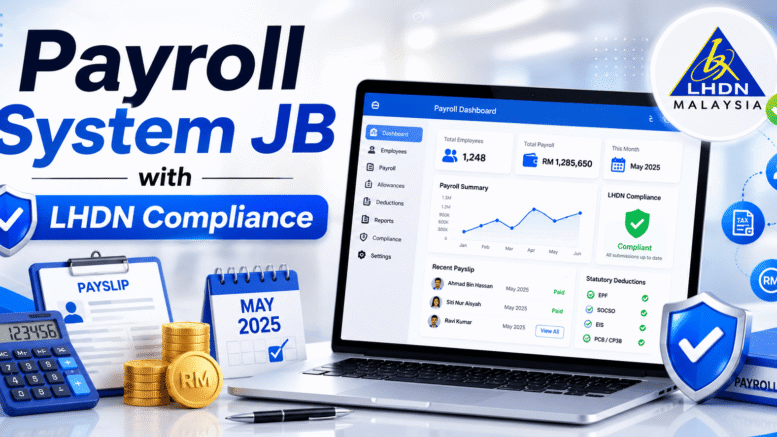
Payroll compliance in Malaysia is a dynamic responsibility. With changes to statutory contribution rates, the introduction of new employee categories, and regular updates to the Employment Act, HR and payroll teams must stay current to avoid penalties. This definitive 2026 compliance checklist for monthly payroll in Malaysia helps organisations review their processes, confirm accuracy, and remain fully compliant with all applicable laws and regulations.
Why Monthly Payroll Compliance Matters in Malaysia
Payroll errors are not just administrative inconveniences — they carry legal and financial consequences. Late statutory contributions, incorrect tax deductions, and failure to comply with Employment Act provisions can result in fines, penalties, and reputational damage. For businesses operating in Malaysia, maintaining a rigorous monthly payroll compliance process is essential.
Key Malaysian Payroll Legislation to Know
The primary legislative frameworks governing payroll in Malaysia include the Employment Act 1955 (as amended), the Employees Provident Fund Act 1991, the Employees’ Social Security Act 1969 (SOCSO), the Employment Insurance System Act 2017 (EIS), and the Income Tax Act 1967. Each imposes specific obligations on employers regarding contribution rates, payment deadlines, and record-keeping requirements.
The 2026 Monthly Payroll Compliance Checklist
1. Verify Employee Classification and Eligibility
Confirm that all employees are correctly classified — permanent, contract, part-time, or foreign workers — as contribution obligations and entitlements differ by category. Ensure new hires have been enrolled in EPF, SOCSO, and EIS within the required timeframe.
2. Confirm Statutory Contribution Rates
For 2026, verify the applicable EPF contribution rates for both employer and employee. The standard employee contribution rate is 11% and employer rate is 13% for wages up to RM 5,000. Confirm SOCSO and EIS rates are applied correctly based on the employee’s salary band. Always cross-check against the latest KWSP, PERKESO, and LHDN circulars for any mid-year updates.
3. Calculate PCB/MTD Tax Deductions Accurately
Potongan Cukai Berjadual (PCB) must be calculated using the current tax tables published by LHDN. Ensure that employees’ personal reliefs, deductions, and additional income declarations from EA forms are factored into the monthly deduction calculation. Use PCB Calculator 2.0 or integrated payroll software to minimise calculation errors.
4. Process All Allowances and Deductions Correctly
Review each employee’s payslip to confirm that all allowances (housing, transport, meal, overtime) are correctly included and that deductions such as loan repayments, advance salary, and leave without pay are accurately applied. Overtime calculations must comply with the Employment Act, including correct rates for rest days and public holidays.
5. Submit Statutory Contributions On Time
EPF contributions must be submitted by the 15th of the following month. SOCSO and EIS contributions share the same deadline. PCB remittance to LHDN is also due by the 15th. Missing these deadlines attracts late payment charges and potential audits.
6. Generate and Distribute Payslips
Malaysian law requires employers to provide employees with payslips each pay period. Payslips must clearly show gross salary, all allowances, deductions, statutory contributions, and net pay. Digital payslip systems allow secure electronic distribution while maintaining records.
7. Maintain Payroll Records
Employers must retain payroll records for at least seven years in accordance with Malaysian tax and employment laws. Ensure your payroll system maintains a complete audit trail including payroll registers, payment receipts, and statutory submission confirmations.
How Payroll Software Simplifies Compliance
Manual payroll processing increases the risk of compliance errors. A dedicated payroll software solution automates EPF, SOCSO, EIS, and PCB calculations, generates submission files in the required format for each statutory body, alerts HR teams to upcoming deadlines, and maintains complete digital records. This reduces human error, saves processing time, and provides confidence that every payroll cycle is fully compliant.
Conclusion
Staying compliant with monthly payroll in Malaysia requires attention to detail, up-to-date knowledge of statutory requirements, and reliable systems. This 2026 compliance checklist provides a structured framework to review your processes every month — helping you avoid penalties, protect your employees, and maintain smooth payroll operations throughout the year.
Frequently Asked Questions (FAQ)
What is the deadline for EPF submission in Malaysia?
EPF contributions must be submitted by the 15th of the following month. Late submissions attract a late payment penalty of 6% per annum on the outstanding amount.
What happens if an employer misses the PCB submission deadline?
Late PCB remittance to LHDN attracts a penalty of 10% of the unpaid tax amount. Employers may also face prosecution under the Income Tax Act for persistent non-compliance.
Is payroll software mandatory for Malaysian businesses?
It is not legally mandatory, but payroll software is strongly recommended as it reduces errors, automates statutory calculations, and ensures timely compliance with EPF, SOCSO, EIS, and LHDN requirements.
How long must payroll records be retained in Malaysia?
Malaysian law requires payroll records to be retained for at least seven years for tax purposes. This includes payroll registers, payslips, and statutory contribution receipts.
Does the 2026 Employment Act amendment affect payroll calculations?
Any Employment Act amendments that affect employee categories, minimum wage, or statutory entitlements directly impact payroll calculations. Always review the latest official government announcements before processing each payroll cycle.
Smart Touch technology pte ltd , www.smartouch.com.sg +65-63964767, sales@smartouch.com.sg , www.smartouch.com.my +607-3889903 sales@smartouch.com.my