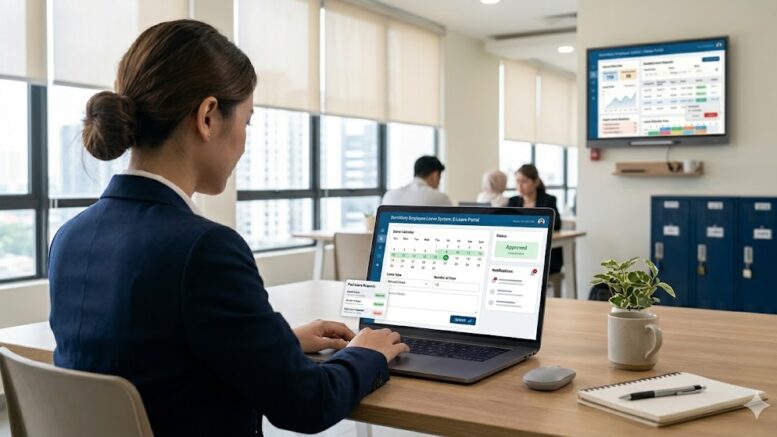
Why Malaysian Businesses Are Moving to a Digital eLeave System
Managing employee leave with paper forms, email chains, and shared spreadsheets creates unnecessary friction for HR teams and employees alike. A digital eLeave system replaces these manual processes with a single, centralised platform where staff can apply for leave, check their balances, and receive approvals in just a few clicks. For growing businesses in Malaysia, this shift is no longer a nice-to-have; it has become an operational necessity as remote work, multiple branches, and complex leave policies make manual tracking increasingly error-prone.
Beyond convenience, a digital eLeave system gives HR departments accurate, real-time visibility into staffing levels across departments. Instead of chasing paper trails or reconciling conflicting spreadsheet entries, managers can see exactly who is on leave, who is available, and how upcoming absences might affect project timelines. This visibility reduces scheduling conflicts, supports fairer workload distribution, and helps businesses stay compliant with Malaysian employment regulations regarding annual leave, medical leave, and other statutory entitlements.
What Is a Digital eLeave System?
A digital eLeave system is a cloud-based software solution that automates the entire leave management lifecycle, from application and approval to balance tracking and reporting. Employees submit leave requests through a web portal or mobile app, and the system automatically routes the request to the correct approver based on predefined workflows. Once approved, the leave balance updates instantly, eliminating the need for manual recalculation.
Core Features to Look For
| Feature | Why It Matters |
|---|---|
| Self-service leave application | Employees can apply for leave anytime without paperwork |
| Automated approval workflows | Requests route instantly to the correct manager or HR personnel |
| Real-time leave balance tracking | Removes disputes over how many days remain |
| Calendar and team visibility | Helps managers plan around staff availability |
| Custom leave policies | Supports annual, medical, emergency, and unpaid leave types |
Key Benefits of a Digital eLeave System
1. Faster Approvals
Leave requests that once took days to process through email or physical forms can now be approved within minutes. Automated notifications alert managers the moment a request is submitted, reducing bottlenecks and keeping employees informed of their application status in real time.
2. Reduced Administrative Burden
HR teams no longer need to manually update spreadsheets or chase paper forms for signatures. This frees up valuable time that can be redirected toward strategic HR initiatives such as employee engagement and talent development.
3. Improved Accuracy
Automated leave balance calculations eliminate the human error common in manual tracking, ensuring employees and managers always have access to accurate, up-to-date information.
4. Better Compliance
A digital eLeave system helps businesses maintain accurate records for audit purposes and ensures leave policies are applied consistently across the organisation, supporting compliance with Malaysian labour regulations.
5. Enhanced Employee Experience
Employees appreciate the transparency and convenience of being able to check their leave balance and submit requests from their phone, without needing to track down an HR representative.
Best Practices for Implementing a Digital eLeave System
Rolling out a new eLeave system successfully requires more than just installing software. A structured implementation approach ensures smooth adoption across your workforce.
Step-by-Step Rollout Guide
Step 1: Map out your current leave policies, including entitlements for annual, medical, and emergency leave, so they can be accurately configured in the system.
Step 2: Set up approval hierarchies that reflect your organisational structure, ensuring requests reach the right decision-makers without unnecessary delays.
Step 3: Migrate historical leave balance data to ensure employees start with accurate figures from day one.
Step 4: Conduct training sessions for both employees and managers so everyone understands how to submit, approve, and track leave requests.
Step 5: Monitor adoption during the first few weeks and gather feedback to fine-tune workflows and address any usability concerns.
Choosing the Right eLeave System for Your Business
Feature Comparison: What to Look For
| Consideration | Why It Matters |
|---|---|
| Mobile accessibility | Supports remote and on-the-go employees |
| Integration with payroll | Ensures unpaid leave and deductions are calculated correctly |
| Scalability | Accommodates business growth across multiple locations |
| Reporting and analytics | Provides insights into absence trends and staffing patterns |
Key Takeaways
When evaluating eLeave systems, prioritise ease of use, integration capabilities, and the flexibility to configure policies that match your organisation’s specific needs. The right platform should reduce administrative work while giving both employees and managers clear visibility into leave activity.
Conclusion
A digital eLeave system transforms leave management from a time-consuming administrative task into a streamlined, transparent process that benefits employees, managers, and HR teams alike. By automating approvals, improving accuracy, and providing real-time visibility, businesses can reduce disputes, strengthen compliance, and free up valuable time for more strategic work. As Malaysian businesses continue to modernise their HR operations, adopting a reliable eLeave system is a practical step toward greater efficiency and employee satisfaction.
Frequently Asked Questions
1. How does a digital eLeave system calculate leave balances?
The system automatically deducts approved leave days from an employee’s entitlement in real time, ensuring balances are always accurate and up to date.
2. Can a digital eLeave system handle different types of leave?
Yes, most systems support multiple leave categories, including annual, medical, emergency, and unpaid leave, each configured according to your company policy.
3. Is a digital eLeave system suitable for small businesses?
Absolutely. Cloud-based eLeave systems are scalable and can be configured for businesses of any size, from small teams to large multi-branch organisations.
4. Does the system work on mobile devices?
Most modern eLeave platforms offer mobile apps or mobile-friendly web portals, allowing employees to apply for leave and check balances from anywhere.
5. How long does it take to implement a digital eLeave system?
Implementation timelines vary, but with proper planning, most businesses can be fully operational within a few weeks, including data migration and staff training.
For a complete breakdown of features and modules, visit our product page here: https://www.smartouch.com.my/e-leave-system/.
Smart Touch technology pte ltd , www.smartouch.com.sg +65-63964767, sales@smartouch.com.sg , www.smartouch.com.my +607-3889903 sales@smartouch.com.my
Key Benefits of a Digital eLeave System
1. Faster Approvals
Leave requests that once took days to process through email or physical forms can now be approved within minutes. Automated notifications alert managers the moment a request is submitted, reducing bottlenecks and keeping employees informed of their application status in real time.
2. Reduced Administrative Burden
HR teams no longer need to manually update spreadsheets or chase paper forms for signatures. This frees up valuable time that can be redirected toward strategic HR initiatives such as employee engagement and talent development.
3. Improved Accuracy
Automated leave balance calculations eliminate the human error common in manual tracking, ensuring employees and managers always have access to accurate, up-to-date information.
4. Better Compliance
A digital eLeave system helps businesses maintain accurate records for audit purposes and ensures leave policies are applied consistently across the organisation, supporting compliance with Malaysian labour regulations.
5. Enhanced Employee Experience
Employees appreciate the transparency and convenience of being able to check their leave balance and submit requests from their phone, without needing to track down an HR representative.
Best Practices for Implementing a Digital eLeave System
Rolling out a new eLeave system successfully requires more than just installing software. A structured implementation approach ensures smooth adoption across your workforce and minimises disruption during the transition period.
Step-by-Step Rollout Guide
Step 1: Map out your current leave policies, including entitlements for annual, medical, and emergency leave, so they can be accurately configured in the system.
Step 2: Set up approval hierarchies that reflect your organisational structure, ensuring requests reach the right decision-makers without unnecessary delays.
Step 3: Migrate historical leave balance data to ensure employees start with accurate figures from day one.
Step 4: Conduct training sessions for both employees and managers so everyone understands how to submit, approve, and track leave requests.
Step 5: Monitor adoption during the first few weeks and gather feedback to fine-tune workflows and address any usability concerns.