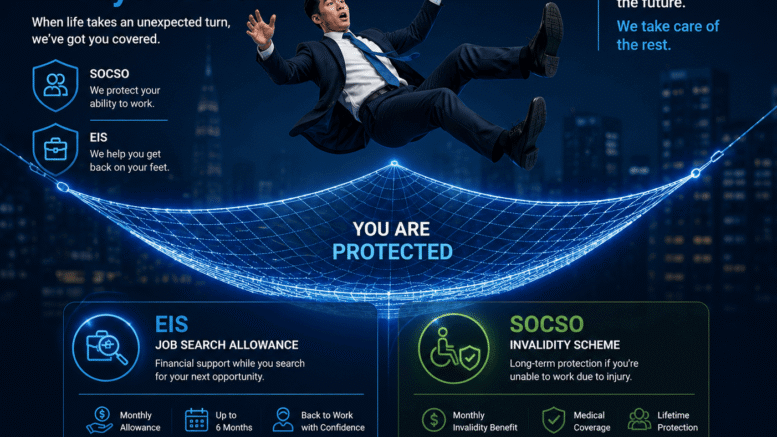
Every employer in Malaysia carries a legal responsibility to protect employees against workplace accidents and occupational illnesses. The PERKESO Employment Injury Scheme, administered by the Social Security Organisation (SOCSO), is the cornerstone of this protection. It provides medical care, financial compensation, and rehabilitation support to workers who are injured or fall ill because of their jobs. For business owners and HR professionals, understanding employer obligations under the PERKESO Employment Injury Scheme is not optional. It is a compliance requirement that protects both employees and the organisation from financial and legal risk. This guide walks through what the scheme covers, what employers must do to stay compliant, and how businesses can build systems that make ongoing compliance easier to manage.
What Is the PERKESO Employment Injury Scheme?
The PERKESO Employment Injury Scheme, sometimes called the Employment Injury Insurance Scheme, is a social security programme established under the Employees’ Social Security Act 1969. It is funded through monthly contributions paid by employers and is designed to provide financial protection when an employee is injured or contracts a disease because of their work.
The scheme covers several categories of incidents, including accidents that happen at the workplace, accidents that occur while commuting directly between home and work, and occupational diseases that develop as a result of the nature of a person’s job. Benefits under the scheme can include medical treatment, temporary or permanent disablement benefit, constant attendance allowance, dependants’ benefit, and funeral benefit in the event of death.
Who Is Covered Under the Scheme
All employees working under a contract of service in Malaysia are required to be covered under the Employment Injury Scheme, regardless of their salary level. Since 2019, the salary ceiling for mandatory coverage was removed, meaning employees earning above RM4,000 a month are also protected. Since 2018, the scheme has also been extended to cover foreign workers, making it essential for every employer, regardless of industry or workforce composition, to understand their responsibilities.
Employer Obligations Under the Employment Injury Scheme
Meeting PERKESO’s requirements involves more than making a single payment. Employers must actively manage registration, contributions, reporting, and documentation throughout the employment relationship.
Registration and Monthly Contributions
Employers must register their business and every eligible employee with PERKESO within 30 days of hiring their first staff member. Once registered, employers are responsible for deducting the employee’s share of contributions from wages, where applicable, and paying the employer’s share on top of it, then remitting the combined amount to PERKESO by the 15th of the following month.
| Contribution Component | Paid By | Purpose |
|---|---|---|
| Employment Injury Scheme | Employer only | Covers workplace and commuting accidents, occupational diseases |
| Invalidity Scheme | Employer and employee | Covers invalidity and survivor benefits unrelated to work injury |
| Employment Insurance System (EIS) | Employer and employee | Provides support during involuntary job loss |
Late or missed contributions can result in penalties, interest charges, and complications if an employee later needs to file a claim.
Timely Accident Reporting
When a workplace accident occurs, employers are legally required to report it to PERKESO using Form 21 within 48 hours, followed by a more detailed accident report on Form 22. Delayed reporting can slow down an injured employee’s access to medical benefits and may expose the employer to penalties for non-compliance.
Maintaining Accurate Records
PERKESO may request evidence to verify a claim, including attendance records, wage records, and details of the circumstances surrounding an incident. Employers are expected to maintain these records in an organised and retrievable format, as incomplete documentation can delay claims processing or create disputes over whether an injury is legitimately work-related.
Common Compliance Challenges Employers Face
Many Malaysian businesses, particularly small and medium enterprises, run into similar obstacles when managing their Employment Injury Scheme obligations. These include manual and error-prone payroll processes that lead to incorrect contribution amounts, missed reporting deadlines due to unclear internal responsibility, difficulty proving an employee’s presence at the workplace during an incident, and inconsistent record-keeping across departments or branches.
These challenges are magnified for companies with multiple outlets, shift-based staff, or a mobile workforce, where confirming exactly who was on duty and where can become time-consuming without a reliable system in place.
Best Practices for Staying Compliant
Building a proactive compliance culture reduces risk and makes it far easier to respond when PERKESO requests information. Consider the following key practices.
- Register new hires promptly and verify contribution calculations each payroll cycle.
- Assign clear internal ownership for accident reporting so deadlines are never missed.
- Keep digital, backed-up copies of accident reports, medical certificates, and correspondence with PERKESO.
- Conduct periodic internal audits of payroll and attendance records.
- Train supervisors and HR staff to recognise reportable incidents and occupational illnesses early.
- Review coverage whenever staffing changes, such as hiring foreign workers or contract staff.
How Digital Workforce Management Supports EIS Compliance
Accurate, tamper-resistant attendance data plays a bigger role in Employment Injury Scheme compliance than many employers realise. When an incident occurs, being able to confirm precisely when an employee clocked in, where they were on the premises, and what their shift pattern looked like can significantly speed up the reporting and verification process. Businesses that rely on manual sign-in sheets often struggle to produce this evidence quickly, while those using digital time and attendance or access control systems can retrieve accurate logs within minutes. This not only supports faster PERKESO reporting but also strengthens the overall reliability of workplace safety records.
Conclusion
Complying with the PERKESO Employment Injury Scheme is a fundamental responsibility for every Malaysian employer, not simply a box to tick during onboarding. From timely registration and accurate monthly contributions to prompt accident reporting and diligent record-keeping, each obligation plays a part in protecting employees and shielding the business from unnecessary risk. Employers who invest in clear internal processes and reliable workforce data are far better positioned to meet these obligations consistently, respond quickly when incidents occur, and maintain a safer, more accountable workplace overall.
Frequently Asked Questions
1. What is the PERKESO Employment Injury Scheme?
It is a social security scheme under SOCSO that provides medical care, compensation, and rehabilitation benefits to employees who are injured or become ill due to their work, including accidents that occur while commuting to or from work.
2. Who needs to register for the Employment Injury Scheme?
Every employer in Malaysia with at least one employee under a contract of service must register with PERKESO, and all eligible employees must be covered regardless of their salary.
3. What happens if an employer fails to report a workplace accident on time?
Failing to submit Form 21 within 48 hours of an accident can delay the employee’s access to benefits and may result in penalties for the employer under the Employees’ Social Security Act.
4. Are foreign workers covered under the scheme?
Yes. Since 2018, foreign workers employed in Malaysia are required to be covered under the Employment Injury Scheme, in addition to local employees.
5. How much does an employer need to contribute?
Contribution rates are based on the employee’s monthly wages according to PERKESO’s official contribution table, with the Employment Injury Scheme portion paid entirely by the employer.
Smart Touch technology pte ltd , www.smartouch.com.sg +65-63964767, sales@smartouch.com.sg , www.smartouch.com.my +607-3889903 sales@smartouch.com.my