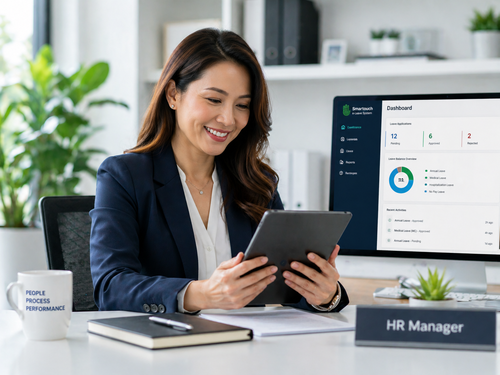
Managing employee leave is one of the most critical responsibilities of any Human Resources department. Whether you operate a small business or manage a large organisation across Malaysia, the way you handle leave requests, approvals, and compliance can significantly impact productivity, employee satisfaction, and legal standing.
An electronic leave system—commonly referred to as an e-leave system—streamlines the entire leave management process. Instead of juggling spreadsheets, manual approvals, and paper forms, organisations can automate leave planning and ensure consistent compliance with Malaysian employment laws and company policies. This practical guide explores how an e-leave system works, why it matters for modern businesses, and how to implement one effectively.
Understanding The E-Leave System
An e-leave system is a digital solution that automates the complete leave management workflow. It allows employees to submit leave requests online, enables managers to review and approve them with a few clicks, and provides HR teams with centralised visibility into all leave activities across the organisation.
Rather than relying on informal requests or outdated paper-based processes, an e-leave system creates a structured, transparent, and auditable record of all leave taken by employees. This digital approach reduces errors, saves time, and ensures that both employees and employers remain aligned on leave entitlements and policies.
Key Components Of An E-Leave System
A comprehensive e-leave system typically includes:
- Employee Self-Service Portal: Employees can view their leave balance, submit requests, and track approval status independently.
- Manager Dashboard: Managers receive notifications of pending requests and can approve or reject leave with comments.
- HR Administration Panel: HR personnel can configure leave policies, manage accruals, run reports, and ensure regulatory compliance.
- Leave Balance Tracking: The system automatically calculates remaining leave entitlements based on leave taken and company policies.
- Reporting And Analytics: Organisations gain insights into leave patterns, attendance trends, and compliance metrics.
- Integration Capabilities: The system connects with payroll, attendance, and other HR systems for seamless data flow.
Why Employee Leave Planning Matters
Effective leave planning is not merely an administrative convenience—it is a strategic business function. When employees plan their leave in advance through a formal system, organisations can:
- Maintain adequate staffing levels and plan workload distribution
- Reduce unplanned absences and last-minute scheduling disruptions
- Improve project planning and resource allocation
- Enhance employee morale by demonstrating fair and transparent leave policies
- Reduce stress on managers who no longer need to chase approval paperwork
In Malaysia, where employment law requires employers to provide statutory leave entitlements under the Employment Act 1955, having a system that tracks and manages these entitlements accurately is essential for both employer and employee protection.
HR Compliance And Legal Considerations
Malaysian employers must comply with various leave-related regulations. These typically include statutory annual leave, sick leave, and other mandated leave entitlements. An e-leave system helps organisations maintain compliance by:
- Automatically tracking leave balances against statutory minimums
- Ensuring leave is recorded accurately for audit purposes
- Maintaining complete documentation of leave requests and approvals
- Flagging potential compliance issues before they become problems
- Supporting fair and consistent application of leave policies across all employees
It is important to note that employment law and leave regulations in Malaysia may be updated from time to time. Employers should verify the latest requirements with the Ministry of Human Resources or relevant labour authorities to ensure their leave policies and systems remain compliant with current legislation.
Implementing An E-Leave System: Best Practices
1. Define Your Leave Policies Clearly
Before implementing any system, document your organisation’s leave policies in detail. This includes types of leave (annual, sick, compassionate, etc.), accrual methods, approval workflows, and any special provisions for different employee categories.
2. Involve Stakeholders Early
Consult with HR teams, managers, and employee representatives during the planning phase. Their input ensures the system addresses real operational needs and increases adoption rates when the system launches.
3. Plan Data Migration Carefully
If transitioning from manual or legacy systems, ensure accurate migration of historical leave records and current leave balances. Data accuracy is critical for maintaining trust in the new system.
4. Provide Comprehensive Training
Employees, managers, and HR staff will need training on how to use the new system. Provide clear documentation, video tutorials, and hands-on sessions to ensure everyone feels confident with the platform.
5. Start With A Pilot Group
Consider piloting the e-leave system with one department before rolling out organisation-wide. This approach allows you to identify issues, refine processes, and build confidence before full implementation.
6. Monitor And Refine
After launch, monitor usage patterns, gather feedback, and make adjustments as needed. An e-leave system should evolve with your organisation’s needs.
Common Challenges And Solutions
Challenge: Resistance To Change
Some employees and managers may resist moving away from familiar manual processes.
Solution: Communicate the benefits clearly—less paperwork, faster approvals, better visibility. Show how the system reduces administrative burden rather than adding complexity.
Challenge: Data Accuracy During Transition
Migrating historical leave records can introduce errors if not done carefully.
Solution: Conduct thorough data validation and reconciliation before going live. Verify leave balances with individual employees to catch discrepancies early.
Challenge: Integration With Existing Systems
An e-leave system needs to communicate with payroll, attendance, and other HR systems.
Solution: Choose a solution designed for integration or ensure your implementation partner has experience connecting multiple systems seamlessly.
Challenge: Policy Configuration Complexity
Organisations with complex leave policies may find configuration challenging.
Solution: Work with an experienced implementation team that understands Malaysian employment practices and can configure the system to reflect your specific policies.
How Smart Touch Technology Can Help
Smart Touch Technology offers an E-Leave System specifically designed to meet the needs of Malaysian organisations. Our solution simplifies employee leave planning and ensures HR compliance through a user-friendly platform that automates the entire leave management process.
Our E-Leave System provides organisations with:
- Automated leave balance calculations and tracking
- Streamlined approval workflows for managers and HR personnel
- Employee self-service portal for leave requests and balance inquiries
- Comprehensive reporting and analytics capabilities
- Integration with other HR and payroll systems
- Support for Malaysian employment leave regulations
For a complete breakdown of features and modules, visit our product page here: https://www.smartouch.com.my/e-leave-system/
Conclusion
An e-leave system transforms leave management from a time-consuming administrative task into a streamlined, transparent, and compliant process. By implementing a digital leave management solution, Malaysian organisations can improve operational efficiency, enhance employee satisfaction, and maintain consistent compliance with employment regulations.
Whether you are currently managing leave manually or looking to upgrade an existing system, investing in a proper e-leave system delivers significant returns through reduced administrative overhead, fewer compliance risks, and better insights into workforce patterns. The key to success is choosing a solution that understands your local regulatory environment, aligns with your organisational needs, and is supported by comprehensive implementation and training.
Smart Touch Technology Pte Ltd
Singapore: www.smartouch.com.sg | +65-63964767 | sales@smartouch.com.sg
Malaysia: www.smartouch.com.my | +607-3889903 | sales@smartouch.com.my