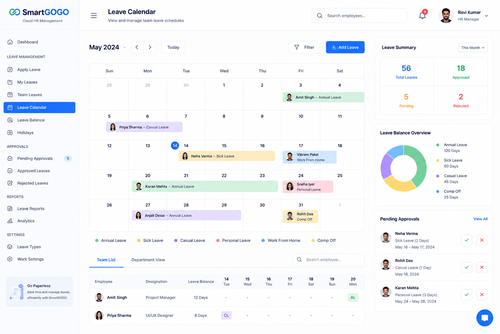
SmartLeave For Employee Leave Planning And HR Compliance: For Modern HR Teams
Managing employee leave can be one of the most time-consuming and error-prone responsibilities for human resources teams. In Malaysia, where employment regulations are specific and compliance requirements are strictly enforced, having a robust leave management system is not just a convenience—it’s a business necessity. Modern HR teams face increasing pressure to streamline leave processes, ensure regulatory compliance, and provide employees with a seamless experience. This is where a dedicated leave management solution becomes invaluable.
Whether you manage a small team or a large workforce, the challenges of leave planning remain consistent: tracking leave balances, managing approvals, ensuring compliance with Malaysian labour laws, and preventing scheduling conflicts. Without proper systems in place, HR departments often resort to manual processes that consume valuable time and increase the risk of mistakes. This article explores how modern leave management solutions can transform HR operations and help organisations maintain compliance while improving the employee experience.
The Challenges Of Traditional Leave Management
Many organisations in Malaysia still rely on manual leave management processes, such as spreadsheets, email requests, or basic paper-based systems. While these methods may have worked in smaller operations, they present significant challenges as organisations grow.
One of the primary issues is the lack of visibility. HR teams struggle to get a clear, real-time view of who is on leave, when, and how much leave balance remains. This can lead to scheduling conflicts, unexpected absences, and operational disruptions. Employees may also be uncertain about their leave entitlements or approval status, leading to frequent inquiries and administrative overhead.
Compliance is another critical concern. Malaysian employment laws, including the Employment Act 1955 and various collective agreements, establish specific requirements for annual leave, sick leave, compassionate leave, and other entitlements. Organisations must ensure they comply with these regulations while also managing company-specific leave policies. Manual tracking makes it easy to overlook compliance requirements or make errors that could result in disputes or penalties.
Additionally, manual processes are prone to human error. Leave balances may be calculated incorrectly, approval workflows may be delayed, and audit trails may be incomplete. These issues can damage employee morale and create legal risks for the organisation.
What Is A Modern Leave Management System?
A modern leave management system is a digital solution designed to automate and streamline the entire leave planning and administration process. Rather than relying on manual processes, these systems provide a centralised platform where employees can request leave, managers can approve or deny requests, and HR teams can monitor compliance and generate reports.
Key features of an effective leave management system typically include:
- Automated leave balance calculations based on employment terms and accrual rules
- Self-service leave request submission for employees
- Workflow-based approval processes with clear escalation paths
- Real-time visibility of leave schedules across teams and departments
- Compliance tracking to ensure adherence to relevant employment laws
- Leave calendar integrations for better planning and coordination
- Automated notifications and reminders for pending approvals
- Comprehensive reporting and analytics for strategic decision-making
By centralising leave data and automating routine tasks, modern systems reduce administrative burden, minimise errors, and improve transparency across the organisation.
Why Leave Planning Matters For Modern HR Teams
Effective leave planning is fundamental to HR operations for several reasons. First, it directly impacts organisational productivity. When leave is properly planned and scheduled, teams can arrange cover, adjust project timelines, and minimise disruption to business operations.
Second, leave planning affects employee engagement and retention. Employees who feel their leave requests are handled fairly and transparently are more likely to be satisfied with their workplace. Conversely, prolonged approval delays or perceived unfairness in leave allocation can damage morale and increase turnover.
Third, proper leave planning ensures compliance with employment regulations. In Malaysia, employers are legally required to grant employees their entitled leave. Failure to do so can result in disputes, claims for leave compensation, and reputational damage. A systematic approach to leave management reduces these risks significantly.
Finally, leave data provides valuable insights for HR strategy. By analysing leave patterns, HR teams can identify trends, manage workforce planning more effectively, and anticipate staffing needs during peak leave periods.
Key Features For Effective Leave Management
Automated Leave Balance Tracking
One of the most valuable features of a modern leave management system is automated leave balance tracking. The system calculates and maintains accurate records of each employee’s leave entitlements based on their employment terms, service length, and accrual policies. This eliminates manual calculations and ensures consistency across the organisation.
Employees can view their current leave balance at any time, which increases transparency and reduces inquiries to the HR department. Managers can also see their team members’ leave balances, helping them plan workload distribution more effectively.
Self-Service Leave Requests
Modern systems empower employees to submit leave requests directly through a user-friendly interface. Rather than emailing managers or filling out paper forms, employees can request leave with just a few clicks. This streamlines the process and creates a documented record of each request.
Self-service functionality reduces administrative work for HR teams and provides employees with immediate confirmation of submission. Many systems also allow employees to check the status of pending requests in real time.
Streamlined Approval Workflows
A well-designed leave management system establishes clear approval workflows. Requests flow to the appropriate manager or approver automatically, with notifications ensuring timely attention. The system can be configured to escalate requests if approvals exceed a certain timeframe, preventing requests from getting lost.
Managers can approve, deny, or request additional information directly within the system. Comments and communication about specific requests are documented, creating transparency and reducing misunderstandings.
Compliance Configuration
Effective leave management systems allow HR teams to configure leave policies that align with Malaysian employment regulations and company-specific requirements. This includes setting leave types, defining accrual rates, establishing minimum notice periods for different leave types, and configuring carryover policies.
The system can be set up to enforce compliance automatically, such as flagging requests that exceed available balance or preventing leave types from being used inappropriately. This reduces the risk of non-compliance and provides HR teams with confidence that leave administration is handled correctly.
How SmartLeave Supports Modern HR Teams
SmartLeave is a comprehensive leave management solution designed specifically to address the needs of modern HR teams. It provides a centralised platform where organisations can manage the complete leave lifecycle—from employee requests to approvals to compliance reporting.
With SmartLeave, HR teams benefit from automated leave balance calculations that account for different leave types and accrual rules. Employees enjoy a simple, intuitive self-service portal where they can submit requests and check their leave status. Managers receive clear notifications and can approve requests quickly, improving the approval turnaround time.
The system provides HR teams with comprehensive visibility into leave patterns across the organisation. Real-time dashboards and reports help identify trends, such as peak leave periods or departments with high leave usage. This visibility supports better workforce planning and resource allocation.
SmartLeave is also configured to support Malaysian employment requirements, helping organisations ensure compliance with relevant regulations. By automating compliance checks and maintaining complete audit trails, the system reduces risk and provides documentation for employment disputes should they arise.
Benefits Of Implementing A Leave Management System
Organisations that implement a modern leave management system typically experience multiple benefits:
- Reduced Administrative Burden: HR teams spend significantly less time on manual leave administration, freeing up resources for strategic initiatives.
- Improved Accuracy: Automated calculations and centralised data reduce errors in leave balance tracking and compliance.
- Faster Approval Times: Streamlined workflows and automated notifications mean leave requests are approved more quickly.
- Better Compliance: Automated compliance checks and audit trails reduce the risk of violating employment regulations.
- Enhanced Employee Experience: Self-service functionality and transparency improve employee satisfaction with leave processes.
- Better Visibility: Real-time reporting and dashboards provide insights into leave patterns and workforce availability.
- Reduced Disputes: Clear processes, documented decisions, and transparent communication reduce misunderstandings and complaints.
- Data-Driven Decision Making: Analytics and reporting enable HR teams to make informed strategic decisions about leave policies and workforce planning.
Best Practices For Leave Planning And Management
Beyond implementing the right system, organisations should follow best practices to ensure effective leave management:
Communicate Leave Policies Clearly: Ensure all employees understand leave entitlements, request procedures, and approval timelines. Regular communication prevents confusion and reduces inquiries.
Set Reasonable Notice Periods: Require employees to provide adequate notice for leave requests, allowing managers time to arrange cover. Emergency or unplanned leave should have different processes.
Monitor Leave Patterns: Regularly review leave data to identify trends, such as unusual patterns or potential issues. This helps identify problems early.
Ensure Fair And Consistent Application: Apply leave policies consistently across all employees and departments. Inconsistency can damage morale and create legal exposure.
Maintain Accurate Records: Keep detailed records of all leave requests, approvals, and usage. This documentation is essential for compliance verification and dispute resolution.
Review Policies Regularly: As business needs change and employment laws evolve, review and update leave policies to ensure they remain relevant and compliant. For the latest Malaysian employment regulations, consult the Ministry of Human Resources or relevant official sources.
Choosing The Right Leave Management Solution
When evaluating leave management systems, modern HR teams should consider several factors:
- Ease of use for both employees and administrators
- Flexibility to accommodate different leave types and company policies
- Integration with existing HR systems and payroll software
- Compliance support for Malaysian employment regulations
- Reporting and analytics capabilities
- Mobile access for employees and managers
- Customer support and implementation assistance
- Scalability to grow with your organisation
The right solution should streamline leave management while supporting organisational compliance and employee satisfaction. It should be intuitive enough that minimal training is required, yet powerful enough to handle complex leave scenarios.
Conclusion
In today’s competitive business environment, modern HR teams need systems that can handle leave management efficiently, accurately, and compliantly. Manual leave administration processes are no longer viable for most organisations—they consume time, introduce errors, and create compliance risks.
A modern leave management system, such as SmartLeave, transforms leave administration from a manual, error-prone process into a streamlined, compliant operation. By automating leave balance calculations, enabling self-service requests, establishing clear approval workflows, and providing comprehensive reporting, these systems enable HR teams to focus on strategic priorities while ensuring employees are treated fairly and organisational compliance is maintained.
If your HR team is struggling with leave management, now is the time to explore how a modern leave management solution can improve your operations, support better employee experiences, and reduce compliance risk. Contact Smart Touch Technology today to discuss how SmartLeave can transform leave management for your organisation.
Smart Touch Technology Pte Ltd
Singapore: www.smartouch.com.sg | +65-63964767 | sales@smartouch.com.sg
Malaysia: www.smartouch.com.my | +607-3889903 | sales@smartouch.com.my