The Future Of Work: Why Every Business Will Use A Smart HR System By 2027
The way businesses manage their people is changing rapidly. What once relied on spreadsheets, manual processes, and scattered paperwork is now evolving into intelligent, integrated systems that streamline human resources management. As we approach 2027, it’s becoming increasingly clear that organisations across Malaysia and beyond will need to adopt smart HR systems to remain competitive, compliant, and efficient.
But why is this shift happening now? And more importantly, what does it mean for your business?
The Changing Landscape Of Human Resources
Human resources has always been central to business success. However, the traditional HR department—operating with manual record-keeping, email chains, and time-consuming administrative tasks—is no longer sustainable in today’s fast-paced business environment.
The shift towards smart HR systems is being driven by several key factors:
- Remote and hybrid work models – Employees now work across different locations and time zones, requiring centralised systems to manage payroll, leave, and performance
- Regulatory compliance complexity – Employment laws in Malaysia continue to evolve, and organisations must stay updated with statutory requirements
- Data-driven decision-making – Businesses increasingly rely on analytics to make strategic HR decisions rather than intuition
- Employee expectations – Modern workers expect seamless, digital experiences in how they interact with HR processes
- Talent retention challenges – Organisations need better visibility into employee engagement and satisfaction to reduce turnover
These factors combined make it clear that businesses can no longer afford to rely on outdated HR practices. A smart HR system has become not just a “nice to have” but a business necessity.
What Is A Smart HR System?
A smart HR system is an integrated software solution that automates and streamlines human resources processes. Rather than managing employee data across multiple platforms, a smart HR system brings everything together in one unified platform.
Key functions typically include:
- Employee information management and record-keeping
- Payroll and compensation administration
- Leave and attendance tracking
- Performance management and appraisals
- Recruitment and onboarding
- Employee self-service portals
- Reporting and analytics
- Compliance documentation and audit trails
What makes these systems “smart” is their ability to learn from data patterns, provide actionable insights, and automate routine tasks so that HR teams can focus on strategic initiatives rather than administrative work.
Why Every Business Will Adopt A Smart HR System By 2027
Operational Efficiency And Cost Reduction
Manual HR processes are time-consuming and prone to errors. A smart HR system eliminates redundancy by automating repetitive tasks such as leave approvals, payroll calculations, and compliance reporting. This translates to significant cost savings and allows HR teams to dedicate their time to more strategic work, such as talent development and employee engagement initiatives.
Compliance And Risk Management
Malaysian businesses must comply with various employment laws and regulations, including those related to employment contracts, mandatory benefits, and statutory deductions. A smart HR system helps organisations maintain accurate records, generate compliant documentation, and keep audit trails—reducing the risk of non-compliance and potential penalties.
Better Decision-Making Through Data
Smart HR systems generate comprehensive reports and analytics that provide insights into workforce trends, turnover rates, performance metrics, and engagement levels. With this data, business leaders can make informed decisions about hiring, training, succession planning, and organisational development.
Enhanced Employee Experience
Modern employees prefer self-service options. A smart HR system typically includes employee portals where staff can access their payslips, submit leave requests, update personal information, and view company policies without needing to contact HR directly. This improves employee satisfaction and reduces HR’s administrative burden.
Scalability For Growing Businesses
As businesses expand and hire more employees, manual HR processes become increasingly unmanageable. A scalable HR system grows with your organisation, whether you’re adding 10 new employees or opening a new office location. This scalability ensures your HR infrastructure supports your business growth.
Remote And Distributed Workforce Management
With more businesses adopting hybrid and remote work models, centralised HR systems are essential for managing geographically dispersed teams. A smart HR system ensures consistency in HR practices across all locations and makes it easier to onboard and manage employees regardless of where they work.
The Business Case For Adopting A Smart HR System Now
While 2027 might seem distant, the transition to a smart HR system is not something to delay. Early adopters gain several competitive advantages:
- Competitive talent acquisition – Companies with modern HR systems are more attractive to top talent, particularly younger employees who expect digital-first experiences
- Faster implementation – Early adoption gives your organisation time to fully customise the system, train staff, and resolve any teething issues before industry-wide adoption accelerates
- Data maturity – The longer your system runs, the more historical data you accumulate, enabling more accurate forecasting and better strategic decisions
- Cost advantage – Early implementation allows you to optimise processes and realise cost savings before the market becomes saturated with competitors using similar systems
Organisations that wait until 2027 to implement smart HR systems may find themselves playing catch-up while competitors have already optimised their HR operations and gained significant advantages.
Challenges In Transitioning To A Smart HR System
While the benefits are clear, organisations often face challenges when implementing a smart HR system:
- Change management – Employees and HR staff need training and support to adapt to new processes and technologies
- Data migration – Moving historical employee data from legacy systems requires careful planning to ensure data accuracy and integrity
- Integration with existing systems – The new HR system needs to integrate smoothly with accounting software, payroll systems, and other business applications
- Customisation requirements – Different organisations have unique HR processes that may require system customisation
- Vendor selection – Choosing the right HR system provider is critical to long-term success
Successful implementation requires clear planning, stakeholder engagement, and a phased approach rather than attempting to change everything at once.
How Smart Touch Technology Can Help
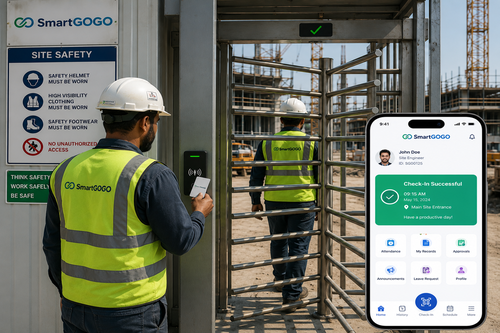
Smart Touch Technology understands the unique HR challenges facing Malaysian businesses. The smartgogo apps platform is designed to streamline HR operations and help organisations transition to modern, efficient people management practices.
With smartgogo apps, businesses can access a comprehensive HR management solution that brings together employee data, payroll processing, leave management, and reporting capabilities in a single, user-friendly platform. The system is built to support Malaysian business requirements and helps organisations improve operational efficiency, ensure compliance, and enhance employee experience.
Interested in this product? Click here to learn more: https://www.smartouch.com.my/smartgogo/
Preparing Your Business For The Future Of Work
As the business landscape continues to evolve, the question is no longer whether your organisation needs a smart HR system, but when. By 2027, smart HR systems will likely be the standard rather than the exception, and organisations still relying on manual processes will face significant competitive disadvantages.
The time to act is now. By evaluating your current HR processes, identifying pain points, and selecting an appropriate system, you can position your business for success in the future of work. Whether you’re a small business looking to streamline operations or a larger organisation managing complex HR requirements, a smart HR system can deliver measurable improvements in efficiency, compliance, and employee satisfaction.
Conclusion
The future of work is digital, data-driven, and employee-centric. Smart HR systems are no longer luxury investments—they are essential tools for businesses that want to remain competitive and attract top talent. By 2027, organisations that have successfully implemented smart HR systems will have significant advantages in terms of operational efficiency, compliance, and employee engagement.
The transition may seem challenging, but the long-term benefits far outweigh the initial investment. Whether you’re just beginning to explore HR technology or ready to implement a comprehensive solution, the time to move forward is now. Start by assessing your current processes, identifying your unique requirements, and exploring solutions that align with your organisational goals and Malaysian business needs.
Smart Touch Technology Pte Ltd
Singapore: www.smartouch.com.sg | +65-63964767 | sales@smartouch.com.sg
Malaysia: www.smartouch.com.my | +607-3889903 | sales@smartouch.com.my