Legal Visitor Data Tracking in Malaysia: A Complete Guide for Businesses
In an increasingly digital world, businesses across Malaysia are collecting vast amounts of visitor and customer data every single day. Whether through websites, physical locations, or mobile applications, organisations gather information about who visits their premises, how long they stay, and what they engage with. However, many business leaders remain uncertain about the legal requirements surrounding visitor data tracking in Malaysia.
Understanding the legal framework for visitor data tracking is not merely a compliance exercise—it is a critical business responsibility. Improper handling of visitor information can expose organisations to regulatory penalties, reputational damage, and loss of customer trust. Conversely, implementing proper tracking practices positions your business as trustworthy and professional.
This guide explores the key considerations for legal visitor data tracking in Malaysia, helping you understand your obligations and implement effective solutions.
Understanding Visitor Data Tracking
Visitor data tracking refers to the collection, storage, and analysis of information about individuals who visit your business location, website, or use your services. This data might include names, contact details, visit timestamps, location information, and behavioural patterns.
In the Malaysian business context, visitor tracking serves several important purposes:
- Security and safety management at physical premises
- Understanding customer behaviour and preferences
- Improving visitor experience and service delivery
- Compliance with security and occupancy regulations
- Enhancing marketing and business intelligence efforts
However, collecting this data introduces significant legal and ethical responsibilities that Malaysian businesses must carefully manage.
The Legal Framework for Data Protection in Malaysia
Malaysia’s primary legislation governing personal data protection is the Personal Data Protection Act 2010 (PDPA). This Act establishes the legal requirements for how organisations must collect, store, use, and protect personal data, including visitor information.
Under the PDPA, businesses must comply with several key principles when tracking visitor data:
- Consent and Notice: Visitors must be informed that their data is being collected and must provide consent where required
- Purpose Limitation: Data collected for visitor tracking must only be used for legitimate purposes
- Data Quality: Information must be accurate, complete, and kept up to date
- Security: Appropriate safeguards must protect visitor data from unauthorised access or misuse
- Openness: Businesses must be transparent about their data collection practices
For the most current and authoritative information on Malaysia’s data protection requirements, businesses should consult the Personal Data Protection Act 2010 and refer to guidance from the relevant regulatory authorities. Data protection laws and interpretations can evolve, so it is advisable to verify the latest requirements from official sources before implementing new tracking systems.
Why Visitor Data Tracking Matters to Malaysian Businesses
Security and Risk Management
Tracking who enters and exits your premises helps maintain building security and enables rapid response during emergencies. In Malaysia’s commercial environments, proper visitor management is essential for protecting employees, assets, and other visitors.
Operational Efficiency
Data-driven insights about visitor patterns help businesses optimise staffing, facility management, and resource allocation. Understanding peak visit times and visitor flows allows better planning and improved customer service.
Customer Experience Enhancement
When used ethically and legally, visitor data helps businesses personalise services, anticipate customer needs, and create more welcoming experiences. This builds loyalty and strengthens customer relationships.
Regulatory Compliance
Certain industries in Malaysia, such as banking, healthcare, and hospitality, face specific regulatory requirements for visitor management and data security. Proper tracking practices help meet these obligations.
Common Legal Challenges in Visitor Data Tracking
Many Malaysian businesses struggle with visitor data tracking compliance for several reasons:
- Lack of Clarity on Consent: Organisations often remain unsure about when and how to obtain visitor consent
- Inadequate Data Security: Poor systems leave visitor information vulnerable to breaches
- Unclear Data Retention Policies: Businesses may not have clear guidelines on how long to retain visitor data
- Limited Transparency: Visitors may not be adequately informed about data collection practices
- Insufficient Access Controls: Without proper systems, unauthorised employees may access sensitive visitor information
- Manual Record-Keeping: Paper-based systems are difficult to manage, update, and secure
These challenges often arise from relying on outdated manual processes or generic systems that do not address Malaysia-specific compliance requirements.
Best Practices for Legal Visitor Data Tracking
Obtain Clear Consent
Before collecting visitor data, inform visitors clearly about what information you are collecting and why. Display notices at entry points explaining your data collection practices. Where required by law or best practice, obtain explicit written consent.
Implement Data Security Measures
Protect visitor information through:
- Secure digital storage with access controls and encryption
- Regular security audits and updates
- Limited employee access to visitor data on a need-to-know basis
- Incident response procedures for potential data breaches
Establish Clear Data Retention Policies
Document how long you retain visitor data and establish a schedule for securely deleting information that is no longer needed. This reduces security risks and demonstrates compliance with data protection principles.
Maintain Transparency
Be open about your data practices. Provide visitors with information about how their data will be used, who can access it, and how long it will be retained. Make it easy for visitors to understand and exercise their rights.
Train Your Team
Ensure employees who handle visitor data understand data protection obligations and your organisation’s policies. Regular training helps prevent accidental breaches and maintains a culture of data responsibility.
Use Appropriate Technology
Move away from manual paper-based systems towards secure digital solutions that can enforce compliance, control access, and maintain audit trails. Technology can significantly reduce compliance risks and improve efficiency.
How Smart Touch Technology Can Help
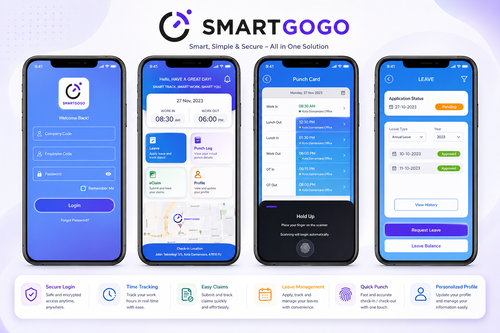
Smart Touch Technology’s SmartGoGo Apps provide Malaysian businesses with a professional, integrated solution for visitor data tracking and management. The platform is designed to help organisations collect, manage, and protect visitor information while maintaining compliance with data protection requirements.
SmartGoGo Apps enables businesses to:
- Streamline visitor check-in and registration processes
- Maintain secure digital records of visitor information
- Display clear notices about data collection and obtain necessary consents
- Control who can access visitor data within your organisation
- Generate reports and insights from visitor data for operational improvements
- Implement consistent data security practices across your business
By replacing manual, paper-based systems with a dedicated visitor management solution, Malaysian businesses can reduce compliance risks, improve operational efficiency, and demonstrate their commitment to protecting visitor privacy and data security.
Interested in this product? Click here to learn more about SmartGoGo Apps and discover how it can transform your visitor data tracking practices.
Conclusion
Legal visitor data tracking is not a burden—it is a responsibility that, when properly managed, strengthens your business operations and builds trust with your customers and visitors. By understanding Malaysia’s data protection requirements, implementing best practices, and using appropriate technology solutions, your organisation can confidently collect and use visitor data while maintaining the highest standards of privacy and security.
The key to successful visitor data tracking lies in combining clear policies, employee training, secure technology, and ongoing commitment to compliance. As Malaysian businesses increasingly operate in digital and hybrid environments, investing in proper visitor management systems has become essential for modern operations.
Whether you are just beginning to formalise your visitor tracking practices or seeking to improve an existing system, the time to act is now. Protect your visitors, protect your business, and build a reputation for responsible data handling that sets you apart in the Malaysian market.
Smart Touch Technology Pte Ltd
Singapore: www.smartouch.com.sg | +65-63964767 | sales@smartouch.com.sg
Malaysia: www.smartouch.com.my | +607-3889903 | sales@smartouch.com.my