Common Pitfalls To Avoid When Registering Migrant Workers For Social Security In Malaysia
Employing migrant workers is a common practice across Malaysia’s various industries, from manufacturing and construction to hospitality and domestic work. However, registering these workers for social security involves navigating a complex web of regulations, documentation requirements, and procedural steps. Many employers make costly mistakes during this process that can result in penalties, legal complications, and operational disruptions.
Understanding the common pitfalls associated with registering migrant workers for social security in Malaysia is essential for employers who want to remain compliant, protect their workforce, and maintain smooth business operations. This guide highlights the most frequent errors and provides practical advice on how to avoid them.
Why Migrant Worker Social Security Registration Matters
Social security registration for migrant workers is not just a legal requirement—it’s a fundamental aspect of responsible employment practices. Proper registration ensures that workers have access to essential protections, including healthcare benefits, injury compensation, and pension contributions. For employers, it demonstrates commitment to regulatory compliance and reduces exposure to significant financial and reputational risks.
In Malaysia, migrant workers must be registered with the relevant social security bodies. Failure to do so can result in substantial fines, work permit cancellations, and potential legal action against the employer. Despite the importance of this process, many businesses struggle with the requirements, leading to avoidable errors.
Common Pitfalls When Registering Migrant Workers For Social Security
1. Incomplete or Incorrect Documentation
One of the most frequent mistakes employers make is submitting incomplete or inaccurate documentation during the registration process. Migrant worker social security registration requires a substantial amount of paperwork, including valid passports, work permits, employment contracts, and identification documents. If any of these documents are missing, expired, or contain errors, the registration application can be rejected or delayed.
Many employers fail to verify that all documents are current before submission. Passports and work permits may have expiration dates that employers overlook, leading to registration rejections that could have been prevented with simple document verification checks.
2. Missing or Delayed Initial Registration
Some employers assume that social security registration can be completed at their own convenience, without realising that there are specific timeframes for registration. Workers must be registered within a defined period of their employment commencement. Delaying registration beyond this window can complicate the process, incur additional costs, and result in retroactive payment obligations.
Treating registration as a low-priority administrative task rather than an urgent compliance requirement is a significant pitfall that many businesses encounter.
3. Misunderstanding Eligibility Requirements
Not all migrant workers fall under the same social security scheme. Eligibility varies based on factors such as the nature of employment, the worker’s classification, and their country of origin. Some employers mistakenly believe that all their migrant workers should be registered under the same scheme, when in reality different workers may have different registration requirements.
Understanding whether a worker qualifies for contributions under the Employment Provident Fund (EPF), the Social Security Organisation (SOCSO), or other schemes is crucial. Misclassifying workers can lead to incorrect contributions and potential disputes with authorities.
4. Neglecting to Update Registration Details
Social security registration is not a one-time task. Changes in employment status, salary, work location, or personal details must be updated with the relevant authorities. Many employers fail to notify social security bodies when these changes occur, resulting in inaccurate records and potential compliance issues.
For example, if a migrant worker receives a salary increase, the employer must update the contribution amounts. Failure to do so can result in underpayment of contributions and regulatory scrutiny.
5. Inadequate Record Keeping
Proper documentation and record keeping are essential for demonstrating compliance. Some employers fail to maintain detailed records of when registration was submitted, what documents were provided, confirmation numbers from authorities, and proof of contribution payments. Without these records, employers struggle to defend themselves if questioned by authorities or if disputes arise.
Digital record management systems that systematically track all registration documents, communications, and payment confirmations can help prevent this pitfall.
6. Confusing Contribution Rates and Payment Deadlines
Social security contributions involve specific rates and payment deadlines that vary depending on the scheme and the worker’s classification. Employers who misunderstand these rates or miss payment deadlines face penalties and compound interest charges. Some employers fail to distinguish between their contribution obligations and the worker’s portion, leading to incorrect payment amounts.
Maintaining a clear understanding of the contribution structure and establishing a systematic payment schedule is essential to avoid this common mistake.
7. Overlooking Work Permit and Immigration Coordination
Social security registration is closely linked to work permits and immigration requirements. Some employers register workers for social security without ensuring that all immigration and work permit requirements are in place. This can create inconsistencies between records held by different government agencies, complicating the registration process and creating future compliance problems.
Coordinating between immigration authorities, labour departments, and social security bodies ensures that all registrations are aligned and compliant with multiple regulatory requirements.
Best Practices for Successful Registration
To avoid these pitfalls, employers should implement systematic processes for social security registration. Key best practices include:
- Establish a pre-registration checklist to verify all required documents are complete, accurate, and current before submission
- Assign clear responsibility to a dedicated person or department for managing social security registrations and deadlines
- Create a timeline that ensures registration is completed well within required timeframes
- Maintain a centralised database or filing system that tracks all registration documents, confirmation receipts, and contribution payments
- Regularly review social security records to ensure all worker information, salary details, and contributions are accurate and up to date
- Establish a systematic contribution payment process to prevent missed or late payments
- Ensure coordination between human resources, finance, immigration, and administration teams to maintain consistency across all regulatory requirements
- Consider consulting with employment law specialists or human resources consultants who have expertise in migrant worker regulations
Understanding Your Obligations
Employers in Malaysia should be aware that social security registration requirements may be subject to change. Different states and different employment categories may have specific requirements that affect how registration should be handled. It is recommended that employers check the latest guidelines and requirements from the relevant authorities, such as the Department of Labour Malaysia, the Social Security Organisation (SOCSO), and the Employees Provident Fund (EPF), to ensure their registration processes comply with current regulations.
Many employers benefit from regularly reviewing their registration procedures and seeking updated guidance, particularly after regulatory changes or when employment circumstances change.
How Smart Touch Technology Can Help
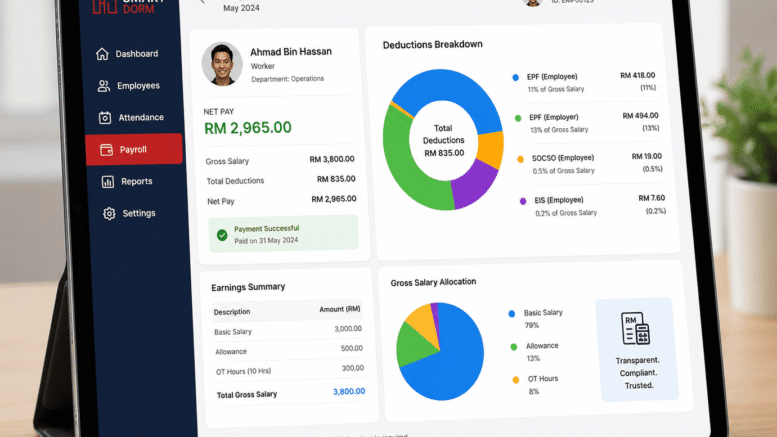
Managing social security registration for migrant workers involves coordinating multiple documents, maintaining accurate records, and tracking compliance deadlines. Smart Touch Technology provides comprehensive solutions that help businesses streamline their human resources and administrative processes. Our systems can assist with document management, record organisation, and compliance tracking, helping employers maintain the structured approach needed for successful migrant worker registration.
By implementing efficient administrative systems, businesses can reduce the likelihood of documentation errors, improve their ability to track registration details, and maintain better coordination between different departments involved in the registration process. This systematic approach minimises delays and helps ensure that all registration requirements are met accurately and on time.
Conclusion
Registering migrant workers for social security in Malaysia requires careful attention to detail, clear understanding of regulatory requirements, and systematic process management. The most common pitfalls—incomplete documentation, missed deadlines, misunderstood eligibility requirements, and inadequate record keeping—can be prevented through organised procedures and dedicated responsibility for compliance tasks.
Employers who invest time in understanding their obligations, implementing clear processes, and maintaining accurate records protect both their workers and their business from unnecessary complications. By avoiding these common pitfalls and adopting best practices, Malaysian employers can ensure that their migrant workers are properly registered for social security and that their business remains compliant with all relevant regulations.
Smart Touch Technology Pte Ltd
Singapore: www.smartouch.com.sg | +65-63964767 | sales@smartouch.com.sg
Malaysia: www.smartouch.com.my | +607-3889903 | sales@smartouch.com.my