HR Software Malaysia: How To Choose The Right HR Platform
Selecting the right HR software for your Malaysian organisation is one of the most important decisions you can make. With numerous HR platforms available in the market, finding the solution that best fits your business needs, budget, and growth objectives can feel overwhelming. Whether you’re a small business, a growing enterprise, or a large multinational corporation operating in Malaysia, investing in the right HR platform can transform how you manage your workforce, streamline operations, and drive business success.
In this guide, we’ll walk you through the key considerations for choosing HR software in Malaysia, help you understand what features matter most, and show you how to evaluate different platforms to make an informed decision.
Why Choosing The Right HR Software Matters
Human resources is the backbone of any successful organisation. Your HR team manages recruitment, payroll, benefits, compliance, performance management, and employee engagement—all critical functions that directly impact your bottom line and organisational culture.
The right HR software streamlines these processes, reduces administrative burden, improves accuracy, and provides valuable insights into your workforce. Poor HR software choices, on the other hand, can lead to inefficiencies, compliance risks, data security concerns, and frustrated employees and managers.
For Malaysian businesses, selecting HR software also means choosing a platform that understands local employment laws, tax regulations, and business practices. This is why selecting the appropriate solution is not just a nice-to-have—it’s essential for operational excellence.
Key Features To Look For In HR Software
Before you start evaluating specific HR software options, it helps to understand what core features you need. Different organisations prioritise different features based on their size, industry, and strategic goals.
Employee Management And Self-Service
Modern HR software should provide centralised employee records, making it easy to store, update, and access employee information. Self-service portals allow employees to manage their own data, apply for leave, view pay slips, and access company policies without relying on HR staff for routine tasks. This reduces administrative work and improves employee satisfaction.
Payroll And Compliance
Payroll is a critical HR function in Malaysia. Your HR software must accurately calculate salaries, handle deductions, manage statutory contributions, and generate compliant payslips. The platform should stay current with Malaysian tax regulations, Social Security Organisation (SOCSO) requirements, and other legal obligations. Any errors in payroll can create serious compliance issues and damage employee trust.
Leave And Attendance Management
Tracking employee leave and attendance manually is time-consuming and error-prone. Good HR software automates leave requests, approvals, and balance tracking. It should handle different types of leave (annual leave, sick leave, maternity leave, etc.) and ensure compliance with Malaysian labour law. Digital attendance tracking also provides visibility into workforce presence and productivity patterns.
Recruitment And Onboarding
If your organisation hires regularly, HR software with recruitment features can streamline the hiring process. Look for features like job posting, application management, candidate tracking, interview scheduling, and automated offer letters. Integrated onboarding workflows help new employees integrate smoothly into your organisation, improving retention and engagement from day one.
Performance Management
Performance management features help you set goals, provide feedback, conduct appraisals, and identify development opportunities. These capabilities align employee efforts with organisational objectives and support career development conversations between managers and staff.
Reporting And Analytics
Data-driven HR decisions require robust reporting and analytics. Look for HR software that provides dashboards, custom reports, and insights into key metrics like turnover rates, headcount trends, recruitment pipeline status, and compensation analysis. These insights help you make strategic workforce decisions.
Evaluating HR Software: Questions To Ask
As you evaluate different HR software platforms, use these key questions to guide your assessment:
- Does it meet Malaysian compliance requirements? Verify that the software handles local tax regulations, statutory deductions, and labour law requirements accurately.
- Is it scalable? Can the platform grow with your organisation, or will you need to switch systems as you expand?
- What’s the total cost of ownership? Consider not just software licensing fees, but implementation costs, training, customisation, and ongoing support.
- Is it user-friendly? Will your HR team, managers, and employees find it intuitive and easy to use, or will extensive training be required?
- What integrations does it offer? Can it connect with your accounting software, banking systems, or other business applications you currently use?
- What customer support is provided? Do you get local support in Malaysia, and are support response times acceptable for your needs?
- How secure is employee data? What security measures, certifications, and data protection protocols does the vendor have in place?
- Is it cloud-based or on-premise? Cloud solutions offer flexibility and accessibility; on-premise solutions offer more control. Which suits your IT infrastructure and preferences?
- Can you access demos or free trials? Testing the software before purchase significantly reduces the risk of a poor decision.
Common Challenges When Implementing HR Software
Even the best HR software requires proper implementation and change management. Be aware of these common challenges:
User Adoption
Employees and managers may resist new systems if they’re not properly trained or if the transition disrupts their workflow. Invest in comprehensive training and clear communication about why the new system benefits everyone.
Data Migration
Transferring existing employee data from legacy systems or spreadsheets to new software must be done accurately. Poor data migration can create ongoing issues with reporting, payroll, and compliance.
Customisation vs. Standard Features
While customisation can make software fit your processes perfectly, excessive customisation increases costs, implementation time, and future maintenance challenges. Often, it’s better to align your processes with the software’s standard features rather than the other way around.
Integration Challenges
Ensuring your HR software integrates smoothly with existing business systems requires careful planning and often technical expertise.
HR Software Considerations Specific To Malaysia
Malaysian organisations face specific HR requirements that general global HR software may not address adequately:
- Statutory Contributions: The software must correctly calculate and handle SOCSO, Employment Insurance System (EIS), and other mandatory contributions.
- Tax Compliance: Malaysian income tax regulations, tax relief calculations, and tax filing deadlines must be accurately reflected in the system.
- Leave Entitlements: Malaysian labour law specifies minimum annual leave, sick leave, and other entitlements that the software must handle correctly.
- Contract Laws: The platform should support employment contracts that comply with Malaysian contract law and best practices.
- Language Support: Consider whether the software supports Malay language alongside English, which may be important for your workforce.
- Local Vendor Support: Having a vendor with local presence in Malaysia ensures you get timely support and understand local business context.
How Smart Touch Technology Can Help
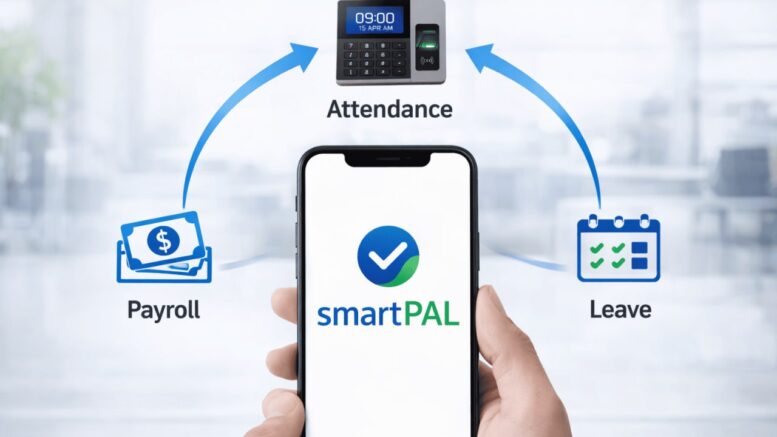
If you’re searching for HR software in Malaysia, Smart Touch Technology’s smart PAL platform is designed specifically to meet the needs of Malaysian organisations. Smart PAL offers comprehensive HR capabilities including employee management, payroll, leave and attendance tracking, and compliance features built with Malaysian requirements in mind.
Smart Touch Technology understands the Malaysian business environment and has developed smart PAL to address the specific HR challenges faced by local organisations. The platform combines essential HR functions with a focus on ease of use, local compliance, and scalability for businesses of all sizes.
See full product details here: https://www.smartouch.com.my/smartpal/
Conclusion
Choosing the right HR software is a significant decision that affects your entire organisation. Take time to assess your current needs, evaluate your options thoroughly, and consider both immediate requirements and future growth. Prioritise platforms that understand Malaysian business requirements and compliance obligations, offer good user experience, provide reliable support, and fit within your budget.
The right HR software will free your HR team to focus on strategic initiatives rather than administrative tasks, improve data accuracy and compliance, enhance employee experience, and provide insights that support better business decisions. By following the guidance in this article and carefully evaluating your options, you can find an HR platform that truly serves your organisation’s needs and supports your success in Malaysia’s competitive business environment.
Smart Touch Technology Pte Ltd
Singapore: www.smartouch.com.sg | +65-63964767 | sales@smartouch.com.sg
Malaysia: www.smartouch.com.my | +607-3889903 | sales@smartouch.com.my