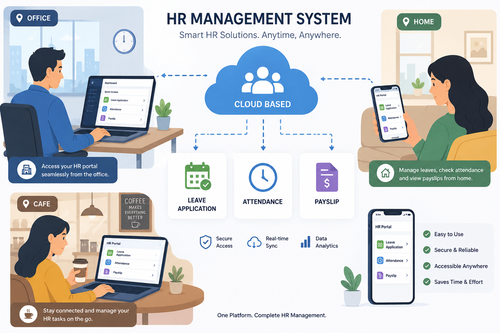
SmartPay: Payroll Statutory Deduction Automation For Growing Companies
Managing payroll in Malaysia requires more than just calculating salaries and issuing paycheques. Growing companies must navigate a complex landscape of statutory deductions, including contributions to the Employees Provident Fund (EPF), Social Security Organisation (SOCSO), and other mandatory obligations. For many businesses, particularly those expanding rapidly, manual payroll processing creates inefficiencies, compliance risks, and administrative burden.
Payroll statutory deduction automation has become essential for companies that want to streamline their operations, reduce errors, and maintain compliance with Malaysian employment regulations. This article explores how automation transforms payroll management and why it matters for your growing business.
Understanding Payroll Statutory Deductions in Malaysia
Statutory deductions are compulsory deductions from an employee’s salary that employers are required by law to withhold and remit to the appropriate authorities. In Malaysia, these typically include:
- Employees Provident Fund (EPF) contributions
- Social Security Organisation (SOCSO) contributions
- Income tax withholding
- Employment Insurance System (EIS) contributions
- Real Property Gains Tax (RPGT) where applicable
Each deduction has specific rates, thresholds, and calculation rules that change periodically. Employers must calculate these correctly for each employee, track them accurately, and remit them to the relevant authorities on time. For growing companies managing dozens or hundreds of employees, this complexity multiplies quickly.
The Challenges of Manual Payroll Processing
When companies rely on manual payroll processes, several problems emerge:
Time Consumption
Calculating statutory deductions manually for multiple employees is labour-intensive. HR and finance teams spend considerable time on spreadsheets, calculations, and verifications that could be redirected toward strategic activities.
Error Vulnerability
Manual calculations are prone to human error. A single mistake in deduction rates or employee details can cascade across multiple records, affecting payroll accuracy and employee trust. Correcting errors after payroll processing adds additional work and creates confusion.
Compliance Risks
Payroll regulations change regularly. Staying current with updated contribution rates, thresholds, and filing requirements is challenging without proper systems. Non-compliance can result in penalties, legal issues, and damage to your company’s reputation.
Inconsistency
Without standardised processes, deductions may be calculated differently for different employees or in different pay periods, leading to inconsistencies that are difficult to audit and reconcile.
Scalability Issues
As your company grows and hires more employees, manual payroll processes become increasingly difficult to manage. What worked for 10 employees quickly becomes unmanageable for 50 or 100.
Why Payroll Statutory Deduction Automation Matters
Automation addresses these challenges by systematising the entire deduction process. When properly implemented, automated payroll systems handle calculations consistently, update regulatory rates automatically, and generate accurate records for compliance and auditing.
Accuracy and Consistency
Automated systems apply the same rules uniformly across all employees, eliminating calculation variations and reducing errors. This consistency makes payroll more reliable and trustworthy.
Time and Cost Efficiency
By removing manual calculation and data entry, automation frees your HR and finance teams to focus on employee relations, strategic planning, and other high-value activities. The time saved translates directly into cost savings.
Regulatory Compliance
Modern payroll automation systems update automatically when statutory rates and regulations change. This ensures your company remains compliant with current Malaysian employment and tax requirements without requiring manual updates.
Scalability
Automated systems handle payroll processing seamlessly whether you have 20 employees or 200. Growth no longer means proportional increases in payroll administration complexity.
Better Record Keeping
Automated systems maintain detailed, auditable records of all deductions and calculations. This documentation is invaluable for compliance verification, employee inquiries, and regulatory audits.
Key Features to Look for in Payroll Automation Solutions
Not all payroll systems are equal. When evaluating options, consider these important features:
- Local Compliance: The system should be configured for Malaysian statutory requirements and update automatically when regulations change.
- Flexible Deduction Rules: The ability to configure and customise deduction calculations for different employee types and situations.
- Integration Capabilities: Seamless integration with your existing HR, accounting, and banking systems reduces manual data transfer.
- Reporting and Analytics: Comprehensive reports on deductions, contributions, and compliance for management and regulatory purposes.
- Employee Self-Service: Employees should be able to view their payslips and deduction details online, reducing HR inquiries.
- Audit Trail: Complete audit trails showing all calculations, changes, and approvals for compliance verification.
- User-Friendly Interface: The system should be intuitive enough that your team can use it effectively without extensive training.
Best Practices for Implementing Payroll Automation
Successfully implementing a payroll automation system requires careful planning:
Audit Your Current Process
Before implementing new software, understand your existing payroll workflows, deduction types, and pain points. This information helps you select a solution that addresses your specific needs.
Choose the Right System
Evaluate options based on your company size, industry, complexity of payroll needs, and budget. Consider systems specifically designed for Malaysian businesses that understand local regulations.
Data Migration and Preparation
Ensure all employee records and historical payroll data are clean, accurate, and properly formatted for the new system. Poor data quality during migration causes ongoing problems.
Testing and Validation
Run parallel payroll cycles where both your old and new systems process payroll simultaneously. Compare results to ensure accuracy before fully transitioning to automation.
Training and Support
Ensure your HR and finance team receives adequate training on the new system. Good vendor support is essential, particularly during the initial implementation phase.
Ongoing Monitoring
After implementation, regularly review payroll reports and deduction calculations to ensure the system continues to function correctly and complies with current regulations.
How Smart Touch Technology Can Help
Smart Touch Technology offers SmartPay, a comprehensive payroll solution designed specifically for growing companies in Malaysia. SmartPay automates the entire payroll statutory deduction process, handling EPF, SOCSO, income tax withholding, and other mandatory deductions with accuracy and consistency.
By implementing SmartPay, growing companies can streamline their payroll operations, ensure compliance with Malaysian regulations, reduce administrative overhead, and scale their payroll processes efficiently as they grow. The system is built to understand the complexities of Malaysian employment requirements, allowing your team to focus on what matters most to your business.
If you’re looking to modernise your payroll processes and eliminate the inefficiencies of manual deduction management, SmartPay provides a proven, reliable solution tailored for Malaysian businesses.
Conclusion
Payroll statutory deduction automation is no longer a luxury for large enterprises—it’s a practical necessity for growing companies in Malaysia. The complexity of Malaysian payroll regulations, combined with the challenges of manual processing, makes automation an investment that pays dividends in accuracy, compliance, efficiency, and peace of mind.
By automating your payroll deductions, you protect your company from compliance risks, reduce administrative burden, and create a foundation that supports sustainable growth. As your company expands, your payroll system should grow with you seamlessly.
If you’re ready to explore how payroll automation can benefit your growing company, contact Smart Touch Technology to learn more about SmartPay and how it can transform your payroll operations.
Smart Touch Technology Pte Ltd
Singapore: www.smartouch.com.sg | +65-63964767 | sales@smartouch.com.sg
Malaysia: www.smartouch.com.my | +607-3889903 | sales@smartouch.com.my