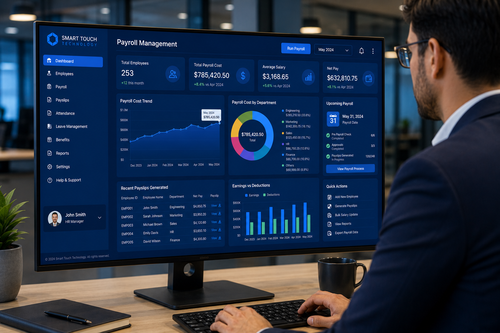
Payslip System: Digital E-Payslip Software Implementation Best Practices
In today’s fast-paced business environment, managing payroll manually is no longer practical for most Malaysian organisations. A digital e-payslip system has become essential for companies of all sizes looking to streamline their payroll processes, improve accuracy, and enhance employee satisfaction. Whether you operate a small business or manage a large workforce, implementing an effective payslip system can significantly reduce administrative burden while ensuring compliance with Malaysian employment regulations.
This article explores the key best practices for implementing a digital e-payslip system in your organisation, helping you understand what it takes to successfully transition from paper-based payroll to a modern, efficient digital solution.
Understanding the Digital E-Payslip System
A digital e-payslip system is software that automates the generation, calculation, and distribution of employee payslips in electronic format. Rather than printing and physically distributing payslips, organisations can deliver them instantly to employees through digital channels such as email or a secure employee portal.
This modern approach offers several advantages over traditional paper-based methods, including reduced printing and distribution costs, faster payslip delivery, improved data security, and easier record-keeping for both employers and employees.
Why Malaysian Businesses Need Digital E-Payslip Solutions
Malaysian employers face increasing expectations to modernise their HR and payroll operations. The shift towards digital transformation in the workplace is not merely a trend—it reflects practical business needs and employee expectations.
Key reasons why organisations in Malaysia should consider implementing a payslip system include:
- Compliance with record-keeping requirements: Maintaining accurate payroll records is essential for Malaysian employment law compliance. Digital systems provide audit trails and secure storage.
- Cost reduction: Eliminating paper, printing, and manual distribution saves operational expenses.
- Improved accuracy: Automated calculations reduce human error in payroll processing.
- Enhanced employee experience: Employees can access their payslips anytime, anywhere, improving transparency and trust.
- Time efficiency: HR and payroll teams can focus on strategic tasks rather than administrative work.
- Better data security: Digital systems protect sensitive payroll information through encryption and access controls.
Best Practices for Implementing a Payslip System
1. Assess Your Current Payroll Process
Before selecting and implementing a digital e-payslip system, take time to evaluate your existing payroll operations. Understand current workflows, pain points, and specific requirements of your organisation. This assessment helps you identify what features and capabilities you need in a new system.
Consider factors such as the size of your workforce, payroll frequency, complexity of salary structures, deductions, and any custom reporting requirements your business may have.
2. Set Clear Implementation Goals
Define what you want to achieve with your new payslip system. Goals might include reducing payroll processing time, eliminating printing costs, improving employee self-service capabilities, or enhancing data security. Clear objectives help guide your selection process and measure success after implementation.
3. Choose the Right Software Solution
Selecting appropriate payslip system software is crucial for successful implementation. Look for solutions that:
- Comply with Malaysian employment and tax regulations
- Integrate seamlessly with your existing HR or accounting systems
- Offer user-friendly interfaces for both administrators and employees
- Provide robust security features to protect sensitive data
- Include reliable customer support and regular updates
- Scale with your organisational growth
4. Plan Your Migration Strategy
Transitioning to a new payslip system requires careful planning. Develop a detailed migration strategy that includes timelines, data transfer procedures, and contingency plans. Decide whether to migrate all historical data or start fresh from a specific date, ensuring compliance with record-keeping requirements.
Test the system thoroughly with sample data before going live with actual employee information. This testing phase helps identify and resolve issues before they affect your workforce.
5. Train Your Team Thoroughly
Successful implementation depends on your team’s ability to use the new system effectively. Provide comprehensive training to payroll staff, HR personnel, and managers who will interact with the system. Training should cover system navigation, payslip generation, employee portal access, troubleshooting common issues, and data security protocols.
Consider developing training materials such as user guides and quick-reference documents that employees can access when needed.
6. Communicate with Your Employees
Keep employees informed about the transition to digital e-payslips. Explain the benefits, how to access their payslips, and what to expect during the transition period. Clear communication reduces confusion and encourages adoption of the new system.
Provide employees with step-by-step instructions for accessing their payslips and retrieving past records. Address any concerns about data privacy and explain the security measures protecting their information.
7. Ensure Data Security and Compliance
Digital payslip systems handle highly sensitive employee financial information. Implement robust security measures including encrypted data transmission, secure access controls, regular backups, and compliance with data protection regulations. Ensure that only authorised personnel can access payroll data.
For current information about data protection requirements in Malaysia, consult the relevant official authorities to ensure your implementation meets all applicable legal obligations.
8. Monitor and Optimise Performance
After implementation, monitor system performance and gather feedback from users. Track metrics such as payslip generation time, employee portal usage, and error rates. Use this information to optimise workflows and address any ongoing challenges.
Schedule regular system maintenance and stay updated with software updates to ensure continued reliability and security.
Common Challenges and Solutions
Implementation of a digital payslip system isn’t always smooth. Understanding common challenges helps you prepare and address them proactively.
Challenge: Employee resistance to change
Solution: Provide clear communication, training, and support. Highlight benefits such as instant access to payslips and improved security. Address concerns about data privacy with concrete information about security measures.
Challenge: Data migration issues
Solution: Plan migration carefully with thorough testing. Use automated data validation tools to ensure accuracy. Keep backup copies of legacy data during the transition period.
Challenge: Technical integration problems
Solution: Work with your software provider to ensure seamless integration with existing systems. Allocate time for testing different integration scenarios before full deployment.
Challenge: Compliance concerns
Solution: Choose a system designed to meet Malaysian employment requirements. Stay informed about regulatory changes and ensure your system updates accordingly. Maintain proper documentation and audit trails.
How Smart Touch Technology Can Help
Smart Touch Technology offers a comprehensive payslip system designed to simplify payroll management for Malaysian organisations. Our digital e-payslip software streamlines payslip generation, distribution, and employee access, helping you implement best practices effectively.
By choosing Smart Touch Technology’s payslip system, you gain access to a solution that understands the specific needs of Malaysian businesses. The system supports efficient payroll processing while maintaining the security and compliance standards your organisation requires.
Discover the product features here: http://www.smartouch.com.my/payslip-template/
Conclusion
Implementing a digital e-payslip system is a strategic investment that brings tangible benefits to Malaysian organisations. By following best practices—including careful planning, thorough testing, comprehensive training, and ongoing optimisation—you can ensure a successful transition that improves efficiency, enhances employee satisfaction, and strengthens compliance.
The key to successful implementation lies in understanding your organisation’s unique needs, selecting appropriate software, engaging your team, and maintaining focus on clear implementation goals. With proper preparation and the right solution in place, your organisation can enjoy the full benefits of modern payroll management while reducing operational burden on your HR team.
Smart Touch Technology Pte Ltd
Singapore: www.smartouch.com.sg | +65-63964767 | sales@smartouch.com.sg
Malaysia: www.smartouch.com.my | +607-3889903 | sales@smartouch.com.my