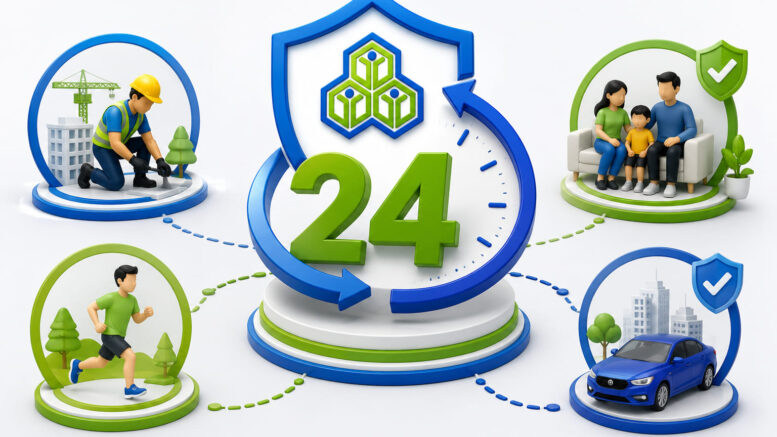
Smartouch HR Solutions: Malaysian HR Compliance Guide For Modern HR Teams
Managing human resources in Malaysia requires more than just hiring and payroll processing. Modern HR teams must navigate a complex landscape of employment laws, regulatory requirements, and compliance obligations that govern everything from employment contracts to workplace safety and employee benefits. For many organisations, staying compliant while maintaining operational efficiency can feel overwhelming.
Whether you run a small business or manage a large workforce, understanding and implementing proper HR compliance practices is essential. Non-compliance can result in significant penalties, damage to your company’s reputation, and operational disruptions. This guide will help you understand the key HR compliance requirements in Malaysia and how modern HR solutions can streamline these processes for your team.
Why HR Compliance Matters in Malaysia
Malaysia’s employment landscape is governed by several key pieces of legislation, including the Employment Act 1955, the Industrial Relations Act 1967, and various other regulations covering specific industries and employment categories. Each of these laws sets out specific requirements that employers must follow.
Compliance isn’t just about avoiding legal trouble. When your HR team manages compliance effectively, you create a more transparent, fair, and professional workplace. Employees feel more secure when they know their rights are protected and their employer is operating within legal boundaries. This leads to better employee satisfaction, lower turnover, and a stronger employer brand.
For HR teams, compliance management often involves:
- Maintaining accurate employment records and documentation
- Ensuring correct calculation and payment of statutory contributions
- Managing leave entitlements and statutory holidays
- Maintaining workplace safety and health standards
- Handling disciplinary procedures according to legal requirements
- Ensuring payroll compliance with tax and social security obligations
- Keeping up with changes in employment legislation
Key HR Compliance Areas in Malaysia
Employment Contracts and Documentation
Every employment relationship should be documented with a clear, written employment contract. Malaysian employment law requires that certain terms be documented, including the nature of employment, salary, working hours, and other key conditions. Proper documentation protects both the employer and the employee by creating clarity about expectations and obligations.
Your HR team should ensure that employment contracts comply with Malaysian requirements and are consistently applied across your organisation. This documentation becomes particularly important if disputes arise.
Statutory Contributions and Payroll Compliance
Malaysian employers must manage several statutory contributions and deductions, including contributions to the Employees Provident Fund (EPF), the Social Security Organisation (SOCSO), and in some cases, the Employment Insurance Scheme (EIS). Calculating these correctly and remitting them on time is a fundamental compliance requirement.
Payroll errors in statutory calculations can result in penalties and create employee relations issues. Modern HR systems help ensure accuracy and timely submission of contributions.
Leave Entitlements
Malaysian employment law specifies minimum leave entitlements for employees, including annual leave, sick leave, and public holidays. Different employment categories may have different entitlements, and some industries have specific provisions. Tracking and managing leave correctly is essential for compliance.
Errors in leave management can lead to employee grievances and potential legal claims. HR systems that automate leave tracking help reduce these risks.
Workplace Safety and Health
The Occupational Safety and Health Act 1994 sets out requirements for maintaining a safe workplace. Organisations must implement safety policies, conduct risk assessments, and maintain proper records of incidents and corrective actions. HR teams often play a role in coordinating workplace health and safety initiatives.
Disciplinary and Grievance Procedures
Employment law in Malaysia requires that employers follow fair and transparent procedures when taking disciplinary action or handling employee grievances. Proper documentation of these processes is critical to avoid claims of unfair dismissal or wrongful termination.
HR teams must ensure that disciplinary procedures are applied consistently, documented thoroughly, and aligned with the requirements of the Employment Act.
Common HR Compliance Challenges in Malaysia
Malaysian HR teams frequently encounter several challenges when managing compliance:
- Keeping up with legislative changes: Employment laws and regulations are regularly updated. Staying informed about these changes requires ongoing attention and professional development.
- Managing multiple employment categories: Different rules may apply to different types of workers (permanent, temporary, contract workers), making compliance more complex.
- Accurate record-keeping: Manual record-keeping is prone to errors and makes audits difficult. Organisations need reliable systems to maintain compliant records.
- Calculating statutory contributions correctly: Payroll calculations involving multiple statutory contributions can be complicated and error-prone without proper systems.
- Maintaining consistency: Large organisations with multiple departments or locations face challenges in ensuring uniform HR practices across the company.
- Resource limitations: Many HR teams are stretched thin and lack the time and resources to focus on compliance alongside their other responsibilities.
Best Practices for HR Compliance in Malaysia
To build a strong compliance framework, consider implementing these best practices:
Develop Clear HR Policies
Document your HR policies covering employment, leave, conduct, health and safety, and other key areas. Ensure these policies align with Malaysian employment law and are communicated clearly to all employees. Regular policy reviews help you stay aligned with any legislative changes.
Maintain Accurate Records
Implement a systematic approach to record-keeping. Maintain complete employment files for each employee, including employment contracts, performance records, leave records, and any disciplinary or grievance documentation. Digital record-keeping systems make this easier and more reliable.
Regular Compliance Audits
Periodically review your HR processes and records to identify any compliance gaps. You might consider engaging external HR consultants or legal advisors to conduct these audits, especially if you operate in highly regulated industries.
Stay Informed About Legal Changes
Subscribe to updates from relevant authorities and industry bodies to stay informed about changes in employment law. The Ministry of Human Resources, the Department of Occupational Safety and Health, and other government agencies regularly publish updates and guidance.
Note that employment laws and regulations may change, so it is important to check the latest information from the relevant official authorities to ensure your HR practices remain current and compliant.
Provide HR Team Training
Invest in training and development for your HR team to ensure they understand current compliance requirements and best practices. Well-trained HR professionals can identify compliance risks and implement solutions proactively.
Use Integrated HR Systems
Spreadsheets and manual processes are inefficient for managing HR compliance. Integrated HR systems provide centralised record-keeping, automated calculations, audit trails, and reporting capabilities that support compliance efforts.
How Smart Touch Technology Can Help
Smart Touch Technology provides HR solutions designed to support Malaysian businesses in managing their HR operations effectively. By bringing HR processes into a unified system, modern HR solutions help reduce manual errors, improve consistency, and make compliance easier to manage and audit.
With the right HR technology platform, your HR team can focus on strategic initiatives while the system handles routine compliance tasks like leave tracking, statutory calculations, and record management. This approach reduces the administrative burden on your team and helps ensure that compliance requirements are consistently met across your organisation.
For Malaysian businesses looking to strengthen their HR compliance framework, exploring solutions that integrate payroll, leave management, and employee records can be a valuable step towards more efficient and compliant HR operations.
Conclusion
HR compliance in Malaysia is a multifaceted responsibility that requires attention to employment law, statutory contributions, leave entitlements, workplace safety, and fair employment practices. Modern HR teams must balance these compliance obligations with the need to support employee engagement and organisational growth.
By developing clear policies, maintaining accurate records, staying informed about legislative changes, and using integrated HR systems, you can build a strong compliance framework that protects your organisation and your employees. The investment in proper HR compliance practices pays dividends in reduced risk, improved employee relations, and smoother HR operations.
If you would like to explore how integrated HR solutions can help your Malaysian organisation manage compliance more effectively, contact Smart Touch Technology to discuss your specific needs and requirements.
Smart Touch Technology Pte Ltd
Singapore: www.smartouch.com.sg | +65-63964767 | sales@smartouch.com.sg
Malaysia: www.smartouch.com.my | +607-3889903 | sales@smartouch.com.my