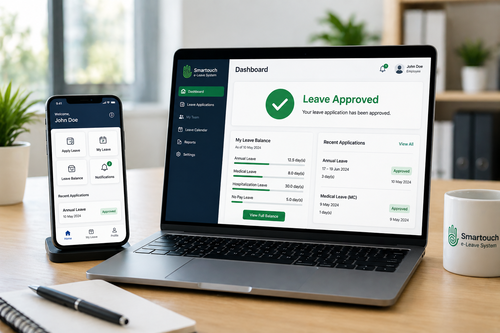
E-Leave System: Employment Act Leave Rules and How It Supports Business Growth
Managing employee leave is one of the most critical responsibilities for any Malaysian business. Whether you operate a small startup or a large organisation, ensuring compliance with the Employment Act whilst maintaining operational efficiency is a delicate balancing act. An inefficient leave management process can lead to confusion, compliance risks, and lost productivity. This is where a modern e-leave system becomes invaluable.
In Malaysia, businesses must adhere to specific leave entitlements outlined in the Employment Act 1955. Understanding these requirements and implementing a structured approach to leave management not only protects your organisation legally but also contributes directly to business growth by improving employee satisfaction, reducing administrative burden, and enabling better workforce planning.
Understanding Malaysian Employment Act Leave Rules
The Employment Act 1955 sets out the minimum leave entitlements that employers must provide to employees. These include annual leave, medical leave, sick leave, and other specific leave types depending on employment circumstances. Compliance with these regulations is not optional—it is a legal requirement.
For employees, the Employment Act stipulates that they are entitled to annual leave based on their length of service. Similarly, medical leave and other statutory leave types are protected under the law. As an employer, staying updated with these regulations and ensuring your systems reflect the correct entitlements is essential.
Key Leave Types Under Malaysian Law
Malaysian employment law recognises several types of leave that employers must manage carefully:
- Annual Leave: Employees are entitled to a minimum number of days based on their service period
- Medical Leave: Provided for medical examinations or treatment with appropriate certification
- Sick Leave: Statutory entitlement for employees unable to work due to illness
- Compassionate Leave: Granted for family emergencies or bereavement
- Maternity and Paternity Leave: Protected leave for eligible employees
- Other Statutory Leave: Public holidays and other legislated leave types
Each of these leave types has specific rules regarding approval, documentation, and entitlement. Managing them manually across spreadsheets or paper-based systems creates significant risk of errors and non-compliance.
Common Challenges in Leave Management
Many Malaysian businesses still rely on manual or fragmented leave management processes. This approach creates several predictable problems that directly impact business operations and compliance.
Administrative Burden
Processing leave requests manually consumes substantial HR resources. Staff must cross-reference employee records, calculate remaining entitlements, verify approvals, and maintain multiple documents. This time-consuming process diverts HR teams from more strategic work and increases the likelihood of errors.
Compliance Risks
Without a centralised system, tracking compliance with the Employment Act becomes extremely difficult. Incorrect leave calculations, missed documentation requirements, or failure to grant statutory entitlements can expose your organisation to legal disputes and regulatory penalties.
Employee Dissatisfaction
When leave processes are slow or unclear, employees become frustrated. Uncertainty about leave balances, delayed approval decisions, and inconsistent policies damage employee morale and retention. In a competitive job market, this can significantly impact your ability to attract and retain talent.
Operational Disruption
Without visibility into who is on leave and when, managers cannot plan effectively. This lack of advance notice about team availability leads to scheduling conflicts, rushed project planning, and reduced operational efficiency.
How an E-Leave System Addresses These Challenges
A well-implemented e-leave system transforms leave management from a manual, error-prone process into a streamlined, compliant, and transparent operation.
Automated Compliance
A robust e-leave system is built with Malaysian Employment Act requirements embedded into its rules engine. The system automatically calculates correct leave entitlements, enforces approval workflows, and maintains audit trails. This ensures that your organisation remains compliant with regulations without relying on manual oversight or staff memory.
Improved Efficiency
Automating leave requests, approvals, and record-keeping eliminates the administrative burden that consumes HR time. Employees can submit requests through a self-service portal, managers receive notifications for timely decisions, and the system updates records automatically. This streamlined workflow frees HR teams to focus on strategic initiatives that drive business value.
Real-Time Visibility
With a centralised e-leave system, managers and HR staff have instant visibility into team leave schedules, remaining entitlements, and approval statuses. This enables better workforce planning, reduces scheduling conflicts, and allows managers to make informed decisions about project timelines and resource allocation.
Enhanced Employee Experience
A user-friendly e-leave system empowers employees to manage their own leave requests, check their balances, and receive confirmation about approvals. Transparency reduces confusion, faster processing improves satisfaction, and self-service access means employees are not dependent on HR staff for routine queries. This positive experience contributes to higher employee engagement and retention.
Accurate Record Keeping
Digital records are automatically maintained, time-stamped, and securely stored. This creates a reliable audit trail that protects your organisation in case of disputes and simplifies compliance verification during regulatory inspections.
Benefits for Business Growth
Beyond compliance and efficiency, an e-leave system directly supports business growth by addressing workforce management challenges that impact profitability and competitiveness.
When leave management is efficient and transparent, employee satisfaction improves. Employees who feel their leave is managed fairly and efficiently are more likely to remain with the organisation, reducing costly turnover and maintaining team continuity. This stability is particularly important during periods of growth when retaining experienced staff is critical.
Accurate leave data enables better capacity planning. Management can forecast team availability, allocate resources strategically, and schedule critical projects with confidence. This improved planning reduces project delays and inefficiencies caused by unexpected absences or leave coordination problems.
By reducing administrative tasks, HR teams can redirect effort toward talent development, engagement initiatives, and strategic planning. These higher-value activities contribute more directly to business objectives than processing leave forms.
Compliance is a foundation for growth. Organisations that are exposed to regulatory risk face potential penalties, legal disputes, and reputational damage. A compliant leave management system eliminates this drag on business performance and allows leadership to focus energy on growth opportunities.
Implementing an E-Leave System Successfully
Introducing a new leave management system requires thoughtful planning and stakeholder engagement to ensure adoption and success.
Assess Your Current Needs
Before selecting a system, understand your organisation’s specific requirements. How many employees do you have? What leave types do you currently manage? What compliance challenges are you facing? This assessment guides your selection process and ensures the system you choose addresses your actual pain points.
Choose a System Built for Malaysia
Select an e-leave system designed with Malaysian employment law and business practices in mind. A system built for the Malaysian context will reflect your regulatory requirements, support local payment calendars and public holidays, and communicate in terms familiar to your team.
Plan Your Implementation
Successful implementation requires planning. Prepare your data, communicate the change to employees and managers, provide training, and designate clear support contacts. A phased implementation approach often reduces disruption and allows your team to build confidence with the system gradually.
Communicate the Benefits
Help employees and managers understand how the new system benefits them. Emphasise reduced processing times, self-service convenience, improved accuracy, and better visibility. Clear communication reduces resistance and encourages adoption.
How Smart Touch Technology Can Help
Smart Touch Technology provides an e-leave system designed specifically for Malaysian businesses. The system is built to support compliance with Malaysian employment regulations whilst streamlining your leave management processes and improving the experience for both employees and managers.
Our e-leave system enables organisations to automate leave requests, approvals, and record-keeping whilst maintaining full compliance with local requirements. The solution provides managers with visibility into team availability, allows employees to manage their leave independently through a self-service portal, and gives HR teams the tools they need to maintain accurate records and generate compliance reports.
For a complete breakdown of features and modules, visit our product page here: https://www.smartouch.com.my/e-leave-system/.
Conclusion
Managing employee leave effectively is a fundamental responsibility that directly impacts compliance, efficiency, and business growth. Manual leave management processes expose organisations to compliance risks, waste HR resources, and create frustration for employees and managers alike. An e-leave system addresses these challenges by automating compliance, improving efficiency, providing real-time visibility, and enhancing the employee experience.
For Malaysian businesses seeking to modernise their leave management whilst ensuring compliance with the Employment Act, an e-leave system is an investment in both regulatory compliance and operational excellence. By streamlining leave processes, you free your team to focus on work that drives business growth, improve employee satisfaction, and build a more efficient, compliant organisation.
Smart Touch Technology Pte Ltd
Singapore: www.smartouch.com.sg | +65-63964767 | sales@smartouch.com.sg
Malaysia: www.smartouch.com.my | +607-3889903 | sales@smartouch.com.my