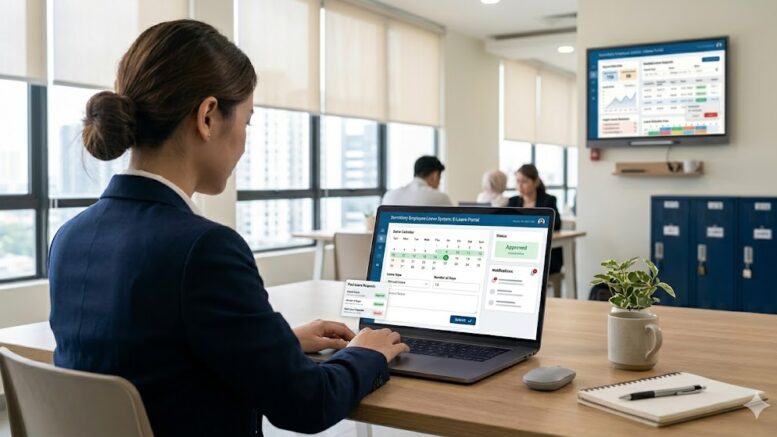
Leave Management System For Multi Company Setups
Managing employee leave across multiple companies presents a unique set of challenges that many Malaysian organisations struggle with daily. Whether you operate as a holding company, a franchise network, or run several subsidiary businesses, the complexity of coordinating leave policies, approvals, and records across different entities can quickly become overwhelming. Without proper systems in place, HR teams find themselves juggling spreadsheets, managing inconsistent policies, and spending countless hours on administrative tasks that could be better spent on strategic initiatives.
A robust leave management system designed for multi-company environments offers a comprehensive solution to these challenges. It enables organisations to streamline leave requests, maintain consistency across all business units, and ensure compliance with Malaysian employment regulations. In this article, we explore how a modern leave management system can transform the way multi-company organisations handle employee time off.
Understanding Multi-Company Leave Management Challenges
Organisations operating multiple companies face distinct challenges that single-entity businesses may not encounter. Each subsidiary or branch may have different leave policies, approval hierarchies, and compliance requirements. Coordinating these across the entire group while maintaining accurate records becomes exponentially more difficult as the organisation grows.
Common challenges include:
- Inconsistent leave policies across different business units
- Difficulty tracking leave balances for employees across multiple companies
- Complex approval workflows involving multiple approval levels and locations
- Compliance risks when managing different regulatory requirements
- Time-consuming manual data entry and record keeping
- Lack of real-time visibility into leave status across the organisation
- Difficulty generating consolidated reports for payroll and planning purposes
These operational inefficiencies not only consume valuable HR resources but also increase the risk of errors, policy violations, and compliance issues. Employees may experience frustration with unclear processes or slow approval times, which can impact engagement and satisfaction.
What Is A Leave Management System For Multi-Company Setups?
A leave management system for multi-company setups is a centralised digital platform that enables organisations to manage employee leave across all business units from a single interface. Rather than maintaining separate systems or relying on manual processes for each company, a unified leave management system provides a cohesive solution that accommodates the unique needs of each entity while maintaining overall control and visibility.
Such systems allow organisations to:
- Define and apply different leave policies for each company or department
- Automate leave request submissions and approval processes
- Track leave balances in real-time across all business units
- Maintain accurate historical records for audit and compliance purposes
- Generate comprehensive reports for management and payroll integration
- Ensure consistency in policy implementation while allowing flexibility where needed
Key Benefits For Multi-Company Organisations
Centralised Control With Distributed Flexibility
One of the primary advantages of a dedicated leave management system is the ability to maintain centralised oversight while allowing individual companies to operate with their own specific policies. Head office can establish group-wide guidelines and compliance standards, whilst each subsidiary manages its own leave policies according to local requirements or business needs. This balance between control and flexibility is essential for large organisations operating across different sectors or regions.
Improved Operational Efficiency
Manual leave management consumes significant HR resources. A leave management system automates routine tasks such as leave request processing, approval routing, and balance calculations. This automation frees up HR teams to focus on strategic activities such as workforce planning, employee development, and policy optimisation. The time saved is substantial, particularly for organisations with hundreds or thousands of employees.
Enhanced Accuracy and Compliance
Leave records must be maintained accurately for payroll processing, statutory compliance, and dispute resolution. Manual systems are prone to errors such as incorrect balance calculations or missing documentation. An automated system ensures that all leave data is recorded accurately and can be easily audited. For Malaysian organisations, this is particularly important given the requirements under the Employment Act and collective agreements that may apply.
It is advisable to consult the latest guidelines from the Ministry of Human Resources or relevant labour authorities to ensure your leave management processes comply with current statutory requirements.
Real-Time Visibility and Reporting
Managers and HR personnel can access real-time information about leave requests, approval status, and employee leave balances from anywhere. This visibility enables better decision-making regarding resource allocation, temporary staffing, and workload management. Comprehensive reporting capabilities allow organisations to analyse leave patterns, identify trends, and plan more effectively.
Better Employee Experience
Employees appreciate clear, transparent leave processes. A user-friendly leave management system allows staff to submit requests easily, track their own balances, and receive prompt notifications about approval status. This transparency reduces confusion, improves satisfaction, and demonstrates that the organisation values fairness in leave administration.
Essential Features For Multi-Company Leave Management Systems
Multi-Company Architecture
The system should support multiple company profiles within a single platform. This allows different companies within your group to maintain separate leave policies, approval structures, and records whilst benefiting from a unified technological infrastructure. Administrative overhead is reduced because users only need to learn one system rather than multiple platforms.
Flexible Policy Configuration
Every company has unique leave policies. A robust leave management system should allow administrators to configure different leave types, accrual methods, carryover rules, and eligibility criteria for each company or department. Some organisations may offer different entitlements to different employee categories, which the system should accommodate without requiring manual workarounds.
Sophisticated Approval Workflows
Leave approval in multi-company environments may involve multiple approval levels and different approvers for different companies. The system should support customisable approval workflows that route requests to the appropriate managers based on company structure, department, or leave type. Automated escalation features help ensure that requests do not get stuck in approval queues.
Integration With Payroll and HR Systems
To maximise value, a leave management system should integrate with payroll and HR management systems. This integration eliminates the need for manual data entry, reduces errors, and ensures that leave data is automatically reflected in payroll calculations. It also provides a complete view of employee records within the broader HR ecosystem.
Comprehensive Reporting and Analytics
Multi-company organisations need reporting that provides both consolidated group-level insights and detailed company-specific information. The system should generate standard reports such as leave taken, remaining balances, approval metrics, and absence patterns. Advanced analytics can help identify anomalies and support strategic workforce planning.
Mobile Accessibility
In today’s work environment, employees and managers need the ability to submit, approve, and check leave information on the go. Mobile-friendly access ensures that the leave management system remains accessible regardless of location or device.
Best Practices For Implementing Leave Management Systems In Multi-Company Environments
Successful implementation requires careful planning and stakeholder engagement. Consider these best practices:
- Map your current processes: Document existing leave policies and approval procedures for each company before implementation. Understanding your current state helps identify where the system needs to be customised.
- Standardise where possible: Whilst flexibility is important, excessive variation across companies creates complexity. Identify opportunities to standardise policies across the group without compromising legitimate business needs.
- Engage stakeholders early: Involve HR teams, managers, and employees in the selection and implementation process. Their input ensures the system meets real operational needs and increases adoption.
- Provide comprehensive training: Different user groups require different training. HR administrators need to understand system configuration, managers need to know how to approve requests, and employees need to understand how to submit requests and check their balances.
- Plan data migration carefully: If transitioning from existing systems or manual processes, ensure that historical leave data is accurately migrated to the new system. This is crucial for maintaining accurate records and employee trust.
- Test thoroughly: Before going live, test all workflows across different companies and scenarios. Testing should include normal operations and edge cases such as leave requests that span policy changes or employee transfers between companies.
- Monitor and optimise: After implementation, continuously monitor the system’s performance and gather feedback. Use this information to optimise configurations and processes over time.
How Smart Touch Technology Can Help
Smart Touch Technology offers an E Leave System specifically designed to address the complexities of leave management in multi-company organisations. The system provides a centralised platform where multiple companies can operate with their own distinct leave policies whilst maintaining consistent standards and comprehensive oversight from group management.
The E Leave System enables Malaysian organisations to automate leave request workflows, maintain accurate leave records across all business units, and generate the reports needed for payroll integration and compliance purposes. By consolidating leave management into a single system, organisations can significantly reduce administrative overhead whilst improving accuracy and employee satisfaction.
For a complete breakdown of features and modules, visit our product page here: https://www.smartouch.com.my/e-leave-system/.
Conclusion
Managing leave across multiple companies requires more than basic leave tracking tools. A dedicated leave management system designed for multi-company environments provides the flexibility, automation, and reporting capabilities that large organisations need to operate efficiently and maintain compliance.
By implementing a comprehensive leave management system, Malaysian organisations can reduce administrative burden on HR teams, improve accuracy in leave records, provide a better experience for employees and managers, and gain valuable insights into leave patterns and trends. Whether you operate a holding company, manage multiple subsidiaries, or run a franchise network, the right leave management solution can transform how your organisation handles one of the most important aspects of employee administration.
The investment in a modern leave management system pays dividends through improved efficiency, reduced errors, and better strategic decision-making across your entire organisation.
Smart Touch Technology Pte Ltd
Singapore: www.smartouch.com.sg | +65-63964767 | sales@smartouch.com.sg
Malaysia: www.smartouch.com.my | +607-3889903 | sales@smartouch.com.my