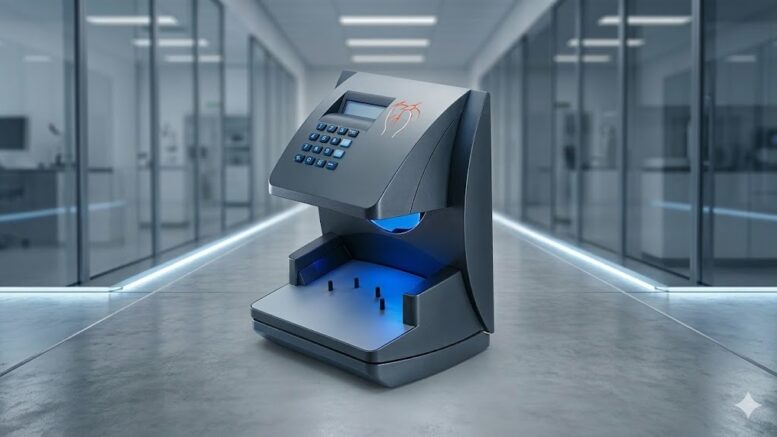
Biometric Fingerprint System: Fingerprint Door Access Control Implementation Best Practices
In today’s fast-paced business environment, security and operational efficiency go hand in hand. Whether you manage a corporate office, manufacturing facility, healthcare institution, or government building, controlling who enters your premises is critical. Traditional access control methods—such as key cards, PIN codes, or manual logbooks—are becoming outdated, inefficient, and increasingly vulnerable to security breaches.
A biometric fingerprint system represents a modern, reliable solution to these challenges. By leveraging unique biological identifiers, fingerprint door access control offers Malaysian businesses enhanced security, improved accountability, and streamlined operations. This article explores the best practices for implementing a biometric fingerprint system in your organisation, helping you make an informed decision about this transformative technology.
Understanding Biometric Fingerprint Technology
Biometric fingerprint systems work by capturing and storing unique fingerprint patterns for each authorised user. When someone attempts to access a controlled area, they place their finger on a scanner. The system instantly compares the scanned print to the stored database and grants or denies access accordingly.
This technology is based on the principle that no two individuals have identical fingerprints—even identical twins have different patterns. This inherent uniqueness makes fingerprint recognition one of the most reliable forms of biometric identification available today.
Why Fingerprint Door Access Control Matters for Malaysian Businesses
Malaysia’s diverse business landscape—from bustling Kuala Lumpur corporate towers to manufacturing plants in Selangor and Penang—demands flexible, secure access solutions. A biometric fingerprint system addresses several critical business needs:
- Enhanced Security: Eliminates the risk of lost or shared access cards and forgotten PIN codes.
- Accurate Attendance Tracking: Automatically records when employees enter and exit, reducing time theft and improving payroll accuracy.
- Compliance Support: Helps organisations maintain audit trails and meet regulatory requirements.
- Operational Efficiency: Reduces administrative overhead associated with manual access management.
- Scalability: Easily accommodates business growth and changing organisational structures.
Best Practices for Implementing Fingerprint Door Access Control
1. Assess Your Security Requirements
Before implementation, conduct a thorough assessment of your facility’s security needs. Identify which areas require controlled access and determine the appropriate security level for each zone. High-security areas—such as server rooms, vaults, or sensitive manufacturing sections—may require multi-factor authentication combining fingerprint recognition with additional verification methods.
Consider the number of users who require access, expected traffic volume during peak hours, and any future expansion plans. This assessment will guide your hardware selection and system configuration.
2. Choose the Right Hardware and Infrastructure
Fingerprint door access control systems vary in quality, speed, and reliability. When selecting hardware, prioritise:
- Scanner Accuracy: Look for devices with high false rejection and false acceptance rates to ensure reliable recognition.
- Processing Speed: Fast systems reduce bottlenecks during peak entry times.
- Environmental Durability: Ensure devices can withstand Malaysia’s tropical climate, including humidity and temperature fluctuations.
- Network Connectivity: Decide between standalone systems or networked solutions depending on your facility size and management preferences.
- Data Storage Capacity: Ensure sufficient capacity for your user base, with room for future growth.
3. Plan Your Enrollment Process
Proper enrollment sets the foundation for system success. When registering users, ensure:
- Clear, documented procedures guide staff through the enrollment process.
- Supervisors verify that enrolled individuals are authorised to access their designated areas.
- Multiple fingerprints from each user are captured to improve recognition accuracy.
- Users receive instructions on proper finger placement and positioning for scanning.
- Enrollment data is securely stored with appropriate backup protocols.
4. Implement Robust Security Protocols
A biometric fingerprint system is only as secure as its supporting infrastructure. Implement these protocols:
- Data Protection: Ensure fingerprint data is encrypted both in storage and during transmission.
- Access Levels: Configure different permission levels for different user roles and departments.
- Audit Trails: Maintain detailed logs of all access attempts, both successful and failed.
- Regular Backups: Establish automated backup procedures to prevent data loss.
- System Monitoring: Set up alerts for unauthorised access attempts or system anomalies.
5. Establish Clear Policies and Procedures
Technology alone cannot ensure success. Develop comprehensive policies covering:
- Who can be enrolled in the system and under what circumstances.
- How access rights are granted, modified, and revoked.
- What happens when an employee leaves the organisation.
- Emergency override procedures for system failures.
- Privacy considerations regarding fingerprint data collection and storage.
- Disciplinary procedures for unauthorised access attempts.
6. Provide Adequate User Training
Even the most sophisticated system requires well-informed users. Conduct training sessions that cover:
- How to properly use the fingerprint scanner.
- What to do if the system fails to recognise their fingerprint.
- Security awareness regarding access control protocols.
- Reporting procedures for system malfunctions or suspected security breaches.
7. Plan for System Maintenance and Support
Regular maintenance ensures consistent performance. Establish schedules for:
- Hardware Cleaning: Fingerprint scanners accumulate dust and moisture in Malaysia’s climate. Regular cleaning prevents recognition errors.
- Software Updates: Keep your system’s firmware and applications current with the latest security patches.
- Performance Monitoring: Regularly review system logs to identify and address emerging issues.
- Contingency Planning: Develop backup procedures for system outages, including manual override options for emergency situations.
8. Consider Integration with Other Systems
A fingerprint door access control system becomes more valuable when integrated with complementary solutions. Consider connecting your system to:
- Time and attendance management systems for automated payroll processing.
- Building management systems for integrated facility control.
- HR information systems for efficient employee data management.
- Security surveillance systems for comprehensive facility monitoring.
Common Implementation Challenges and Solutions
Challenge: Poor Fingerprint Recognition
Some users may experience repeated rejection due to worn fingerprints, dirt, moisture, or improper scanning technique. Solutions include providing hand sanitiser stations near scanners, displaying clear usage instructions, and enrolling multiple fingerprints per user for better matching options.
Challenge: Privacy Concerns
Employees may worry about the collection and storage of biometric data. Address this through transparent communication about data security measures, clear privacy policies, and compliance with relevant regulations. Consider consulting with your legal team regarding data protection obligations.
Challenge: System Downtime
Technical failures can disrupt operations. Implement redundant systems, maintain backup power supplies, and establish clear procedures for manual access during outages.
How Smart Touch Technology Can Help
Smart Touch Technology offers biometric fingerprint systems designed specifically for Malaysian businesses seeking reliable, efficient access control solutions. Our fingerprint door access control technology combines accuracy, speed, and ease of use to streamline your facility’s security operations.
Whether you’re a small business protecting sensitive areas or a large organisation managing multiple facilities, our solutions scale to match your needs. Our systems integrate seamlessly with existing infrastructure and support comprehensive reporting and analytics for better operational insights.
Click here to find out how the product works: https://www.smartouch.com.my/category/time-clock/biometric-fingerprint/
Conclusion
Implementing a biometric fingerprint system is a strategic investment in your organisation’s security and efficiency. By following these best practices—from thorough planning and proper hardware selection to user training and ongoing maintenance—you can ensure a successful deployment that delivers measurable benefits.
A fingerprint door access control system provides Malaysian businesses with a modern, reliable way to protect assets, improve accountability, and streamline operations. As security threats evolve and organisations grow, this technology becomes increasingly valuable for those who implement it thoughtfully.
The key to success lies not just in selecting the right technology, but in planning comprehensively, training your team thoroughly, and maintaining your systems diligently. With the right approach, a biometric fingerprint system becomes a cornerstone of your organisation’s operational excellence and security posture.
Smart Touch Technology Pte Ltd
Singapore: www.smartouch.com.sg | +65-63964767 | sales@smartouch.com.sg
Malaysia: www.smartouch.com.my | +607-3889903 | sales@smartouch.com.my