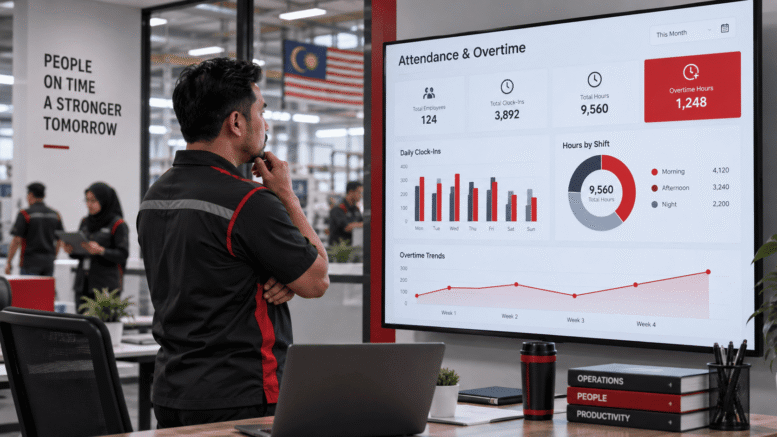
Time And Attendance System: OT Rate In Malaysia Implementation Best Practices
Managing overtime (OT) rates correctly is one of the most critical responsibilities for Malaysian employers. With Malaysia’s complex employment laws and varying overtime regulations across different states and industries, getting overtime calculations right is essential for legal compliance and maintaining employee satisfaction.
A time and attendance system designed specifically for Malaysia can streamline OT rate calculations, reduce administrative burden, and ensure your organisation stays compliant with employment regulations. This article explores best practices for implementing overtime rate management in Malaysia and how modern technology can simplify the process.
Understanding Overtime Regulations in Malaysia
Malaysia’s approach to overtime is governed primarily by the Employment Act 1955, though certain provisions may vary depending on your state, industry, and the nature of employment. Understanding these regulations is the foundation for implementing an effective time and attendance system.
Generally, overtime occurs when an employee works beyond the standard working hours. In Malaysia, the standard working week is typically 48 hours, though this can vary by sector. When employees exceed these hours, employers are required to compensate them appropriately.
Key Overtime Considerations
Overtime compensation in Malaysia typically follows these principles:
- Rate Calculation: Overtime is usually paid at a rate of 1.5 times the ordinary rate of pay, though this may differ based on employment contracts and industry standards.
- State Variations: Different states may have slightly different overtime provisions. It is advisable to verify the specific requirements applicable to your organisation’s location.
- Industry Differences: Some industries have unique overtime arrangements. It is important to confirm the overtime rules relevant to your sector.
- Documentation Requirements: Employers must maintain accurate records of all overtime worked and payments made for regulatory compliance.
Given the complexity of these regulations, many Malaysian businesses struggle with manual overtime tracking and calculation. This is where a robust time and attendance system becomes invaluable.
Challenges in Manual Overtime Management
Many organisations in Malaysia still rely on manual methods to track and calculate overtime. While this approach may work for very small teams, it quickly becomes problematic as businesses grow.
Common Problems with Manual Systems
Manual overtime management often leads to several recurring issues:
- Calculation Errors: Manual calculations are prone to mistakes, leading to incorrect OT payments and potential disputes with employees.
- Time Tracking Inconsistencies: Paper-based or informal time recording methods lack accuracy and can be easily manipulated.
- Compliance Risks: Without automated systems, it is difficult to ensure all overtime is recorded and paid in accordance with Malaysian employment laws.
- Administrative Burden: HR and payroll teams spend considerable time manually compiling overtime data, diverting resources from strategic activities.
- Audit Trail Gaps: Manual systems often lack comprehensive records, making regulatory audits challenging and potentially exposing the organisation to liability.
- Employee Disputes: Inaccurate overtime calculations frequently lead to employee grievances and damage to workplace relations.
These challenges highlight why implementing a digital time and attendance system is not merely a convenience—it is a necessity for modern Malaysian businesses.
Best Practices for OT Rate Implementation
Successful overtime management requires a strategic approach combined with appropriate technology. Here are the key best practices for Malaysian organisations:
Establish Clear Overtime Policies
Before implementing any system, your organisation should have documented overtime policies that align with Malaysian employment laws. These policies should clearly define:
- What qualifies as overtime in your organisation
- The overtime rates applicable to different employee categories
- Approval processes for overtime work
- How overtime is calculated and paid
- Any differences based on state or industry-specific regulations
Once these policies are documented and communicated to employees, they become the foundation for your time and attendance system configuration.
Implement Accurate Time Tracking
Accurate time tracking is the cornerstone of correct overtime calculation. Modern time and attendance systems typically use digital methods such as:
- Biometric clock-in systems (fingerprint or facial recognition)
- Card-based access systems
- Mobile or web-based time logging applications
- Integration with access control systems
These methods eliminate the guesswork associated with manual time recording and create an auditable record of when employees actually worked.
Configure System Settings for Malaysian Compliance
When setting up your time and attendance system, ensure it is configured to match Malaysian overtime requirements. Key configuration areas include:
- Standard working hours per week and per day
- Applicable overtime rates for different circumstances
- Rest day and public holiday considerations
- Threshold calculations for triggering overtime payments
- Deductions and allowances that affect overtime base pay
Proper configuration from the start prevents costly recalculations and ensures compliance from day one.
Regular System Audits and Updates
Employment regulations can change, and your system configuration should evolve accordingly. Schedule regular audits to ensure your time and attendance system remains aligned with current Malaysian employment laws and your organisation’s policies.
Train Your Team Thoroughly
Even the best system will fail without proper user training. Ensure that HR staff, managers, and employees understand how to use the system correctly. Training should cover:
- How to clock in and out properly
- How overtime is automatically calculated
- How to review and dispute overtime records
- How overtime data flows into payroll systems
Maintain Clear Communication with Employees
Transparency about overtime tracking and payment builds trust. Regularly share overtime reports with employees so they can verify the accuracy of their records. This proactive approach reduces disputes and demonstrates your commitment to fair compensation.
How Smart Touch Technology Can Help
Smart Touch Technology offers a time and attendance system specifically designed for Malaysian organisations. The system is built to handle the nuances of Malaysian employment regulations, including OT rate calculations that comply with local requirements.
With Smart Touch’s time management system, you can:
- Automate time tracking using reliable biometric or card-based methods
- Configure overtime rates that reflect Malaysian employment standards
- Generate accurate overtime reports for payroll processing
- Maintain comprehensive audit trails for regulatory compliance
- Reduce administrative time spent on overtime management
- Minimise calculation errors and employee disputes
The system integrates seamlessly with payroll processes, ensuring overtime data flows smoothly from time tracking to final payment. This integration reduces manual data entry and associated errors.
To learn more about how Smart Touch’s time and attendance solution can support your organisation’s overtime management, read the product overview here: http://www.smartouch.com.my/tms-time-management-system-singapore-malaysia/
Conclusion
Implementing a robust time and attendance system for managing OT rates is essential for Malaysian organisations operating in today’s business environment. The complexity of overtime regulations, combined with the administrative burden of manual tracking, makes digital solutions not just helpful but necessary.
By following best practices—establishing clear policies, implementing accurate time tracking, configuring systems for Malaysian compliance, conducting regular audits, and maintaining transparent communication with employees—your organisation can ensure overtime is managed fairly, accurately, and in full compliance with regulations.
Modern time and attendance systems transform overtime management from a source of administrative headache and compliance risk into a streamlined, reliable process that benefits both employers and employees. As Malaysian businesses continue to grow and evolve, investing in the right technology becomes an investment in accuracy, compliance, and employee satisfaction.
Smart Touch Technology Pte Ltd
Singapore: www.smartouch.com.sg | +65-63964767 | sales@smartouch.com.sg
Malaysia: www.smartouch.com.my | +607-3889903 | sales@smartouch.com.my