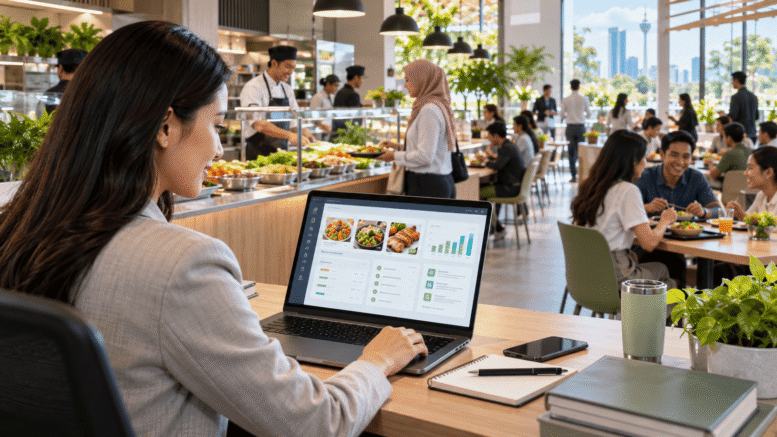
Smart Canteen: Multi-Vendor Canteen Management A Practical Buyer’s Guide
Managing a canteen that serves multiple vendors can be one of the most complex operational challenges for Malaysian organisations, schools, factories, and corporate offices. When several food vendors operate from a single canteen space, coordinating their operations, managing payments, tracking inventory, and ensuring customer satisfaction becomes exponentially more difficult. Traditional manual methods often lead to delays, billing errors, inconsistent service quality, and frustrated customers.
This is where modern multi-vendor canteen management solutions come into play. A smart canteen system designed to handle multiple vendors can streamline operations, improve efficiency, and create a better experience for both vendors and customers. If you’re considering implementing such a system, this guide will help you understand what to look for and how to make an informed decision.
Understanding Multi-Vendor Canteen Management
Multi-vendor canteen management refers to the coordinated operation of a single canteen facility where multiple food vendors run their stalls or outlets simultaneously. Unlike a single-vendor canteen, multi-vendor environments introduce additional layers of complexity that require thoughtful management.
In a typical multi-vendor canteen scenario, customers might queue at different vendor stalls, each offering different cuisines or meal options. Vendors need to manage their own inventory, staffing, and pricing, while the canteen operator must oversee the overall facility, customer flow, vendor performance, and compliance matters.
Without proper systems in place, this arrangement can result in operational bottlenecks, payment reconciliation issues, and difficulty tracking which vendor is responsible for which transaction or performance metric.
Key Challenges in Multi-Vendor Canteen Operations
Before selecting a management solution, it’s important to recognise the specific challenges that multi-vendor canteens face:
Payment and Billing Complexity
When multiple vendors operate independently, managing payments becomes complicated. Customers may pay different vendors in different ways, and reconciling these transactions at the end of each day can be time-consuming and error-prone. Disputes over payment splits, commissions, and vendor settlements are common.
Inventory Tracking
Each vendor maintains their own inventory, but the canteen operator needs visibility into overall stock levels to prevent shortages or waste. Without centralised tracking, it’s difficult to identify which items are selling well and which vendors might be underperforming.
Customer Experience Consistency
With multiple vendors operating independently, maintaining consistent service quality and customer satisfaction across the canteen becomes challenging. Long queues at popular stalls, slow service at others, and inconsistent food quality can damage the canteen’s reputation.
Vendor Performance Monitoring
Canteen operators need to assess each vendor’s performance, but without reliable data, this becomes subjective and difficult to manage objectively. Questions like “Which vendor has the highest customer satisfaction?” or “Who generated the most revenue?” are hard to answer without proper tracking systems.
Compliance and Food Safety
Managing compliance across multiple vendors—including food safety certifications, hygiene standards, licensing, and regulatory requirements—requires careful oversight and documentation.
What to Look for in a Multi-Vendor Canteen Management System
When evaluating smart canteen solutions, consider these essential features and capabilities:
Centralised Payment Processing
A robust system should support multiple payment methods (cash, card, mobile payment) and automatically reconcile transactions across all vendors. This reduces manual work and minimises billing errors. The system should clearly separate each vendor’s transactions and automatically calculate commission splits and settlements.
Real-Time Inventory Management
Look for systems that allow each vendor to update their inventory in real-time while providing the canteen operator with a consolidated view. This helps prevent stockouts, reduce waste, and identify trending items.
Menu and Pricing Control
A good system should allow each vendor to manage their own menu items and pricing while maintaining oversight at the canteen level. This flexibility ensures vendors can operate independently while remaining within agreed parameters.
Customer Ordering and Queue Management
Modern smart canteen systems often include features like mobile ordering, queue management, or point-of-sale integration. These features reduce wait times and improve the overall customer experience.
Vendor Performance Analytics
Detailed reporting and analytics on vendor performance, sales trends, customer feedback, and operational metrics help canteen managers make data-driven decisions.
Compliance and Documentation
The system should support compliance tracking, including vendor certifications, food safety records, and audit trails. This is particularly important for organisations that must meet regulatory requirements.
User-Friendly Interface
Both vendors and canteen operators need to use the system easily. Poor user experience can lead to adoption resistance and operational disruptions. The system should be intuitive for people with varying levels of technical expertise.
Implementation Considerations for Malaysian Organisations
When implementing a multi-vendor canteen management system in Malaysia, keep these factors in mind:
- Local Payment Methods: Ensure the system supports Malaysian payment methods such as FPX, debit card, credit card, and e-wallets that are popular in Malaysia.
- Regulatory Compliance: Check that the system can help track compliance with local health and safety requirements. It’s advisable to verify with the relevant authorities regarding specific requirements applicable to your organisation and location.
- Language Support: A system with Malay and English language support makes implementation smoother for staff and vendors across Malaysia.
- Vendor Training: Plan for adequate training and support for vendors who may be unfamiliar with digital systems. This is critical for successful adoption.
- Scalability: Choose a system that can grow with your canteen operations. If you plan to expand to multiple locations or add more vendors, scalability is essential.
- Local Support: Having access to local customer support ensures issues are resolved quickly and efficiently.
Common Mistakes to Avoid
When selecting and implementing a smart canteen system, avoid these common pitfalls:
- Choosing Based on Price Alone: The cheapest system may lack essential features or reliability. Focus on value and fit for your specific needs.
- Insufficient Vendor Consultation: Involve vendors in the selection process. Their buy-in is crucial for successful implementation.
- Inadequate Training: Rushing implementation without proper training leads to underutilisation and frustration. Allocate sufficient time for staff and vendor training.
- Ignoring Data Security: Payment and customer data must be handled securely. Ensure the system complies with data protection standards.
- Lack of Change Management: Moving from manual to digital processes requires change management. Communicate benefits clearly and support staff through the transition.
How Smart Touch Technology Can Help
Smart Touch Technology offers a comprehensive smart canteen solution designed specifically for multi-vendor environments. The platform integrates payment processing, inventory management, vendor coordination, and reporting into a single, user-friendly system.
Our smart canteen solution helps Malaysian organisations streamline their canteen operations by automating payment reconciliation, providing real-time visibility into vendor performance, and enabling better customer experience management. The system is built with the needs of multi-vendor canteens in mind, making it easier to coordinate operations, track compliance, and make data-driven decisions.
You can read more about our compliance features by visiting https://www.smartouch.com.my/canteen-management-system-2/ to understand how Smart Touch Technology supports your canteen’s specific requirements.
Conclusion
Managing a multi-vendor canteen successfully requires more than just good intentions. It demands a systematic approach, clear processes, and the right technology tools. A smart canteen management system designed for multi-vendor operations can transform how your canteen runs, reducing operational headaches, improving vendor relationships, and enhancing customer satisfaction.
When evaluating solutions, focus on finding a system that addresses your specific operational challenges, supports Malaysian business requirements, and comes with reliable local support. The investment in a proper management system typically pays for itself through improved efficiency, reduced errors, and better decision-making based on accurate data.
Whether you operate a canteen for a large corporation, school, factory, or other organisation, implementing the right multi-vendor canteen management solution is a practical step toward operational excellence.
Smart Touch Technology Pte Ltd
Singapore: www.smartouch.com.sg | +65-63964767 | sales@smartouch.com.sg
Malaysia: www.smartouch.com.my | +607-3889903 | sales@smartouch.com.my