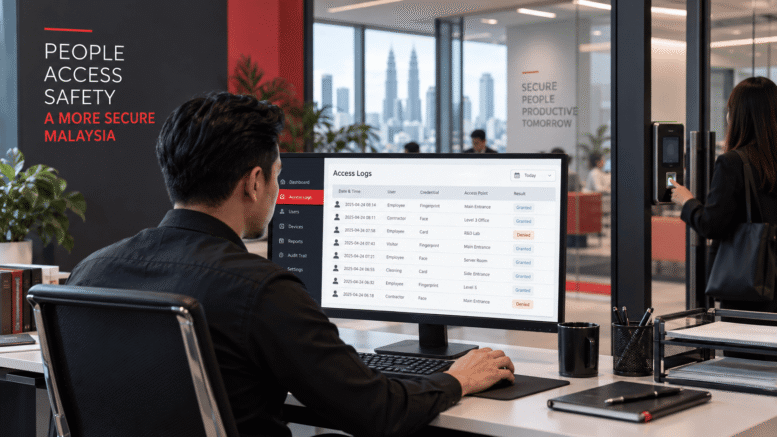
Smartouch HR Solutions: Employment Act 1955 For Modern HR Teams
Managing human resources in Malaysia requires more than just good intentions—it demands a solid understanding of the legal framework that governs employment relationships. The Employment Act 1955 remains the cornerstone of employment law in Malaysia, setting out the rights and responsibilities of both employers and employees. For modern HR teams, navigating this legislation while maintaining efficient operations and supporting business growth can be challenging. This article explores how contemporary HR solutions can help your organisation stay compliant with the Employment Act 1955 while building stronger workforce management practices.
Understanding the Employment Act 1955 in Malaysia
The Employment Act 1955 is a fundamental piece of Malaysian legislation that applies to most employees in the private sector. It establishes the minimum standards for employment conditions, including wages, working hours, leave entitlements, and termination procedures. While the Act has been amended several times to reflect changing workplace needs, its core purpose remains unchanged: to protect employees while providing employers with a clear legal framework for managing their workforce.
For HR teams, understanding this Act is not merely a compliance exercise—it is essential for building trust, reducing legal risks, and creating a workplace culture that attracts and retains talent. Malaysian businesses operating in an increasingly competitive market cannot afford to overlook these statutory obligations.
Key Provisions Modern HR Teams Must Know
Wages and Remuneration
The Employment Act 1955 establishes clear rules regarding how wages must be paid, including frequency, deductions, and minimum payment standards. Employers must ensure that wage payments are made promptly and that any deductions comply with the legislation. Modern HR teams must implement systems that accurately track and process payroll while maintaining detailed records for audit purposes.
Working Hours and Overtime
The Act specifies maximum working hours and requirements for rest days and public holidays. Different sectors may have varying provisions, and understanding these nuances is critical. HR teams must maintain accurate records of working hours, ensure compliance with rest day requirements, and correctly calculate overtime payments when applicable.
Annual Leave and Other Entitlements
Employees are entitled to annual leave as stipulated in the Employment Act 1955. The Act also covers sick leave, maternity leave, and other statutory entitlements. Proper management of these entitlements requires robust tracking systems and clear communication of employee rights.
Termination of Employment
The Act outlines specific procedures for terminating employment, including notice periods and compensation requirements. Employers must follow these procedures carefully to avoid disputes and potential legal challenges.
Common Challenges Malaysian HR Teams Face
Modern HR departments in Malaysia encounter several recurring challenges when managing Employment Act 1955 compliance:
- Payroll complexity: Calculating wages, deductions, and overtime correctly while maintaining compliance requires meticulous attention to detail and robust record-keeping systems.
- Leave management: Tracking multiple types of leave across numerous employees, especially in larger organisations, can quickly become administratively burdensome without proper systems.
- Documentation and record-keeping: The Employment Act 1955 requires employers to maintain comprehensive employment records. Managing these documents manually is time-consuming and error-prone.
- Changing regulations: Employment legislation is periodically updated to reflect changing circumstances. HR teams must stay informed of amendments to ensure ongoing compliance.
- Staff training: Ensuring that managers and supervisors understand their obligations under the Act requires ongoing education and training.
The Role of HR Technology in Compliance
Contemporary HR solutions have transformed how organisations manage employment compliance. By automating routine processes and centralising employee data, modern HR technology helps organisations reduce errors, improve efficiency, and maintain consistent compliance with the Employment Act 1955.
Digital HR systems provide several advantages for Malaysian businesses:
- Accurate, automated payroll calculations that comply with legislative requirements
- Real-time leave balance tracking and approval workflows
- Comprehensive audit trails and record-keeping capabilities
- Centralised employee data that is easily accessible for compliance reviews
- Integration with other business systems to streamline HR operations
Best Practices for Employment Act 1955 Compliance
Develop Clear HR Policies
Establish written HR policies that clearly explain how your organisation applies the Employment Act 1955. These policies should cover wages, working hours, leave entitlements, and termination procedures. Ensure that all employees receive copies and understand their rights and responsibilities.
Maintain Accurate Records
Keep detailed, organised records of employment contracts, payroll, working hours, and leave taken. Digital record-keeping systems make this easier to manage and audit.
Regular Compliance Reviews
Periodically review your HR practices against the current requirements of the Employment Act 1955. Employment law can change, and your practices should evolve accordingly. It is advisable to check the latest information from the relevant official authorities to ensure your understanding remains current.
Train Your Management Team
Ensure that managers and supervisors understand their obligations under the Employment Act 1955. Regular training helps prevent compliance breaches at the operational level.
Implement Technology Solutions
Invest in HR systems that help automate compliance-related tasks and maintain accurate records. This reduces administrative burden and minimises errors.
How Smart Touch Technology Can Help
Smart Touch Technology offers HR solutions designed to support Malaysian organisations in managing their workforce effectively and compliantly. Our general HR platform helps streamline key HR processes, from payroll management to leave tracking and employee record-keeping. By centralising your HR data and automating routine tasks, Smart Touch HR solutions enable your team to focus on strategic workforce initiatives while maintaining the detailed compliance documentation required under the Employment Act 1955.
Whether you are managing a growing team or optimising existing HR processes, Smart Touch Technology provides tools that support accurate record-keeping, transparent employee communication, and efficient operations. Our solutions are designed with Malaysian business requirements in mind, helping you navigate local employment legislation with confidence.
Conclusion
The Employment Act 1955 remains essential to employment relationships in Malaysia, and understanding its requirements is crucial for any modern HR team. Compliance is not merely about avoiding penalties—it is about building a fair, transparent, and productive workplace where employees understand their rights and employers can operate with confidence.
By combining a solid understanding of the Employment Act 1955 with modern HR technology solutions, Malaysian organisations can streamline compliance, reduce administrative overhead, and create an HR function that genuinely supports business growth. The investment in proper HR systems and practices pays dividends in reduced legal risk, improved employee satisfaction, and more efficient operations.
For more information about how Smart Touch Technology can support your HR compliance needs, contact us today and discover how our solutions can benefit your organisation.
Smart Touch Technology Pte Ltd
Singapore: www.smartouch.com.sg | +65-63964767 | sales@smartouch.com.sg
Malaysia: www.smartouch.com.my | +607-3889903 | sales@smartouch.com.my