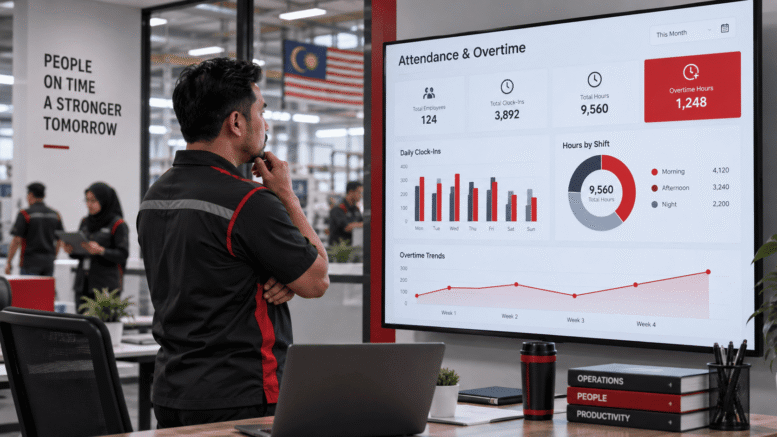
Time And Attendance System: Cloud Time And Attendance Implementation Best Practices
In today’s dynamic business environment, managing employee time and attendance accurately has become more critical than ever. Whether your organisation operates from a single location or manages a distributed workforce across Malaysia, implementing a cloud-based time and attendance system can transform how you track, monitor, and manage staff schedules. However, successful implementation requires careful planning and adherence to best practices to ensure smooth adoption and maximum return on investment.
This guide explores the essential best practices for implementing a cloud time and attendance system in Malaysian organisations, helping you avoid common pitfalls and achieve your operational efficiency goals.
Why Cloud Time And Attendance Systems Matter
Traditional manual attendance tracking methods—such as paper registers, punch cards, or basic spreadsheets—are labour-intensive, error-prone, and difficult to scale. A modern cloud time and attendance system addresses these limitations by automating the entire process, providing real-time visibility into employee presence, and streamlining payroll and compliance reporting.
For Malaysian businesses, the advantages are particularly significant. Cloud-based solutions eliminate geographical barriers, allowing organisations to manage attendance across multiple states and office locations seamlessly. They also reduce administrative overhead, improve data accuracy, and provide valuable insights into workforce patterns and productivity.
Key Benefits Of Cloud Time And Attendance Implementation
Understanding the benefits helps justify the investment and sets realistic expectations for your team:
- Accuracy and Reduced Errors: Automated tracking eliminates manual data entry mistakes that can affect payroll calculations and compliance records.
- Time Savings: HR teams spend significantly less time processing attendance data, allowing them to focus on strategic initiatives.
- Enhanced Compliance: Cloud systems maintain accurate records that support compliance with Malaysian labour regulations and company policies.
- Real-Time Visibility: Managers and HR personnel can access attendance data instantly, enabling faster decision-making and issue resolution.
- Scalability: Cloud solutions grow with your business, accommodating new employees and locations without significant infrastructure changes.
- Cost Efficiency: Reduced administrative work and improved accuracy translate into measurable cost savings over time.
- Employee Accountability: Clear, transparent tracking promotes punctuality and professional discipline across the organisation.
Best Practices For Cloud Time And Attendance Implementation
1. Conduct a Thorough Needs Assessment
Before selecting a cloud time and attendance system, evaluate your organisation’s specific requirements. Consider the following questions:
- How many employees do you need to track?
- How many office locations will the system need to cover?
- What types of work schedules do your employees follow (fixed, flexible, shift-based)?
- What integration points do you need with existing systems (payroll, HR management, access control)?
- What compliance requirements must the system support?
A comprehensive needs assessment ensures you select a solution that actually addresses your challenges rather than over-engineering or under-delivering.
2. Secure Leadership Buy-In And Organisational Support
Successful implementation begins at the top. Engage senior management and department heads early in the process to ensure they understand the benefits and commit resources to the rollout. Clear communication about why the system is being implemented helps reduce resistance and builds enthusiasm throughout the organisation.
Designate implementation champions—respected employees from different departments—who can advocate for the system and help their colleagues adapt to the new processes.
3. Plan Your Implementation Timeline Carefully
Rushing implementation often leads to confusion, errors, and poor adoption. A realistic timeline should include:
- System selection and configuration (typically 2-4 weeks)
- Data migration and testing (2-3 weeks)
- User training and pilot testing (2-3 weeks)
- Phased rollout to departments or locations (4-8 weeks)
- Full system operation and stabilisation (ongoing monitoring)
Phased implementation reduces disruption and allows you to identify and resolve issues in smaller groups before organisation-wide deployment.
4. Ensure Data Accuracy And Proper Configuration
Before going live, invest time in configuring the system correctly. This includes:
- Accurately defining work schedules for all employee categories
- Setting up proper leave categories (annual leave, sick leave, compassionate leave, etc.)
- Configuring overtime rules and additional hours policies
- Establishing approval workflows for attendance adjustments
- Ensuring all employee records are complete and current
Poor configuration is one of the leading causes of implementation failure. Take time to get these details right from the start.
5. Provide Comprehensive User Training
Even the most sophisticated system fails if users don’t understand how to operate it. Develop training programmes tailored to different user groups:
- Employees: Training on clocking in/out procedures, viewing their attendance records, and requesting leave through the system.
- Managers: Training on monitoring team attendance, approving leave requests, and reviewing attendance reports.
- HR Team: Training on system administration, generating compliance reports, and troubleshooting common issues.
- IT Support: Training on technical maintenance, user account management, and system updates.
Provide multiple training formats—online tutorials, in-person sessions, quick reference guides—to accommodate different learning styles.
6. Establish Clear Policies And Procedures
Implement or update attendance policies that clarify how the system will be used. This includes:
- How and when employees should clock in and out
- Procedures for handling late arrivals or early departures
- How attendance data is used for performance evaluation or disciplinary purposes
- Privacy and data security expectations
- Procedures for disputing attendance records
Clear policies reduce confusion and help employees understand the expectations surrounding the new system.
7. Monitor Performance And Gather Feedback
After implementation, actively monitor system performance and user adoption. Track key metrics such as:
- System uptime and reliability
- User adoption rates across departments
- Time taken to resolve attendance discrepancies
- Quality of attendance data
- User satisfaction and feedback
Conduct feedback sessions with employees and managers to identify challenges and areas for improvement. Use this feedback to refine processes and address concerns promptly.
8. Ensure Ongoing Support And Maintenance
Implementation doesn’t end on the launch date. Establish a robust support structure that includes:
- Dedicated IT support personnel for user queries and technical issues
- Regular system maintenance and security updates
- Periodic training refreshers for new employees
- Quarterly reviews of system configuration to ensure it still aligns with business needs
Ongoing support demonstrates organisational commitment to the system and helps maintain high user satisfaction and adoption rates.
Common Implementation Challenges And Solutions
Challenge: Resistance To Change
Employees may resist moving from familiar manual processes to a new digital system. Address this through clear communication about benefits, involving employees in the implementation process, and providing patient, supportive training.
Challenge: Data Migration Issues
Transferring historical attendance data to the new system can be complex and error-prone. Mitigate this risk by conducting thorough data audits before migration, testing the migration process with sample data, and validating results carefully.
Challenge: Integration Problems
Connecting the time and attendance system with existing payroll and HR systems may present technical challenges. Work closely with your system provider and IT team to plan integrations carefully and test thoroughly before going live.
Challenge: Insufficient Training
Inadequate user training leads to low adoption and continued reliance on manual workarounds. Allocate sufficient time and resources to comprehensive training programmes tailored to different user groups.
Compliance Considerations For Malaysian Businesses
Malaysian organisations must ensure their time and attendance practices comply with relevant employment legislation. While regulations may evolve, it’s important to work with your legal or HR advisors to ensure your system supports compliance with current requirements regarding:
- Accurate tracking and documentation of working hours
- Proper recording of overtime and additional hours
- Fair handling of leaves and absences
- Data protection and employee privacy
For the most current information on specific compliance requirements, consult the relevant Malaysian government authorities or employment law specialists.
How Smart Touch Technology Can Help
Smart Touch Technology offers a comprehensive time and attendance system designed specifically for organisations in Malaysia and Singapore. The platform provides cloud-based attendance tracking that simplifies employee time management, improves accuracy, and streamlines administrative processes.
By implementing Smart Touch Technology’s time and attendance solution, Malaysian organisations can benefit from a system that understands local business practices, supports compliance requirements, and scales efficiently as the business grows. The platform enables managers to access real-time attendance data, automates routine administrative tasks, and provides the insights needed to optimise workforce management.
To explore how Smart Touch Technology can support your organisation’s time and attendance needs, read the product overview here: http://www.smartouch.com.my/tms-time-management-system-singapore-malaysia/
Conclusion
Implementing a cloud time and attendance system is a significant undertaking, but following established best practices can ensure a smooth transition that delivers genuine business value. By conducting thorough needs assessments, securing stakeholder support, planning carefully, training comprehensively, and providing ongoing support, Malaysian organisations can successfully adopt modern attendance tracking and reap substantial benefits in efficiency, accuracy, and compliance.
The key to success lies in viewing implementation not as a one-time event, but as an ongoing commitment to continuous improvement. With proper planning, adequate resources, and the right technology partner, your organisation can transform attendance management from a manual, error-prone process into an automated, reliable system that supports better decision-making and improved organisational performance.
Smart Touch Technology Pte Ltd
Singapore: www.smartouch.com.sg | +65-63964767 | sales@smartouch.com.sg
Malaysia: www.smartouch.com.my | +607-3889903 | sales@smartouch.com.my