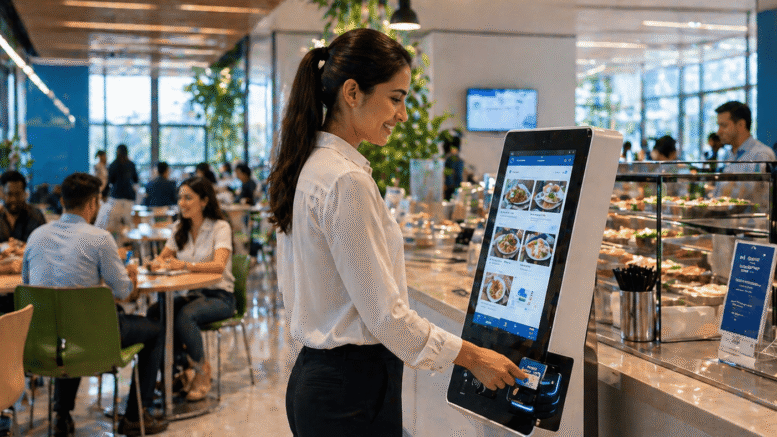
A busy canteen should be fast, organized, clean, and easy to manage. However, many workplaces, factories, schools, universities, hospitals, staff cafeterias, and large facilities still face the same daily problems: long queues, uncertain meal demand, cash handling issues, food wastage, manual ordering errors, and limited visibility into canteen operations. When hundreds or thousands of people need meals within a short break time, even a small delay can affect productivity, employee satisfaction, and food service quality.
An automated canteen ordering system provides a smarter way to manage food operations. By allowing users to pre-order meals, make cashless payments, collect food faster, and help vendors prepare the right quantity, organizations can eliminate queues and reduce food waste at the same time. This system transforms the traditional canteen from a manual food counter into a digital, data-driven, and efficient service environment.
For modern organizations, canteen automation is not just about convenience. It is about better planning, lower operating costs, improved user experience, and stronger management control.
What Is an Automated Canteen Ordering System?
An automated canteen ordering system is a digital platform that allows employees, students, workers, residents, or visitors to order meals through a web portal, mobile application, self-service kiosk, QR code menu, or integrated staff account. Instead of waiting in line to choose and pay for food, users can place orders in advance, select meal options, confirm collection time, and complete payment digitally.
The system can be integrated with staff ID cards, RFID cards, QR codes, face recognition terminals, e-wallets, prepaid accounts, payroll deduction, subsidy management, and canteen POS systems. Once an order is placed, the canteen operator receives accurate meal demand information. This allows the kitchen team to prepare the correct quantity and reduce unnecessary overproduction.
A complete automated canteen ordering system may include menu management, meal pre-ordering, digital payment, collection scheduling, order tracking, subsidy calculation, vendor reporting, inventory planning, and management dashboards. These features work together to create a smooth and smart food operation.
Why Traditional Canteen Operations Create Long Queues
Long canteen queues usually happen because too many people arrive at the same time, especially during lunch breaks, tea breaks, shift changes, or school recess. In a traditional canteen, users must view the menu, ask questions, choose food, wait for preparation, make payment, and collect their meal at the same counter. When every step happens manually, the line moves slowly.
Cash payment makes the process even slower. Canteen staff need to calculate prices, receive cash, return change, and record sales. If the food item is unavailable, the user must choose again, causing further delay. In large organizations, this creates congestion and frustration.
An automated canteen ordering system removes many of these bottlenecks. Users can decide what they want before reaching the counter. Payment can be completed digitally. Vendors already know the order quantity. Collection can be arranged by time slot. Instead of everyone crowding around the food counter, the canteen can operate with a more controlled and predictable flow.
How Automated Ordering Eliminates Queues
The main reason automated ordering eliminates queues is that it separates ordering from collection. In a manual system, users must queue to order and then wait again for food preparation. In an automated system, the order is submitted earlier. The kitchen prepares the meal based on confirmed demand. The user only needs to collect the prepared order at the assigned time or designated counter.
This improves serving speed dramatically. A worker with a 30-minute break should not spend half of that time waiting in line. A student should not miss valuable break time because of slow food service. An employee should be able to collect lunch quickly and return refreshed. A smart ordering system supports all these needs.
The system can also assign collection numbers, QR code pickup, or order status notifications. Users can check whether their meal is ready before approaching the counter. Canteen operators can separate pre-order collection from walk-in purchases, creating a cleaner and faster serving process.
Reducing Food Waste Through Accurate Demand Forecasting
Food waste is one of the biggest hidden costs in canteen operations. When vendors do not know how many meals will be sold, they often prepare extra food to avoid shortages. At the end of the meal period, unsold food may be thrown away. On the other hand, if vendors prepare too little, users complain because their preferred meals are sold out.
An automated canteen ordering system helps solve this problem by giving vendors real order data before cooking. If 300 employees pre-order chicken rice, 120 order vegetarian meals, and 80 order noodles, the kitchen can prepare according to actual demand instead of guessing. This reduces overproduction and improves menu availability.
Over time, the system also collects historical data. Management can see which meals are popular on certain days, which items are often wasted, and which menus should be adjusted. This allows the canteen team to make smarter decisions and reduce waste continuously.
Better Menu Planning and Meal Variety
A smart canteen ordering system makes menu planning more organized. Vendors can upload daily, weekly, or monthly menus into the system. Users can view meal options in advance and make their selections earlier. This gives the canteen operator a clearer understanding of demand before the meal period begins.
Meal variety can also be improved. The system can support different food categories such as breakfast, lunch, dinner, supper, vegetarian meals, halal meals, healthy meals, set meals, snacks, drinks, and special diet options. Organizations can introduce healthier choices and monitor whether users are actually selecting them.
For factories with shift workers, the system can offer different menus for morning shift, afternoon shift, night shift, and overtime meals. For schools and universities, it can help students choose meals before break time. For hospitals and care facilities, it can support more controlled meal planning. This flexibility makes the canteen more responsive to real user needs.
Cashless Payment for Faster and Cleaner Operations
Cash handling slows down canteen service and creates administrative work. It also increases the risk of mistakes, missing money, hygiene concerns, and end-of-day reconciliation problems. With an automated canteen ordering system, payment can be completed through cashless methods such as prepaid wallet, RFID card, QR code, staff account, payroll deduction, or online payment.
Cashless payment improves speed because users do not need to search for cash or wait for change. Canteen staff do not need to count money during peak hours. Finance teams can review digital transaction reports instead of depending on manual records.
For organizations that provide meal subsidies, cashless ordering is even more useful. The system can automatically apply the correct subsidy based on employee category, department, shift, or entitlement. The user pays only the balance, while the company subsidy is recorded clearly in the system.
Employee Meal Subsidy and Entitlement Control
Many companies provide subsidized meals as part of employee welfare. However, managing meal subsidies manually can be difficult. Some employees may be entitled to one meal per day, while others may receive shift meals, overtime meals, special meal allowances, or department-based subsidies. Without automation, duplicate claims and incorrect subsidy usage can happen easily.
An automated canteen ordering system can apply entitlement rules automatically. For example, an employee may be allowed to order one subsidized lunch per working day. A night shift worker may be entitled to one dinner or supper. A contractor may be allowed to purchase food but not receive subsidy. A visitor may need approval before ordering.
This ensures fair usage and prevents misuse. It also gives management a clear record of who ordered, what they ordered, when they ordered, and how much subsidy was used.
Improving Productivity in the Workplace
Canteen delays affect more than lunch experience. They can affect workplace productivity. In factories, long meal queues can delay shift transitions. In offices, employees may return late from lunch because they spent too much time waiting. In schools, students may not have enough time to eat properly. In hospitals and service environments, staff may struggle to collect meals during short breaks.
By eliminating queues, an automated canteen ordering system helps users spend less time waiting and more time resting, eating, or returning to work on schedule. This supports better time management and smoother daily operations.
For large organizations, even a few minutes saved per person can create meaningful productivity gains. A faster canteen process also reduces crowding and improves the overall workplace environment.
Better Experience for Employees, Students, and Users
A good canteen experience contributes to satisfaction. People want clear menus, reasonable prices, shorter waiting time, available food choices, and simple payment. When the canteen is slow or disorganized, users become frustrated. When food is sold out too often, they lose confidence in the service.
An automated ordering system gives users more control. They can view the menu before arriving, choose their preferred meal, confirm the price, make payment, and collect the order quickly. This creates a more convenient and predictable experience.
The system can also allow users to view order history, wallet balance, subsidy usage, collection status, and special announcements. These features make the canteen feel more modern, transparent, and user-friendly.
Real-Time Reporting for Management
One of the strongest advantages of an automated canteen ordering system is data visibility. Management can access reports on total orders, meal popularity, peak ordering time, payment collection, subsidy cost, vendor performance, food wastage trends, and department consumption.
These reports help organizations make better decisions. If one menu item has low demand, it can be replaced. If one collection time is too crowded, more time slots can be opened. If subsidy cost is increasing, management can review usage patterns. If food wastage remains high, vendors can adjust preparation quantities based on order forecasts.
Without digital reporting, canteen decisions are often based on estimates. With automation, decisions can be based on accurate data.
Supporting Multiple Vendors and Food Counters
Large facilities may have more than one canteen vendor or food counter. Managing multiple vendors manually can be complicated, especially when each vendor has different menus, prices, and subsidy arrangements. An automated canteen ordering system can support multiple vendors in one platform.
Users can browse available meals from different vendors, place orders, and collect from the correct counter. Vendors can view only their own order lists and sales reports. Management can monitor performance across all vendors, compare sales volume, evaluate service efficiency, and review user preferences.
This creates a fairer and more transparent food service environment. Vendors benefit from better demand planning, while organizations benefit from clearer control.
Inventory Planning and Cost Control
Food cost control depends on accurate planning. When canteen operators understand order demand early, they can purchase ingredients more accurately. This reduces overstocking, shortage, spoilage, and emergency purchasing.
An automated canteen ordering system can support inventory planning by showing expected meal demand, popular ingredients, and order trends. Over time, vendors can identify which items require higher preparation and which items should be reduced.
For organizations that manage their own canteen, this can significantly improve cost control. For outsourced canteen operations, accurate system data helps create more transparent billing and better vendor accountability.
Suitable Industries for Automated Canteen Ordering Systems
An automated canteen ordering system is suitable for many environments in Malaysia and Singapore. Manufacturing factories can use it to manage meals for large workforces across multiple shifts. Corporate offices can use it to improve employee welfare and reduce lunch congestion. Schools, colleges, and universities can use it to manage student meals and prepaid accounts.
Hospitals can use it to support staff meal ordering and organized collection. Worker hostels and industrial facilities can use it to distribute meals fairly. Commercial buildings can use it to manage tenant canteens and staff cafeterias. Government facilities can use it to improve staff dining operations.
Any organization that serves meals regularly can benefit from automated ordering, especially when queue control and food waste reduction are important goals.
Integration with Attendance, HR, Payroll, and Access Control
A powerful automated canteen ordering system can be integrated with other workplace systems. Attendance integration can confirm whether an employee is on duty before allowing subsidized meal orders. HR integration can update employee profiles, departments, and entitlement levels automatically. Payroll integration can support salary deduction for meal purchases. Access control integration can allow the same staff card or face recognition profile to be used for both entry and canteen transactions.
This creates a connected workplace ecosystem. Employees do not need separate cards for every system. Administrators do not need to update records in multiple platforms manually. Management gains better visibility across workforce activity and welfare usage.
Why Smart Touch Is the Right Partner for Automated Canteen Ordering
At Smart Touch, our automated canteen ordering system solutions are designed to help organizations create smarter, faster, and more efficient food operations. We understand the daily challenges faced by factories, offices, schools, hospitals, worker hostels, and large facilities. Long queues, manual records, cash handling, food wastage, subsidy misuse, and unclear reporting can all affect operational performance.
Our solutions support digital ordering, cashless payment, meal entitlement control, subsidy management, QR code collection, reporting, and integration with related workplace systems. We focus on practical implementation so that users can order easily, vendors can prepare accurately, and management can monitor canteen performance clearly.
A successful canteen system should be simple for users, efficient for vendors, and powerful for administrators. With Smart Touch, organizations can move from manual canteen operations to a smarter food service model that improves daily experience and reduces unnecessary waste.
Conclusion: Build a Faster, Smarter, and More Sustainable Canteen
An automated canteen ordering system is an effective solution for organizations that want to eliminate queues and reduce food waste. By allowing users to pre-order meals, complete cashless payments, collect food efficiently, and help vendors prepare based on actual demand, the system improves both service quality and operational control.
The benefits are clear. Queues become shorter. Food preparation becomes more accurate. Waste is reduced. Subsidies are controlled. Reports become more reliable. Employees, students, workers, and visitors enjoy a smoother dining experience.
As organizations continue to adopt smarter workplace technologies, canteen automation will become an important part of modern facility management. A well-designed automated canteen ordering system does more than manage food orders. It supports productivity, sustainability, cost control, and user satisfaction.
For any organization looking to improve canteen efficiency, reduce wastage, and create a better food service experience, automated ordering is a practical and valuable investment.
You can read more about our compliance features by https://www.smartouch.com.my/canteen-management-system-2/.
Smart Touch technology pte ltd , www.smartouch.com.sg +65-63964767, sales@smartouch.com.sg , www.smartouch.com.my +607-3889903 sales@smartouch.com.my