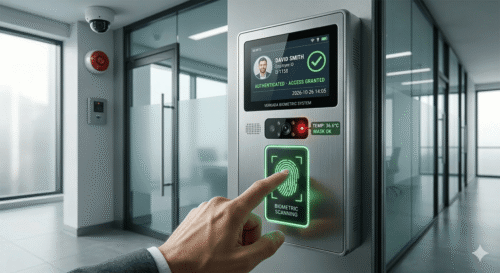
Biometric Fingerprint System: Fingerprint Time Attendance Malaysia Implementation Best Practices
In today’s fast-paced Malaysian business environment, organisations face increasing pressure to streamline operations, enhance security, and maintain accurate employee records. One of the most effective solutions gaining widespread adoption is the implementation of biometric fingerprint systems for time attendance tracking. This technology offers businesses a reliable, efficient, and secure way to manage workforce attendance while eliminating many of the challenges associated with traditional timekeeping methods.
Whether you operate a small office, a large manufacturing facility, or a multi-location enterprise, understanding how to implement a fingerprint time attendance system correctly can significantly improve operational efficiency and employee accountability. This article explores the best practices for implementing biometric fingerprint systems in Malaysia, helping you make informed decisions for your organisation.
Understanding Biometric Fingerprint Time Attendance Systems
A biometric fingerprint system captures and stores unique fingerprint data from employees, using this information to verify identity and record attendance automatically. Unlike traditional methods such as manual timesheets, punch cards, or swipe cards, fingerprint technology cannot be forged or transferred between employees, making it a genuinely secure attendance solution.
These systems work by scanning an employee’s fingerprint, comparing it against stored templates in a secure database, and instantly recording the time of attendance. The process takes just seconds and requires no additional equipment or paperwork from employees. For Malaysian businesses operating in competitive industries, this level of automation and accuracy is increasingly becoming a standard expectation.
Key Benefits of Fingerprint Time Attendance Systems
Implementing a biometric fingerprint system offers numerous advantages to organisations across various sectors:
- Eliminates Time Theft: Fingerprint verification ensures that only the actual employee can record their attendance, preventing buddy clocking and other forms of time fraud.
- Reduces Administrative Burden: Automated attendance recording eliminates manual data entry, freeing up HR staff to focus on strategic tasks.
- Improves Accuracy: Digital records provide precise timestamps and eliminate human error in attendance tracking.
- Enhances Security: Biometric data is unique and cannot be duplicated, providing a robust verification method.
- Increases Accountability: Clear attendance records create a culture of accountability and punctuality among employees.
- Simplifies Payroll Processing: Accurate attendance data integrates seamlessly with payroll systems, reducing calculation errors and processing time.
- Provides Valuable Insights: Digital attendance records can be analysed to identify patterns, peak attendance times, and potential issues.
Best Practices for Implementation in Malaysia
1. Assess Your Business Needs
Before selecting a fingerprint time attendance system, conduct a thorough assessment of your organisation’s specific requirements. Consider factors such as the number of employees, locations, shift patterns, integration needs with existing systems, and budget constraints. Different businesses have different needs—a retail operation may require different features than a manufacturing plant or corporate office.
2. Choose the Right System Provider
Selecting a reliable system provider is crucial for successful implementation. Look for providers with experience in the Malaysian market who understand local business practices and regulatory requirements. The provider should offer strong technical support, regular maintenance, and reliable system uptime to ensure your attendance tracking operates smoothly.
3. Ensure Proper Installation and Setup
The physical placement of biometric fingerprint terminals is important for user adoption and system efficiency. Install terminals in easily accessible locations where employees naturally pass during their arrival and departure times. Ensure adequate lighting and clear signage to help employees understand how to use the system correctly. Proper installation reduces user errors and frustration.
4. Implement a Comprehensive Training Programme
Employee training is essential for successful adoption. Conduct training sessions explaining how the fingerprint system works, why it has been implemented, and how employees should use it. Address common concerns about privacy and data security. Provide written instructions and designate support staff who can assist employees during the initial adjustment period. Proper training significantly improves user acceptance and reduces operational issues.
5. Establish Clear Policies and Procedures
Develop and communicate clear policies regarding how the fingerprint time attendance system will be used. Define expectations around punctuality, grace periods, procedures for handling system failures, and how exceptions will be managed. Ensure these policies comply with Malaysian employment laws and industry standards. Clear policies prevent misunderstandings and provide a framework for consistent implementation.
6. Prioritise Data Security and Privacy
Biometric data is sensitive personal information and must be protected appropriately. Ensure your chosen system includes robust security features such as encryption, secure data storage, and access controls. Establish protocols for data handling and retention. Communicate to employees how their biometric data will be stored and protected. In Malaysia, employers should ensure compliance with relevant data protection regulations and best practices regarding employee information.
7. Plan for System Integration
A fingerprint time attendance system should integrate effectively with your existing HR, payroll, and access control systems if applicable. Discuss integration requirements with your system provider during the selection phase. Seamless integration reduces manual data transfer, minimises errors, and maximises the value of your investment.
8. Monitor Performance and Gather Feedback
After implementation, regularly monitor system performance and gather feedback from both employees and managers. Track key metrics such as system uptime, user compliance rates, and data accuracy. Use this information to identify issues early and make necessary adjustments. Continuous monitoring ensures the system continues to meet your organisation’s needs effectively.
Common Implementation Challenges and Solutions
Employee Resistance
Some employees may be hesitant about using biometric systems due to privacy concerns or unfamiliarity with the technology. Address this by providing thorough communication about why the system is being implemented, how it works, and how their data is protected. Emphasise the benefits, such as reduced time for attendance verification and faster payroll processing. Gradual implementation with clear support can help overcome resistance.
System Technical Issues
Network connectivity problems, device malfunctions, or software glitches can disrupt attendance tracking. Establish a maintenance schedule with your system provider and have backup procedures in place for system failures. Ensure your IT support team understands how to troubleshoot common issues quickly. Regular maintenance prevents many technical problems before they occur.
Biometric Template Issues
Some employees may experience difficulty with fingerprint recognition due to worn fingerprints, dirt, or other factors. Ensure devices are kept clean and employees are trained to use them correctly. Most quality systems allow multiple fingerprints to be registered per employee, which improves recognition reliability. Your system provider should offer support for re-enrolling employees if needed.
Compliance and Regulatory Considerations in Malaysia
When implementing a fingerprint time attendance system in Malaysia, employers should be aware of relevant employment and data protection considerations. Employment regulations in Malaysia require accurate record-keeping of working hours and employee attendance. A biometric system supports compliance with these requirements by providing accurate, auditable records.
Regarding data protection, ensure your system and practices align with applicable Malaysian regulations and best practices for handling personal data. It is advisable to consult with your legal or HR department regarding specific compliance requirements applicable to your organisation. Employment laws and regulations can change, so it is prudent to verify current requirements with the relevant Malaysian authorities or professional advisors as needed.
How Smart Touch Technology Can Help
Smart Touch Technology provides biometric fingerprint solutions specifically designed to meet the needs of Malaysian businesses. Our fingerprint time attendance systems are built with reliability, ease of use, and security at the forefront. Whether you are implementing a system for the first time or upgrading from an existing solution, Smart Touch Technology offers products that integrate smoothly with your existing operations and support your attendance management requirements.
Our team understands the Malaysian business landscape and provides technical support tailored to local needs. We help organisations implement best practices from the planning stage through to successful deployment and ongoing support.
Click here to find out how the product works: https://www.smartouch.com.my/category/time-clock/biometric-fingerprint/
Conclusion
Implementing a biometric fingerprint system for time attendance is a strategic investment that can transform how Malaysian organisations manage workforce attendance. By following best practices—including proper needs assessment, careful system selection, comprehensive training, clear policies, and attention to data security—businesses can ensure successful implementation and realise the full benefits of this technology.
The key to success lies in viewing the fingerprint time attendance system not merely as a technology installation, but as an operational change that requires planning, communication, and ongoing management. When implemented thoughtfully, biometric fingerprint systems enhance accuracy, reduce fraud, improve efficiency, and create a more professional and accountable work environment.
Whether you are a small business looking to streamline attendance tracking or a large enterprise managing multiple locations, a properly implemented biometric fingerprint system can deliver significant value. Start by assessing your needs, selecting a reliable provider, and committing to thorough implementation practices that ensure employee buy-in and system reliability.
Smart Touch Technology Pte Ltd
Singapore: www.smartouch.com.sg | +65-63964767 | sales@smartouch.com.sg
Malaysia: www.smartouch.com.my | +607-3889903 | sales@smartouch.com.my