In today’s fast-changing business environment, workforce management has evolved far beyond traditional office-based operations. Companies across Malaysia are increasingly managing hybrid teams, remote employees, multiple branches, mobile workforces, and flexible working arrangements. As organizations adapt to modern work models, traditional attendance tracking methods such as punch cards, manual registers, spreadsheets, and standalone biometric devices are no longer sufficient.
Businesses now require smarter, more flexible, and real-time workforce management solutions that can operate anytime and anywhere. This is why cloud-based time and attendance systems have become essential for modern organizations.
Cloud-based attendance management allows businesses to monitor employee attendance, track working hours, manage shifts, and oversee workforce activities remotely through centralized online platforms. With real-time accessibility, automation, and intelligent reporting, cloud attendance systems help businesses improve productivity, operational efficiency, and workforce accountability.
This article explores how cloud-based time and attendance systems are transforming workforce management in Malaysia and why businesses are increasingly adopting smart cloud solutions to manage teams from anywhere.
What Is a Cloud-Based Time & Attendance System?
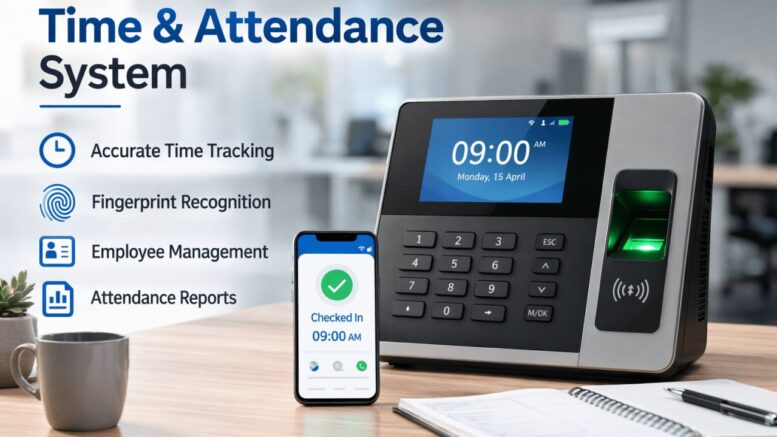
A cloud-based time and attendance system is a digital workforce management platform that records employee attendance data through online cloud infrastructure rather than traditional local hardware systems.
Employees can clock in and out using various methods such as:
- Biometric scanners
- Mobile apps
- Face recognition systems
- Fingerprint devices
- RFID access cards
- GPS-enabled smartphones
- QR code systems
The attendance data is automatically synchronized to a secure cloud platform where HR managers and supervisors can access real-time information from anywhere.
Cloud systems centralize workforce management while improving flexibility, automation, and scalability.
Why Traditional Attendance Systems Are Becoming Outdated
Traditional attendance systems often rely on standalone hardware and manual administrative processes.
These older systems commonly create challenges such as:
- Limited remote access
- Delayed attendance updates
- Manual data entry
- Payroll calculation errors
- Difficult multi-branch management
- Hardware maintenance costs
- Attendance fraud
- Poor reporting visibility
As businesses become more mobile and distributed, manual attendance systems struggle to support modern operational requirements.
Cloud technology solves these limitations by providing centralized and real-time workforce management capabilities.
Benefits of Cloud-Based Time & Attendance Systems
1. Manage Your Workforce from Anywhere
One of the biggest advantages of cloud-based attendance systems is remote accessibility.
HR managers and business owners can monitor workforce activities anytime using:
- Smartphones
- Tablets
- Laptops
- Web browsers
Whether managing employees across multiple offices, remote teams, retail branches, or field staff, cloud systems provide real-time visibility from virtually anywhere.
This flexibility is especially valuable for businesses with mobile or hybrid workforces.
Real-Time Attendance Monitoring
Traditional attendance systems often require manual synchronization or delayed data uploads.
Cloud-based platforms provide real-time attendance tracking, allowing management to instantly view:
- Employee clock-ins
- Late arrivals
- Absences
- Overtime records
- Shift attendance
- Remote worker activity
Real-time monitoring improves workforce accountability and enables faster operational decision-making.
Managers can respond quickly to staffing issues and scheduling gaps.
Improved Accuracy and Reduced Human Error
Manual attendance tracking is highly vulnerable to human mistakes such as:
- Incorrect timesheets
- Duplicate entries
- Miscalculations
- Missing records
- Payroll discrepancies
Cloud-based attendance systems automate data collection and synchronization, significantly improving accuracy.
Automated attendance records help ensure:
- Accurate payroll processing
- Reliable overtime calculations
- Correct leave deductions
- Consistent workforce reporting
Improved accuracy also strengthens employee trust and operational transparency.
Seamless Payroll Integration
Attendance data directly impacts payroll accuracy.
Cloud attendance systems can integrate with payroll software to automate:
- Working hour calculations
- Overtime tracking
- Leave deductions
- Shift allowances
- Attendance-based payroll reporting
This eliminates repetitive manual calculations and reduces payroll processing time.
Integrated HR and payroll systems improve overall operational efficiency while minimizing salary disputes and administrative workload.
Support for Remote and Hybrid Workforces
Modern businesses increasingly support:
- Remote work
- Hybrid work arrangements
- Mobile field operations
- Flexible working hours
Traditional office-based attendance systems are not designed for these work models.
Cloud attendance platforms support remote workforce management through:
- Mobile attendance apps
- GPS location tracking
- Geofencing technology
- Cloud-based approvals
- Real-time synchronization
Organizations can monitor workforce attendance regardless of employee location.
Enhanced Employee Convenience
Employees today expect digital convenience and flexibility.
Cloud attendance systems allow employees to:
- Clock in remotely
- Check attendance records
- Review work schedules
- Submit attendance corrections
- Access leave balances
- Receive notifications
Self-service functionality improves employee experience while reducing repetitive HR inquiries.
Digital workforce tools contribute to a more modern and efficient workplace culture.
Multi-Branch Workforce Management
Businesses operating across multiple locations often face challenges managing attendance consistently.
Cloud-based systems centralize attendance management across:
- Offices
- Factories
- Warehouses
- Retail stores
- Branch outlets
- Construction sites
HR departments can monitor all locations from a single platform without needing separate local systems.
This improves operational consistency and simplifies workforce administration.
Biometric and Face Recognition Integration
Modern cloud attendance systems integrate with advanced authentication technologies such as:
- Fingerprint scanners
- Facial recognition systems
- RFID access control
- Mobile authentication
- QR code scanning
Biometric integration improves attendance accuracy by eliminating practices such as:
- Buddy punching
- Unauthorized clock-ins
- Attendance fraud
Advanced authentication strengthens workforce accountability and security management.
Automated Shift Scheduling and Workforce Planning
Managing employee schedules manually can become extremely complicated, especially for businesses operating multiple shifts.
Cloud attendance systems help automate:
- Shift scheduling
- Rotating shifts
- Overtime management
- Holiday scheduling
- Workforce allocation
Managers gain better visibility into workforce availability and operational coverage.
Automated scheduling improves productivity while reducing staffing conflicts.
Better Reporting and Workforce Analytics
Data-driven workforce management is becoming increasingly important for modern businesses.
Cloud attendance platforms generate detailed reports such as:
- Attendance summaries
- Overtime analysis
- Productivity tracking
- Absence trends
- Workforce utilization
- Shift performance reports
These insights help management make informed decisions regarding staffing, operational planning, and productivity improvements.
Advanced analytics improve overall workforce optimization.
Reduced Administrative Burden for HR Teams
Manual attendance administration often consumes significant HR resources.
Tasks such as:
- Updating spreadsheets
- Verifying timesheets
- Handling corrections
- Preparing reports
- Calculating overtime
can become repetitive and time-consuming.
Cloud-based automation reduces administrative workload and allows HR teams to focus on strategic responsibilities such as:
- Employee engagement
- Talent management
- Organizational development
- Recruitment
This improves overall HR productivity and operational efficiency.
Improved Data Security and Backup Protection
Paper attendance records and local storage systems are vulnerable to:
- Data loss
- Hardware failure
- Unauthorized access
- Record damage
Cloud attendance systems provide secure digital storage using:
- Data encryption
- Automated cloud backups
- User access controls
- Secure authentication
This ensures attendance records remain protected and accessible whenever needed.
Cloud infrastructure also improves disaster recovery readiness.
Scalability for Growing Businesses
Cloud-based systems are highly scalable and suitable for organizations of all sizes.
Whether managing:
- Small businesses
- SMEs
- Large enterprises
- Multi-national companies
cloud attendance platforms can adapt to changing workforce requirements.
Businesses can easily add:
- More employees
- Additional locations
- New departments
- Advanced features
without replacing existing infrastructure.
Scalability makes cloud systems ideal long-term workforce management solutions.
Cost Savings Through Automation
Traditional attendance management often involves hidden costs such as:
- Manual administrative labor
- Hardware maintenance
- Payroll errors
- Paper documentation
- IT infrastructure expenses
Cloud-based systems reduce operational costs through automation and centralized management.
Long-term savings often include:
- Reduced administrative workload
- Improved payroll accuracy
- Lower hardware dependency
- Minimized operational disruptions
The return on investment for cloud workforce solutions is often substantial.
Supporting Digital Transformation in Malaysia
Malaysia is rapidly embracing digital transformation across industries.
Organizations are modernizing operations to improve:
- Workforce mobility
- Operational efficiency
- Employee experience
- Productivity
- Data visibility
Cloud-based workforce management systems are becoming key components of this transformation.
Businesses adopting digital attendance solutions position themselves for future growth and operational competitiveness.
Suitable for Multiple Industries
Cloud attendance systems are widely used across industries such as:
Manufacturing
Factories require accurate shift tracking and workforce monitoring.
Retail
Retail businesses manage attendance across multiple branch locations.
Construction
Construction companies monitor mobile and project-based workers.
Healthcare
Hospitals and clinics require accurate shift scheduling and attendance reporting.
Education
Schools and universities use attendance systems for staff management.
Logistics
Logistics companies manage distributed operational teams and drivers.
The Future of Workforce Attendance Management
Attendance technology continues evolving rapidly with innovations such as:
- AI-powered workforce analytics
- Facial recognition attendance
- Mobile-first attendance systems
- Cloud HR ecosystems
- Predictive workforce management
- Smart scheduling automation
Future workforce management solutions will focus heavily on flexibility, mobility, automation, and real-time intelligence.
Cloud-based attendance systems will remain essential for businesses adapting to future work environments.
Why Malaysian Businesses Are Choosing Cloud Attendance Solutions
Organizations throughout Malaysia are increasingly selecting cloud-based time and attendance systems because they provide:
- Anywhere workforce access
- Real-time attendance tracking
- Payroll integration
- Improved accuracy
- Remote workforce support
- Mobile accessibility
- Automated reporting
- Scalable workforce management
These benefits help businesses improve operational control while supporting modern workforce expectations.
Conclusion
Cloud-based time and attendance systems have transformed workforce management by providing businesses with flexible, real-time, and intelligent tools to manage teams from anywhere.
From remote work support and attendance automation to payroll integration and workforce analytics, cloud attendance platforms deliver powerful operational advantages for modern organizations.
As businesses across Malaysia continue embracing digital transformation and flexible work environments, cloud-based workforce management systems will remain critical for improving productivity, operational efficiency, and employee experience.
Organizations seeking smarter, more scalable, and future-ready workforce solutions can greatly benefit from implementing cloud-based time and attendance systems as part of their digital HR transformation strategy.
Interested in this product? Click here to learn more: https://www.smartouch.com.my/time-and-attendance-malaysia/
Smart Touch technology pte ltd , www.smartouch.com.sg +65-63964767, sales@smartouch.com.sg , www.smartouch.com.my +607-3889903 sales@smartouch.com.my