Cloud vs On-Premise Leave System Malaysia: Which Is Right for Your Organisation?
Managing employee leave has become increasingly complex for Malaysian organisations. With the rise of hybrid work arrangements, remote employees, and evolving employment regulations, choosing the right leave management system is crucial. One of the most significant decisions organisations face is whether to implement a cloud-based leave system or an on-premise solution. Both approaches offer distinct advantages and considerations that can significantly impact operational efficiency, cost management, and employee satisfaction.
This guide explores the key differences between cloud and on-premise leave systems in Malaysia, helping you make an informed decision that aligns with your organisation’s needs and long-term goals.
Understanding Cloud-Based Leave Systems
A cloud-based leave system operates on servers hosted by a third-party provider. Your organisation accesses the system through the internet via a web browser or mobile application. The provider manages all infrastructure, software updates, security patches, and system maintenance.
Cloud leave systems are increasingly popular among Malaysian organisations seeking flexibility and scalability. They allow employees to request leave from anywhere, approve requests remotely, and access their leave balance instantly through any device with internet connectivity.
Key Characteristics of Cloud Solutions
- Subscription-based pricing model with predictable monthly or annual costs
- Automatic software updates and feature improvements without manual intervention
- Accessibility from any location with internet connection
- Scalability to accommodate growing organisations without infrastructure upgrades
- Provider manages security, backups, and disaster recovery
- Faster deployment and implementation timelines
Understanding On-Premise Leave Systems
An on-premise leave system is installed and maintained on your organisation’s own servers and infrastructure. Your IT department manages all aspects of the system, including updates, security, backups, and technical support.
On-premise solutions offer organisations complete control over their leave management processes and data. Many established Malaysian companies prefer this approach, particularly those with strict data governance requirements or complex organisational structures.
Key Characteristics of On-Premise Solutions
- One-time or substantial upfront licensing costs
- Organisation’s IT team manages all maintenance and updates
- Data remains entirely within your organisation’s infrastructure
- Full customisation capabilities to match specific business processes
- Requires dedicated IT resources and expertise
- Longer implementation timelines due to infrastructure setup
Cost Considerations: Cloud vs On-Premise
Cost is often the primary factor when comparing these two approaches. Understanding the financial implications helps organisations make decisions aligned with their budgets and financial planning.
Cloud System Costs
Cloud-based leave systems typically operate on a subscription model with per-user monthly or annual fees. This creates predictable operational expenses. Organisations benefit from included software updates, security maintenance, and technical support within the subscription fee, eliminating unexpected costs for system upgrades.
For Malaysian organisations with fluctuating headcount, this flexibility is valuable. You can easily scale up or down based on employee numbers without capital investment in additional infrastructure.
On-Premise System Costs
On-premise solutions require significant upfront capital investment for software licenses, servers, and infrastructure setup. Beyond initial costs, organisations must budget for:
- Annual software licensing fees or maintenance agreements
- IT personnel salaries to manage the system
- Regular hardware maintenance and eventual replacement
- Security infrastructure and compliance implementations
- System upgrades and patches
While these ongoing costs can accumulate, organisations with large employee bases and long planning horizons may find on-premise solutions cost-effective over extended periods.
Security and Compliance for Malaysian Organisations
Data security is paramount, particularly given Malaysia’s regulatory environment. Both cloud and on-premise systems can meet stringent security requirements when properly implemented.
Cloud Security Advantages
Reputable cloud providers invest heavily in enterprise-grade security infrastructure, including encryption, firewalls, intrusion detection systems, and regular security audits. They maintain dedicated security teams monitoring threats continuously. For Malaysian organisations handling sensitive employee data, this professional approach often exceeds what smaller IT departments can provide independently.
On-Premise Security Advantages
On-premise systems keep all data within your organisation’s control, eliminating concerns about third-party data handling. Organisations with specific regulatory requirements or data sovereignty concerns may prefer this approach. However, this requires your organisation to maintain robust security measures independently.
When evaluating leave systems, confirm that any solution complies with relevant Malaysian data protection regulations and employment standards. It’s advisable to consult with your legal and compliance teams regarding specific requirements for your organisation.
Implementation and Deployment Timeline
The time required to deploy a leave system varies significantly between cloud and on-premise approaches.
Cloud Implementation Speed
Cloud-based leave systems typically deploy rapidly, often within weeks. The provider handles infrastructure setup, so your organisation focuses on configuration, user training, and data migration. This quick deployment allows organisations to realise benefits faster.
On-Premise Implementation Duration
On-premise solutions require longer implementation timelines. Your IT team must procure hardware, install software, configure the system, establish backups and disaster recovery protocols, and conduct thorough testing. This process can extend several months, particularly for larger organisations with complex requirements.
For Malaysian organisations needing rapid solutions to leave management challenges, cloud systems offer distinct advantages in time-to-value.
Scalability and Growth Flexibility
As organisations grow, their leave management needs evolve. Scalability considerations are essential for long-term planning.
Cloud Scalability
Cloud systems scale seamlessly. Adding new users, locations, or processing additional leave requests requires no infrastructure upgrades. This makes cloud solutions ideal for organisations experiencing growth, planning expansion, or opening new regional offices across Malaysia.
On-Premise Scalability
On-premise systems scale through hardware upgrades and capacity expansions. Significant growth may necessitate server upgrades, additional storage, and infrastructure investments. While possible, this process requires planning and capital allocation.
Customisation and Control
Different organisations have unique leave management processes aligned with their industry, structure, and policies.
Cloud System Customisation
Cloud-based leave systems offer configuration options through standard settings and workflows. While many providers offer customisation capabilities, there are practical limits to modifications without affecting system performance and provider support.
On-Premise Customisation
On-premise solutions provide extensive customisation possibilities. Your developers can modify code, adjust workflows, integrate with internal systems, and adapt the solution to match specific business requirements precisely. This flexibility suits organisations with highly specialised leave policies or unique operational needs.
Integration with Existing Systems
Most organisations use multiple systems for payroll, human resources, and employee management. Integration capabilities are important for operational efficiency.
Cloud leave systems often integrate with popular payroll and HR platforms through standard APIs and pre-built connectors. This facilitates data synchronisation and reduces manual data entry.
On-premise solutions can integrate deeply with existing internal systems. Your IT department can develop custom integrations aligned with your organisation’s technical architecture and requirements.
Maintenance and Technical Support
System maintenance requirements differ significantly between these approaches.
Cloud Maintenance Responsibility
The cloud provider manages all maintenance, security patches, and system updates automatically. Your IT team isn’t burdened with technical maintenance tasks, allowing focus on other priorities.
On-Premise Maintenance Responsibility
Your organisation bears complete maintenance responsibility. This includes applying security patches, performing backups, managing storage capacity, and troubleshooting issues. For many Malaysian organisations, this demands dedicated IT resources and technical expertise.
Data Accessibility and Business Continuity
Both approaches should ensure reliable access to leave data and maintain business continuity.
Cloud systems provide high availability through redundant infrastructure, automatic failover, and geographically distributed data centres. Your leave management continues uninterrupted even if your local internet connection experiences temporary issues (through offline capabilities) or your office becomes unavailable.
On-premise systems depend on your organisation’s infrastructure and planning. Robust backup strategies, disaster recovery plans, and redundant systems ensure business continuity, but these require investment and planning.
Employee Experience and Accessibility
The leave system directly impacts how employees manage their time off. User experience is important for adoption and satisfaction.
Cloud-based leave systems typically offer modern, intuitive interfaces optimised for mobile devices. Employees can submit requests, check leave balances, and receive approvals through smartphones or tablets from anywhere. This aligns well with modern work expectations, particularly for Malaysian organisations embracing flexible work arrangements.
On-premise systems may offer similar functionality, depending on the solution chosen and how customisation has been implemented.
How Smart Touch Technology Can Help
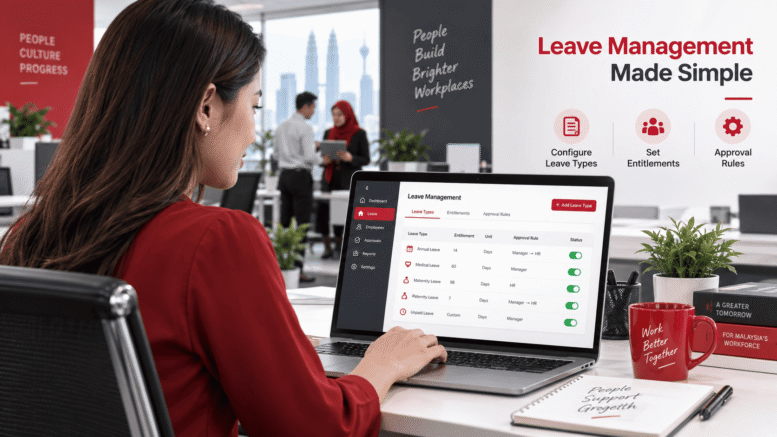
Smart Touch Technology provides comprehensive leave management solutions designed for Malaysian organisations. The E Leave System simplifies employee leave requests, approvals, and tracking while maintaining compliance with local employment practices.
Whether your organisation is evaluating cloud or on-premise approaches, understanding your specific requirements is essential. Smart Touch Technology’s E Leave System offers modern functionality that addresses common leave management challenges faced by Malaysian employers.
For a complete breakdown of features and modules, visit our product page here: https://www.smartouch.com.my/e-leave-system/. Our team can help you understand how the solution aligns with your organisation’s specific needs and infrastructure preferences.
Conclusion
Choosing between cloud and on-premise leave systems requires careful consideration of your organisation’s unique circumstances. Cloud-based solutions offer rapid deployment, scalability, and reduced IT burden—ideal for organisations prioritising speed and flexibility. On-premise systems provide control, customisation, and data sovereignty—suitable for organisations with specific requirements and available IT resources.
For Malaysian organisations, the decision should align with your budget, technical capabilities, growth plans, regulatory requirements, and long-term business strategy. Many organisations successfully use cloud-based systems for their reliability and modern features, while others benefit from on-premise control and customisation.
Evaluate your organisation’s specific needs, assess both approaches thoroughly, and consider how each impacts your employees, IT team, and business operations. The right choice enhances efficiency, improves employee experience, and supports your organisation’s continued success.
Smart Touch Technology Pte Ltd
Singapore: www.smartouch.com.sg | +65-63964767 | sales@smartouch.com.sg
Malaysia: www.smartouch.com.my | +607-3889903 | sales@smartouch.com.my