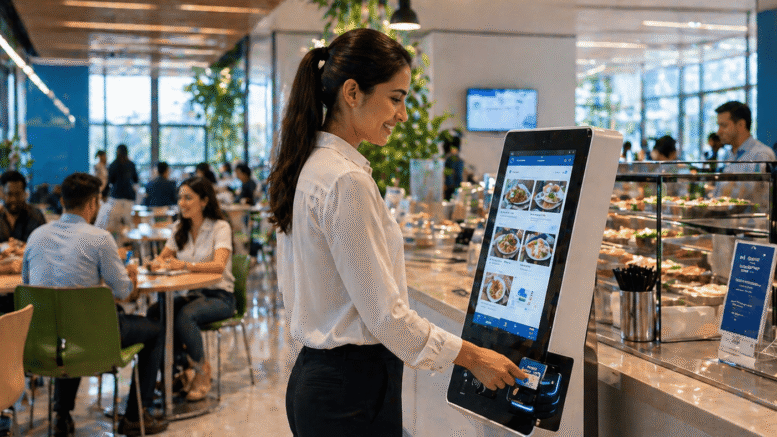
School canteens play a vital role in the daily operations of educational institutions across Malaysia. They serve not just as places where students and staff purchase meals, but as important spaces that contribute to the overall school experience. However, traditional canteen operations often face significant challenges—from long queues during peak hours to inefficient payment processing and inventory management issues.
As schools evolve and embrace digital transformation, the way canteens operate is changing too. A digital smart school canteen represents a modern solution designed to address these operational challenges while enhancing convenience for both students and canteen staff. By integrating technology into food service operations, schools can streamline processes, improve efficiency, and create a better experience for everyone involved.
Understanding the Digital Smart School Canteen Concept
A digital smart school canteen refers to a canteen system that uses technology to manage and enhance various aspects of food service operations. Rather than relying solely on manual processes, a digital approach incorporates software solutions and systems that automate key functions.
In a traditional setup, students queue at counters, place orders verbally, wait for food to be prepared, and then pay—often using cash. This process can be time-consuming, especially during busy periods like lunch breaks. A digital smart canteen changes this workflow by introducing organised systems for ordering, payment, and inventory management.
Key Challenges in Traditional School Canteens
Before exploring solutions, it’s important to understand the problems that digital systems aim to solve.
Long Queue Times
During peak hours, school canteens experience congestion as hundreds of students attempt to purchase food within a limited timeframe. This reduces study time, creates student frustration, and can lead to some students skipping meals altogether due to time constraints.
Payment Processing Issues
Managing cash payments in a busy canteen environment is challenging. It creates security concerns, requires constant cash handling and reconciliation, and slows down the transaction process. Students who forget to bring cash may be unable to purchase meals.
Inventory Management Problems
Without proper tracking systems, canteen operators struggle to maintain optimal inventory levels. This can result in food wastage, stockouts of popular items, or over-purchasing of slow-moving products.
Limited Menu Visibility
Students often don’t know what food is available until they reach the canteen counter. This makes it difficult to plan purchases and can lead to disappointment if favourite items have sold out.
Data and Reporting Gaps
Traditional canteens lack real-time visibility into sales data, customer preferences, and operational metrics. This makes it difficult for canteen managers to make informed decisions about menu offerings or staffing needs.
How Digital Smart Canteen Solutions Work
A digital smart school canteen integrates multiple components to create a cohesive system. Here’s how these systems typically function:
Online Ordering and Pre-Ordering
Students can view the menu, check food availability, and place orders through a digital platform—whether a mobile app or web portal. Pre-ordering allows students to arrange meals in advance, reducing wait times during service hours.
Cashless Payment Integration
Digital systems typically support multiple payment methods, including student ID cards, mobile wallets, or school-linked accounts. This eliminates the need for cash and speeds up transactions significantly.
Real-Time Inventory Tracking
The system tracks stock levels of ingredients and prepared items in real time. This helps prevent stockouts and reduces food wastage by providing data on what sells well.
Menu Management
Canteen operators can easily update menus, highlight special items, indicate sold-out products, and manage pricing through the digital platform. This information is immediately visible to students.
Sales Analytics and Reporting
The system generates reports on sales patterns, popular items, peak hours, and customer preferences. These insights help with menu planning and operational improvements.
Benefits of Implementing a Digital Smart School Canteen
The advantages of moving to a digital canteen system extend to multiple stakeholders within the school community.
For Students
- Reduced wait times through pre-ordering and streamlined service
- Convenient payment without needing to carry cash
- Clear visibility of menu options and availability before visiting the canteen
- More time to study or socialise during breaks
For Canteen Operators
- Better forecasting of demand based on pre-orders
- Reduced manual payment processing and reconciliation
- Improved inventory management with real-time data
- Insights into which items are most popular
- Streamlined operations and reduced administrative work
For Schools
- Enhanced operational efficiency and reduced costs
- Better data for decision-making regarding food service
- Improved student satisfaction with canteen services
- Reduced cash handling and associated security risks
- Contribution to overall digital transformation goals
Implementation Considerations for Malaysian Schools
Introducing a digital smart canteen requires careful planning and consideration of several factors.
Technology Infrastructure
Schools need reliable internet connectivity and devices for the system to function properly. Consideration should be given to Wi-Fi coverage in canteen areas and whether students will use personal devices or school-provided terminals.
Staff Training
Canteen staff and administrators will need training on how to use the new system. This includes learning the software platform, understanding data entry processes, and troubleshooting common issues.
Student Adoption
Students need to understand how to use the platform. Clear communication, user-friendly design, and initial support during the transition period are important for successful adoption.
Payment Method Setup
Schools need to decide on payment mechanisms—whether through school ID cards, mobile apps, or existing school account systems. Integration with existing payment infrastructure should be planned.
Data Security and Privacy
Any digital system handling student information and payment data must maintain appropriate security standards. Schools should verify that systems comply with relevant data protection requirements and best practices.
Smart Touch Technology’s Smart Canteen Solution
Smart Touch Technology offers a smart canteen solution designed to address the operational challenges faced by educational institutions. The system provides a comprehensive digital platform that enables schools to modernise their food service operations efficiently.
The Smart Touch smart canteen solution helps schools implement digital ordering, payment processing, and inventory management in a coordinated way. Rather than adopting multiple separate tools, schools get an integrated system where all these functions work together seamlessly.
By implementing a solution like Smart Touch’s smart canteen, schools can transition from traditional manual processes to a modern, efficient system that benefits students, staff, and school operations overall. The platform supports the digital transformation journey that many Malaysian schools are undertaking.
Making the Transition Smooth
Successfully implementing a digital smart school canteen requires more than just installing technology. It involves planning, communication, and gradual implementation.
Schools should start by identifying their specific challenges and objectives. What problems do you most want to solve—long queues, cash handling, inventory issues, or something else? Understanding your priorities helps in selecting the right solution and planning implementation effectively.
A phased approach works well for many schools. Rather than switching everything at once, you might start with pre-ordering and payment processing, then add inventory features later. This allows staff and students to adapt gradually while maintaining service continuity.
Clear communication is essential. Students need to understand why the change is happening and how to use the new system. Staff need training and support. Parents should be informed about how the system works, especially regarding payment methods.
The Future of School Canteen Operations
Digital smart school canteens represent an important evolution in how educational institutions manage food service. As technology becomes more accessible and user-friendly, adoption of these systems is likely to increase across Malaysian schools.
Beyond immediate operational benefits, digital canteen systems support broader educational goals. They free up student time during breaks, reduce stress for canteen staff, and provide valuable data for school management. They also prepare students for a more digital world where online ordering and digital payment are increasingly common.
As schools continue their digital transformation journey, modernising the canteen presents a practical opportunity with direct, visible benefits for the entire school community.
Get Started with a Smart Canteen Solution
If your school is considering implementing a digital smart canteen, the first step is to evaluate your current challenges and explore solutions that align with your needs. Contact Smart Touch Technology to learn how our smart canteen solution can help transform your school’s food service operations and improve the experience for students and staff alike.
Conclusion
A digital smart school canteen is more than a technology upgrade—it’s a comprehensive improvement to how schools manage food service operations. By addressing challenges like long queues, cash handling, and inventory management, these systems create a better experience for students and more efficient operations for schools.
For Malaysian educational institutions looking to modernise their canteen operations and contribute to their overall digital transformation, a digital smart canteen solution represents a practical, impactful investment. With proper planning, staff training, and student communication, schools can successfully transition to a system that benefits everyone involved.
The move towards digital smart school canteens reflects the broader evolution of education in Malaysia, where technology is increasingly integrated to enhance learning environments and school operations. By adopting these solutions, schools position themselves at the forefront of this positive change.