Managing unpaid leave whilst maintaining Employment Insurance System (EIS) compliance is a critical responsibility for Malaysian employers. Unpaid leave policies directly impact both employee welfare and organisational compliance with Malaysian labour regulations. Understanding how to handle unpaid leave in accordance with EIS requirements protects your business from potential penalties and ensures fair treatment of your workforce.
This guide explores the key aspects of EIS compliance related to unpaid leave in Malaysia, helping employers navigate the complexities of leave management whilst staying compliant with legal obligations.
Understanding EIS and Its Role in Leave Management
The Employment Insurance System (EIS) is a mandatory social security scheme administered by SOCSO (Social Security Organisation) in Malaysia. It provides protection to employees against the risk of employment injury, occupational disease, and invalidity.
Whilst EIS is primarily focused on employment-related risks and benefits, it intersects with leave management in several important ways. Employers must understand how unpaid leave affects EIS contributions, employee eligibility, and benefit calculations. Proper management of unpaid leave ensures that your organisation remains compliant with SOCSO requirements and protects both employee and employer interests.
What Is Unpaid Leave in the Malaysian Context?
Unpaid leave refers to authorised absence from work for which an employee receives no salary or wage payment. Unlike paid leave (such as annual leave, medical leave, or public holidays), unpaid leave is typically granted at the employer’s discretion and may be taken for personal reasons, extended medical situations, or other circumstances not covered by statutory leave entitlements.
In Malaysia, the Employment Act provides a framework for leave entitlements, but unpaid leave provisions may vary depending on company policy, employment contracts, and industry practice. It is essential for employers to have clear unpaid leave policies documented and communicated to all employees.
Common Types of Unpaid Leave
- Personal unpaid leave: Granted for personal reasons or emergencies
- Extended medical leave: When an employee exhausts paid medical leave entitlements
- Compassionate leave (unpaid): For family emergencies or bereavement beyond statutory entitlements
- Career break or sabbatical: Extended unpaid absence for career development or personal reasons
- Maternity-related unpaid leave: Additional leave beyond statutory maternity benefits
EIS Compliance Requirements for Unpaid Leave
When employees take unpaid leave, several EIS compliance considerations arise. Employers must ensure that unpaid leave is properly documented, and that it does not inadvertently affect an employee’s EIS coverage or contributions.
EIS Contribution During Unpaid Leave
During periods of unpaid leave, the employee is not receiving wages. However, the question of whether EIS contributions continue to be payable depends on the duration and nature of the unpaid leave. Generally, if an employee remains on the company’s payroll and the employment relationship continues, EIS contributions should continue in accordance with SOCSO regulations.
It is important to consult the latest guidelines from SOCSO or your Human Resources advisory team to ensure proper treatment of EIS contributions during unpaid leave periods, as regulations and interpretations may change.
Employee Status and Benefit Eligibility
Unpaid leave must be properly managed to ensure that the employee’s EIS status remains clear. If an employee is on extended unpaid leave, this should not be treated as termination of employment unless the company policy or employment contract specifically states otherwise.
Proper documentation of unpaid leave is essential. This includes:
- Written approval or authorisation from management
- Clear start and end dates of the unpaid leave period
- Confirmation that the employment relationship continues
- Records of any communication regarding return-to-work arrangements
Payroll and Record-Keeping
Accurate payroll records are fundamental to EIS compliance. During unpaid leave periods, the employee’s wages will be zero or reduced, depending on the arrangement. These records must clearly reflect the unpaid leave status and must be maintained in accordance with both employment law and SOCSO requirements.
Your payroll system must be capable of accurately tracking unpaid leave and generating reports that demonstrate compliance. Inaccurate or incomplete records can lead to disputes with SOCSO, potential penalties, and difficulties in processing employee claims.
Common Compliance Challenges with Unpaid Leave
Many Malaysian employers face challenges when managing unpaid leave in relation to EIS compliance. Understanding these common issues can help your organisation avoid problems.
Documentation and Record-Keeping Gaps
One of the most frequent issues is inadequate documentation of unpaid leave. Without clear written records, disputes may arise regarding whether leave was actually authorised, how long it lasted, and what the employment status was during that period. Poor documentation can complicate SOCSO inquiries and employee benefit claims.
Inconsistent Policy Application
When unpaid leave policies are not consistently applied across the organisation, it creates compliance risks and potential fairness issues. Different treatment of similar situations can raise questions about policy adherence and may complicate regulatory compliance.
Unclear Communication with Employees
Employees may not fully understand the implications of taking unpaid leave, particularly regarding EIS coverage, benefits, or their return-to-work obligations. This can lead to misunderstandings and disputes.
Integration with Payroll Systems
If your payroll and leave management systems are not properly integrated, there is a higher risk of errors in wage calculations, contribution calculations, and record-keeping. Manual processes are prone to mistakes and make it difficult to demonstrate compliance.
Best Practices for EIS Compliance with Unpaid Leave
To ensure your organisation remains compliant with EIS regulations whilst managing unpaid leave effectively, consider implementing these best practices:
Develop Clear Unpaid Leave Policies
Document your unpaid leave policy comprehensively, covering eligibility criteria, approval processes, duration limits, and the impact on benefits and employment status. Ensure the policy is communicated clearly to all employees and is consistently applied.
Maintain Detailed Records
Keep thorough documentation of all unpaid leave requests, approvals, and periods. Records should include the employee’s name, leave dates, reason for leave, approval authorisation, and confirmation of employment status during the leave period.
Ensure Accurate Payroll Processing
Implement payroll processes that accurately reflect unpaid leave in wage and contribution calculations. Your payroll system should be able to distinguish between different types of leave and apply the correct financial treatment to each.
Communicate With Employees
Before an employee takes unpaid leave, provide clear information about how it will affect their pay, benefits, and return-to-work arrangements. Put this communication in writing to avoid misunderstandings.
Stay Updated on Regulations
EIS regulations and SOCSO guidelines may change. Regularly review updates from SOCSO and consult with employment law professionals to ensure your policies and practices remain compliant.
Coordinate HR and Payroll Functions
Ensure that your Human Resources and Payroll departments work together seamlessly. HR should communicate leave approvals clearly to Payroll, and Payroll should maintain accurate records that HR can reference.
How Smart Touch Technology Can Help
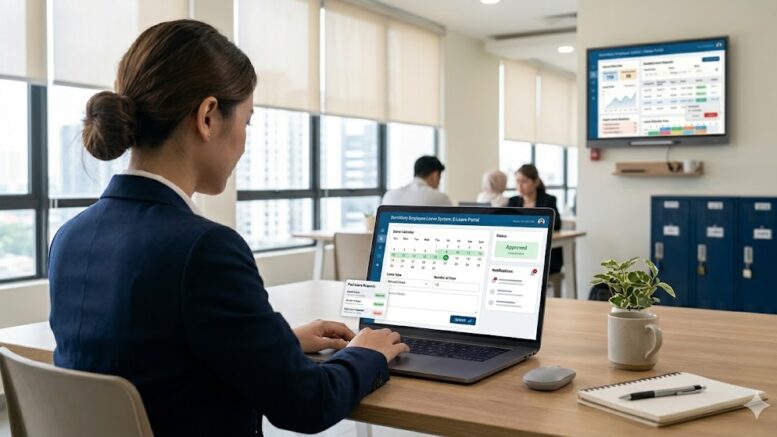
Managing unpaid leave whilst maintaining EIS compliance requires efficient systems and accurate record-keeping. Smart Touch Technology’s e-leave system is designed to help Malaysian organisations streamline leave management and maintain compliance with employment regulations.
An integrated e-leave system enables your organisation to:
- Automate leave request and approval workflows, reducing manual errors and ensuring consistent policy application
- Maintain centralised, audit-ready records of all leave transactions, including unpaid leave
- Integrate leave data with payroll systems, ensuring accurate wage and contribution calculations
- Generate compliance reports that demonstrate proper handling of unpaid leave and EIS contributions
- Provide employees with clear visibility into their leave entitlements and unpaid leave status
- Reduce administrative burden on HR and Payroll teams, freeing resources for strategic work
By implementing a robust e-leave system, your organisation can reduce the risk of compliance errors, improve employee satisfaction through transparency, and create a solid audit trail that demonstrates your commitment to proper leave management and EIS compliance.
Conclusion
EIS compliance with unpaid leave is a multifaceted responsibility that requires clear policies, accurate record-keeping, and coordinated HR and payroll processes. Unpaid leave, when properly managed, need not compromise your organisation’s compliance with Malaysian employment laws and SOCSO requirements.
Key takeaways include the importance of documented policies, consistent application, clear employee communication, accurate payroll processing, and staying informed about regulatory requirements. By addressing these areas systematically, your organisation can confidently manage unpaid leave whilst maintaining full EIS compliance.
For employers looking to strengthen their leave management and compliance capabilities, investing in a dedicated e-leave system can provide significant benefits in terms of accuracy, efficiency, and regulatory adherence. The right technology partner can help ensure that your leave management processes support both business objectives and employee welfare.
Smart Touch Technology Pte Ltd
Singapore: www.smartouch.com.sg | +65-63964767 | sales@smartouch.com.sg
Malaysia: www.smartouch.com.my | +607-3889903 | sales@smartouch.com.my