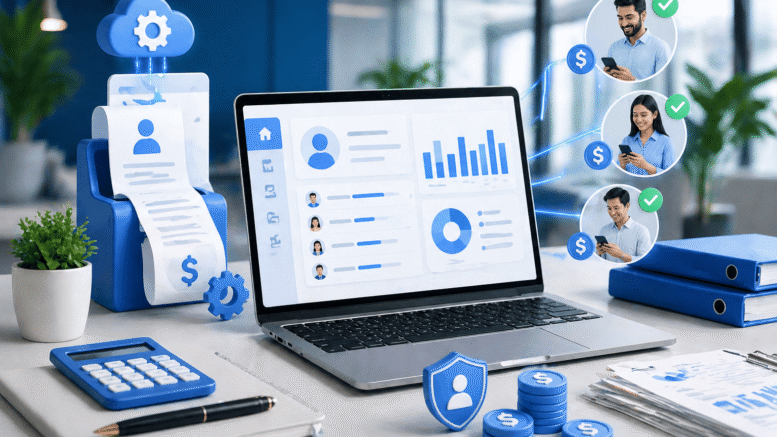
Ensuring Privacy Protection While Calculating Paycheck Details
In today’s digital workplace, the security of employee payroll data has become a critical concern for Malaysian businesses of all sizes. When processing paycheck details, organisations handle some of the most sensitive personal and financial information their employees possess—from bank account numbers to tax identification details and salary information.
Privacy protection during payroll calculations is not simply a matter of good practice; it directly affects employee trust, organisational reputation, and legal compliance. With increasing awareness of data breaches and cyber threats, employees expect their employers to safeguard their financial information with the utmost care. This article explores why privacy protection matters in payroll processing and how organisations can implement effective measures to protect paycheck data.
Why Privacy Protection Matters in Payroll Processing
Payroll systems contain a treasure trove of sensitive information that could be misused if it falls into the wrong hands. When calculating paycheck details, organisations typically access and process:
- Personal identification numbers and passport details
- Bank account and routing information for salary deposits
- Tax file numbers and Employees Provident Fund (EPF) account details
- Salary and bonus information
- Deduction records and personal financial arrangements
- Employment history and leave records
A single data breach involving payroll information can expose dozens or hundreds of employees to identity theft, fraud, and financial loss. Beyond the immediate harm to employees, organisations face reputational damage, potential legal action, and loss of employee confidence.
In Malaysia, businesses are expected to comply with data protection principles and handle personal information responsibly. This makes privacy protection during payroll calculations both an ethical and legal imperative.
Common Privacy Risks in Payroll Systems
Understanding the specific vulnerabilities in payroll processing helps organisations implement targeted protective measures.
Unauthorised Access
When payroll data is accessible to too many people or lacks proper access controls, the risk of unauthorised viewing increases significantly. Employees in finance, human resources, and management departments may all need access to payroll information, but this access should be strictly limited to what is necessary for their role.
Unsecured Data Storage
Paycheck details stored on unencrypted devices, shared drives without proper password protection, or cloud storage without security measures are vulnerable to theft or accidental exposure. Many organisations still maintain payroll records in formats that offer minimal protection.
Manual Data Entry Errors
When paycheck calculations rely on manual entry and spreadsheets, data can be inadvertently shared, misplaced, or sent to the wrong recipient. A simple email to the wrong address can expose an entire department’s salary information.
Inadequate Audit Trails
Without proper logging of who accessed payroll data and when, organisations cannot detect suspicious activity or investigate potential breaches effectively. This lack of visibility creates significant compliance and security gaps.
Outdated Systems and Software
Legacy payroll systems that are no longer updated with security patches become increasingly vulnerable to cyber attacks and exploits. Many older systems lack modern encryption and security features.
Best Practices for Protecting Payroll Privacy
Forward-thinking Malaysian organisations should implement comprehensive privacy protection strategies when calculating and processing paycheck details.
Implement Role-Based Access Control
Establish clear access policies that limit who can view, modify, or process payroll data. Only employees whose job responsibilities require access should have it, and their access levels should be tailored to their specific needs. Finance staff calculating payroll may need different access levels than HR staff managing leave records.
Use Encryption for Data in Transit and at Rest
Sensitive payroll data should be encrypted both when it is stored on company systems and when it is transmitted electronically. Modern encryption standards make it extremely difficult for unauthorised parties to access data even if they obtain it.
Maintain Comprehensive Audit Logs
Track all access to payroll systems, including who viewed or modified data, when they accessed it, and what changes were made. These audit trails are essential for identifying breaches, ensuring accountability, and demonstrating compliance.
Secure Communication Channels
When sending paycheck information to employees or third parties, use secure methods rather than standard email. Avoid including sensitive details in email subject lines or body text where they may be intercepted or accidentally forwarded.
Regular Security Training
Human error remains a leading cause of data breaches. Ensure that all staff involved in payroll processing understand privacy requirements, can recognise phishing attempts, and follow proper data handling procedures.
Regular System Updates and Maintenance
Keep payroll software updated with the latest security patches. Work with your IT department or software provider to ensure systems receive regular maintenance and security updates.
Data Minimisation
Only collect and retain the payroll data that is genuinely necessary for business operations and legal compliance. Regularly review stored information and securely delete data that is no longer needed.
Legal and Compliance Considerations in Malaysia
Malaysian organisations must be aware that personal data protection is a legal responsibility. While payroll requirements and data protection standards are subject to change, businesses should ensure they are familiar with current regulations affecting payroll processing and data privacy in Malaysia.
We recommend checking the latest guidance from relevant Malaysian authorities and considering consultation with legal or compliance professionals to ensure your payroll practices meet current requirements. Many organisations also find value in implementing industry-recognised security standards and best practices, which demonstrate a commitment to data protection and can provide a framework for continuous improvement.
The Role of Modern Payroll Systems in Privacy Protection
Modern payroll software solutions offer built-in privacy and security features that make it significantly easier to protect paycheck data compared to manual methods. These systems typically include:
- Automated access controls and user permissions management
- Data encryption for stored and transmitted information
- Comprehensive audit trails and reporting capabilities
- Secure integration with banking systems and government agencies
- Automatic compliance updates to reflect regulatory changes
- Reduced manual data entry, which minimises human error and exposure risk
By centralising payroll processing in a secure, purpose-built system rather than relying on spreadsheets and manual processes, organisations can substantially improve their privacy protection posture while also improving efficiency and accuracy.
How Smart Touch Technology Can Help
Smart Touch Technology’s Payroll System is designed to help Malaysian organisations process paycheck details securely and efficiently. The system provides the infrastructure and features necessary to implement privacy protection best practices without requiring extensive manual oversight.
By consolidating payroll calculations and data storage in a dedicated system with built-in security features, Smart Touch Technology enables businesses to maintain strict control over sensitive payroll information. The platform supports role-based access controls, comprehensive audit logging, and secure data management—helping organisations protect employee privacy while simplifying payroll administration.
Need more information about the product? Click here: http://www.smartouch.com.my/payroll-malaysia/
Conclusion
Privacy protection while calculating paycheck details is a fundamental responsibility that extends beyond legal compliance to the core of employee trust and organisational integrity. As cyber threats continue to evolve and data breaches become more common, Malaysian businesses must take proactive steps to safeguard payroll information.
Implementing strong access controls, encryption, audit trails, and secure communication practices creates multiple layers of protection for sensitive paycheck data. Equally important is choosing reliable, secure systems and ensuring that staff understand their role in maintaining privacy.
By combining best practices with modern payroll technology, organisations can calculate paycheck details with confidence, knowing that employee financial information is protected with appropriate security measures. This approach supports both compliance and the trust that employees place in their employers to handle their personal information responsibly.
Smart Touch Technology Pte Ltd
Singapore: www.smartouch.com.sg | +65-63964767 | sales@smartouch.com.sg
Malaysia: www.smartouch.com.my | +607-3889903 | sales@smartouch.com.my