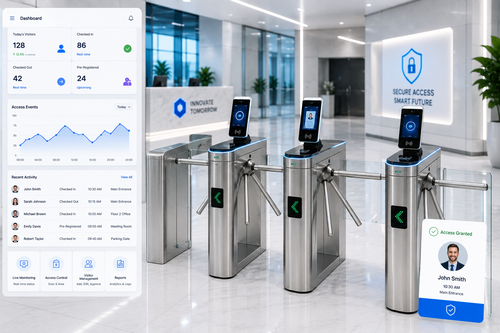
ESD Tripod System: Electronics Factory Turnstile For Improved Workforce Productivity
In today’s fast-paced electronics manufacturing environment, managing workforce entry and exit efficiently whilst maintaining strict electrostatic discharge (ESD) safety standards is critical. Electronics factories face unique challenges when it comes to controlling access, preventing unauthorised entry, and ensuring compliance with safety protocols. An effective ESD tripod system serves as both a physical barrier and a checkpoint mechanism, helping facilities streamline operations whilst protecting valuable electronic components and equipment from potential damage.
The importance of an ESD tripod cannot be overstated in electronic manufacturing settings. These systems provide a controlled access point that allows management to monitor and regulate the flow of personnel, maintain ESD compliance, and improve overall workplace productivity. By implementing a well-designed ESD tripod system, Malaysian electronics factories can reduce losses from static-related damage, improve security, and create a more organised workflow.
Understanding ESD Tripod Systems in Electronics Manufacturing
An ESD tripod system is a specialised access control solution designed specifically for environments where electrostatic discharge poses a significant risk to sensitive electronic components and manufacturing processes. Unlike standard turnstiles, ESD tripod systems are engineered to work seamlessly within facilities that require stringent static control measures.
These systems function as physical checkpoints that regulate the movement of personnel through specific areas within an electronics factory. The tripod mechanism creates a controlled passageway, allowing only one person to pass through at a time. This design not only enhances security but also creates an ideal location for implementing additional safety protocols, such as static discharge verification or mandatory equipment checks before personnel enter restricted areas.
Key Benefits of Implementing an ESD Tripod System
Enhanced Access Control and Security
One of the primary advantages of an ESD tripod system is its ability to restrict unauthorised access to sensitive manufacturing areas. By creating a single point of entry, facility managers can ensure that only authorised personnel enter protected zones. This is particularly important in electronics factories where intellectual property, sensitive manufacturing processes, and valuable equipment require protection.
Improved Workforce Productivity
When access control is streamlined through an efficient ESD tripod system, the overall workflow becomes more organised. Employees spend less time queuing or navigating multiple entry points, and supervisors can better manage personnel movement and monitor compliance with safety protocols. This efficiency translates directly into improved productivity across the facility.
ESD Compliance and Risk Reduction
Electronics manufacturing requires adherence to strict electrostatic discharge standards. An ESD tripod system helps maintain compliance by creating a dedicated checkpoint where static control measures can be reinforced. The physical presence of the tripod reinforces the importance of ESD protocols and helps prevent careless entry into sensitive areas.
Cost Savings Through Loss Prevention
Static-related damage to electronic components can be extremely costly. By implementing an ESD tripod system as part of a comprehensive static control strategy, factories can significantly reduce component damage, rework costs, and product loss. The investment in proper access control often pays for itself through reduced defects and improved product yield.
Scalability and Integration
Modern ESD tripod systems can be easily integrated with existing time and attendance solutions, access control systems, and security infrastructure. This integration capability makes it possible to scale access control across multiple entry points and areas within a facility without implementing disconnected solutions.
Common Challenges in Electronics Factory Access Control
Malaysian electronics manufacturers often struggle with several access control and workforce management issues. Understanding these challenges helps in recognising why a dedicated ESD tripod system is necessary.
- Uncontrolled Personnel Movement: Without proper barriers, personnel may bypass designated entry points, making it difficult to track who is in restricted areas and when they entered.
- Inconsistent ESD Protocol Compliance: Lack of physical enforcement mechanisms can lead to employees bypassing ESD requirements or not taking static control seriously.
- Difficulty Monitoring Attendance: Manual tracking of who enters and exits sensitive areas is time-consuming and prone to errors.
- Security Vulnerabilities: Uncontrolled access increases the risk of theft, sabotage, or exposure of proprietary manufacturing information.
- Increased Component Damage: Without structured access control linked to ESD compliance, the incidence of static-related damage may remain high.
How ESD Tripod Systems Work in Practice
In a typical electronics factory setting, an ESD tripod system operates as part of an integrated access control workflow. Personnel approach the tripod with their access credentials, which may include an ID card, biometric data, or PIN entry. Once authenticated, the tripod arm rotates, allowing the individual to pass through. The system records the entry, creating an accurate log of who accessed the area and when.
This mechanism serves multiple purposes simultaneously. It controls physical access, prevents unauthorised entry, creates an audit trail for security purposes, and reinforces the importance of controlled access protocols. Some advanced systems can also integrate with real-time monitoring solutions, allowing supervisors to track personnel movement across different zones within the facility.
How Smart Touch Technology Can Help
Smart Touch Technology offers comprehensive access control and workforce management solutions tailored to the needs of Malaysian electronics factories and other industrial facilities. The ESD tripod system available through Smart Touch Technology is designed to provide reliable access control whilst integrating seamlessly with existing time and attendance infrastructure.
By choosing Smart Touch Technology, facilities gain access to a proven solution that addresses the specific challenges of electronics manufacturing. The system is engineered to support ESD-compliant environments and can be customised to meet the unique requirements of individual factories. Whether you need to manage access to a single sensitive area or coordinate access control across multiple zones, Smart Touch Technology provides scalable solutions that improve both security and productivity.
Discover everything this product has to offer by clicking here to learn more about how an ESD tripod system can transform your facility’s access control and workforce management capabilities.
Implementation Considerations for Malaysian Electronics Factories
When planning to implement an ESD tripod system, several factors should be considered to ensure successful deployment.
- Integration with Existing Systems: Ensure the ESD tripod system can integrate with your current time and attendance, payroll, and security systems to avoid operational disruptions.
- Compliance Requirements: Verify that the solution meets relevant Malaysian workplace safety and ESD standards. For specific regulatory requirements, consult the latest guidance from relevant Malaysian authorities.
- User Training: All personnel should receive clear instructions on using the system correctly and understanding why access control is important for facility security and product quality.
- Maintenance and Support: Choose a solution provider that offers reliable technical support and maintenance services to keep the system operating optimally.
- Scalability: Select a system that can be expanded as your facility grows or as you need to add additional access control points.
Best Practices for ESD Tripod System Deployment
Successful implementation of an ESD tripod system goes beyond simply installing the hardware. Consider these best practices when deploying access control solutions in electronics manufacturing environments:
- Establish clear policies regarding which areas require access control and what credentials personnel must present.
- Communicate the purpose and benefits of the access control system to all employees before implementation.
- Regularly review access logs to identify any patterns or potential security concerns.
- Integrate the ESD tripod system with your broader workplace safety and ESD compliance programme.
- Schedule regular maintenance checks to ensure the system operates reliably and records data accurately.
Conclusion
An ESD tripod system represents a strategic investment for Malaysian electronics factories seeking to improve workforce productivity, enhance security, and maintain compliance with electrostatic discharge standards. By creating a controlled access point that regulates personnel movement, these systems address multiple operational challenges simultaneously. They provide facility managers with better visibility and control over who enters sensitive manufacturing areas, reduce the risk of component damage from static discharge, and streamline the overall workflow.
The benefits of implementing a modern ESD tripod system extend beyond basic access control. When integrated with comprehensive time and attendance solutions, these systems contribute to a safer, more productive, and more secure working environment. For electronics manufacturers in Malaysia looking to optimise their operations, an ESD tripod system is a practical, effective solution that delivers measurable results.
Smart Touch Technology Pte Ltd
Singapore: www.smartouch.com.sg | +65-63964767 | sales@smartouch.com.sg
Malaysia: www.smartouch.com.my | +607-3889903 | sales@smartouch.com.my