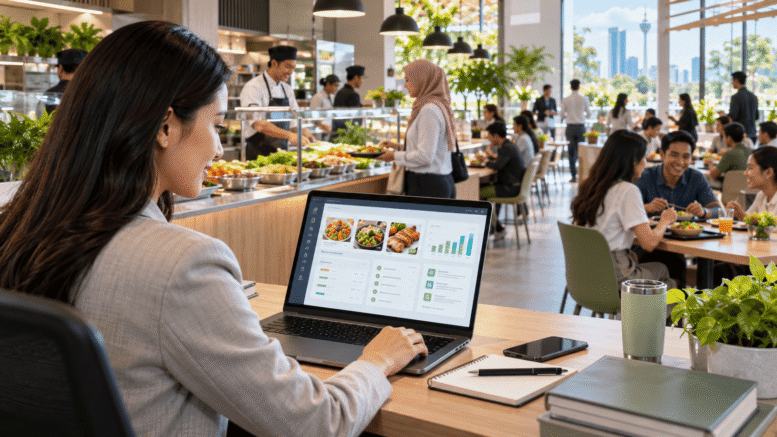
Halal Traceability Canteen System: Ensuring Compliance and Consumer Trust
In Malaysia’s diverse and multicultural food landscape, halal compliance has become more than just a regulatory requirement—it is a fundamental expectation for businesses operating in the food service industry. For organisations with canteen facilities, whether corporate offices, educational institutions, or industrial complexes, maintaining halal integrity throughout the entire food supply chain is essential. A halal traceability canteen system provides the transparency and accountability needed to demonstrate compliance, protect consumer trust, and streamline operational processes.
This article explores what halal traceability means in a canteen environment, why it matters, and how modern technology can help organisations meet these critical requirements.
Understanding Halal Traceability in Canteen Operations
Halal traceability refers to the ability to track food products and ingredients from their source through to the point of consumption. In a canteen setting, this means maintaining clear records of where each ingredient comes from, how it is handled, stored, prepared, and served to employees or students.
The significance of halal traceability extends beyond meeting legal obligations. It encompasses:
- Verification that ingredients and food products comply with halal standards
- Documentation of the entire food handling process to prevent contamination
- Clear identification of suppliers and their halal certification status
- Record-keeping for internal audits and external inspections
- Consumer confidence that food served meets halal requirements
For organisations in Malaysia, where the majority of the population follows Islamic dietary laws, demonstrating halal compliance through a robust traceability system is both a business necessity and a mark of respect for employee and customer values.
Why Halal Traceability Matters for Your Organisation
Implementing a halal traceability canteen system addresses several critical business concerns.
Regulatory Compliance
Malaysian businesses are subject to halal certification requirements under the purview of JAKIM (Jabatan Kemajuan Islam Malaysia) and various state-level Islamic religious authorities. Organisations with canteen facilities must ensure their food service operations meet these standards. A systematic approach to traceability helps demonstrate compliance during inspections and audits.
Risk Management
Without proper traceability, contamination or the accidental use of non-halal ingredients can go undetected until serious problems arise. This poses reputational and legal risks. A halal traceability system acts as an early warning mechanism, allowing organisations to identify and address issues before they impact consumers.
Building Consumer Trust
Employees and students who use canteen facilities want assurance that the food they consume aligns with their religious and personal values. A transparent halal traceability canteen system demonstrates that your organisation takes this commitment seriously, strengthening employee satisfaction and institutional reputation.
Operational Efficiency
Beyond compliance, traceability systems streamline inventory management, reduce food waste, and improve supply chain coordination. When staff can quickly access information about ingredient sources and expiration dates, food preparation becomes more efficient and safer.
Key Components of an Effective Halal Traceability System
A comprehensive halal traceability canteen system should include several essential elements.
Supplier Verification and Documentation
The foundation of halal traceability begins with your suppliers. Your system should maintain records of all suppliers’ halal certification status, renewal dates, and compliance history. This ensures that every ingredient entering your canteen has been sourced from verified halal suppliers.
Ingredient Tracking
Each ingredient should be trackable from delivery through to use in meal preparation. This includes recording batch numbers, expiration dates, storage location, and temperature conditions where relevant. Digital systems make it easier to maintain these records accurately and retrieve them when needed.
Food Preparation Documentation
Records of how food is prepared, who prepared it, and what equipment was used help prevent cross-contamination and ensure halal standards are maintained throughout the cooking process. This is particularly important in canteen environments where multiple meal options are prepared simultaneously.
Staff Training and Competency
Your canteen staff must understand halal requirements and their role in maintaining compliance. A halal traceability canteen system should include features that document staff training, ensuring everyone involved in food handling is aware of halal protocols.
Audit Trail and Reporting
A robust system creates an audit trail showing who accessed information, when records were created or modified, and what actions were taken. This level of transparency is invaluable during compliance inspections and internal quality reviews.
Common Challenges in Halal Traceability
Many organisations struggle with halal traceability due to manual, paper-based processes. Common challenges include:
- Difficulty tracking multiple suppliers and their certification statuses
- Inconsistent record-keeping across different staff members
- Time-consuming manual data entry and document management
- Inability to quickly retrieve historical information during audits
- Lack of real-time visibility into canteen operations
- Human error in recording or managing halal compliance information
These challenges can expose organisations to compliance risks and undermine the reliability of their halal traceability efforts. A systematic, technology-enabled approach is often necessary to overcome these obstacles effectively.
How Smart Touch Technology Can Help
Smart Touch Technology’s smart canteen system is designed to streamline food service operations while maintaining the highest standards of halal compliance. Through integrated management features, organisations can establish a halal traceability canteen system that is reliable, transparent, and easy to maintain.
The system helps you manage supplier information, track ingredients throughout their lifecycle in your canteen, document food preparation processes, and maintain comprehensive audit records—all within a single, user-friendly platform. By centralising halal compliance information, your team can focus on food quality and service while the system ensures that traceability requirements are consistently met.
To learn more about how our compliance features can support your halal traceability needs, you can read more about our compliance features by visiting https://www.smartouch.com.my/canteen-management-system-2/. This resource provides detailed information about the capabilities available to help your organisation maintain halal standards with confidence.
Best Practices for Maintaining Halal Traceability
Whether you are just beginning to implement halal traceability or enhancing an existing system, consider these best practices:
- Establish clear halal policies and procedures specific to your canteen operations
- Conduct regular staff training and competency assessments
- Maintain updated records of all supplier certifications and compliance information
- Perform periodic internal audits to identify gaps and areas for improvement
- Document every step of the food handling process, from delivery to serving
- Use technology to automate record-keeping and reduce human error
- Stay informed about changes in halal requirements and regulatory expectations
- Engage with relevant authorities and seek guidance when needed
For the most current regulatory requirements, it is advisable to check directly with JAKIM or your relevant state Islamic authority, as halal standards and compliance expectations may evolve over time.
Conclusion
A halal traceability canteen system is an investment in your organisation’s integrity, operational efficiency, and stakeholder trust. In Malaysia’s regulatory environment, where halal compliance is both a legal requirement and a cultural expectation, having a robust system in place is essential for any organisation operating a canteen facility.
By implementing systematic halal traceability practices and leveraging technology to support these efforts, you can ensure that every meal served in your canteen meets the highest halal standards. This not only protects your organisation from compliance risks but also demonstrates genuine respect for the values of your employees and customers.
The journey towards comprehensive halal traceability begins with recognising its importance and committing to systematic, transparent processes. With the right tools and approach, your organisation can achieve and maintain halal compliance with confidence.
Smart Touch Technology Pte Ltd
Singapore: www.smartouch.com.sg | +65-63964767 | sales@smartouch.com.sg
Malaysia: www.smartouch.com.my | +607-3889903 | sales@smartouch.com.my