Managing workforce operations across remote oil and gas installations is one of the most challenging aspects of running a successful extraction business. Rigs located offshore or in isolated onshore locations require constant oversight of personnel, yet traditional management methods often fall short when teams are spread across vast distances and difficult terrain. This is where modern Human Resource Management System (HRMS) mobile applications have become essential tools for oil and gas operators across Malaysia and the region.
The ability to track, monitor, and manage remote rig staff in real-time has transformed how companies maintain operational efficiency, ensure compliance, and protect their workforce. For operators managing multiple sites with hundreds or thousands of employees, an effective HRMS mobile app is no longer a luxury—it is a business necessity.
The Unique Challenges Of Managing Remote Rig Operations
Oil and gas extraction sites, particularly offshore rigs and remote onshore facilities, operate under conditions that make traditional workforce management extremely difficult. Personnel work in shifts that often span 12 hours or more, sometimes rotating between weeks offshore and weeks onshore. Communication can be limited, records are often scattered across multiple systems, and sudden staffing changes or emergencies require immediate visibility across the entire workforce.
Beyond the logistical complexity, regulatory compliance adds another layer of pressure. Malaysia’s oil and gas sector operates under strict safety and employment regulations, and operators must maintain detailed records of all personnel movements, certifications, training status, and compliance records. Manual tracking systems are prone to errors, delays, and inconsistencies that can lead to safety violations or regulatory penalties.
Companies also face challenges in:
- Verifying staff qualifications and certifications across multiple rigs
- Maintaining accurate shift schedules and attendance records
- Tracking training completion and safety inductions
- Managing contractor and temporary workforce integration
- Responding quickly to staffing emergencies or roster changes
- Ensuring all personnel comply with health and safety requirements
What Is An HRMS Mobile App?
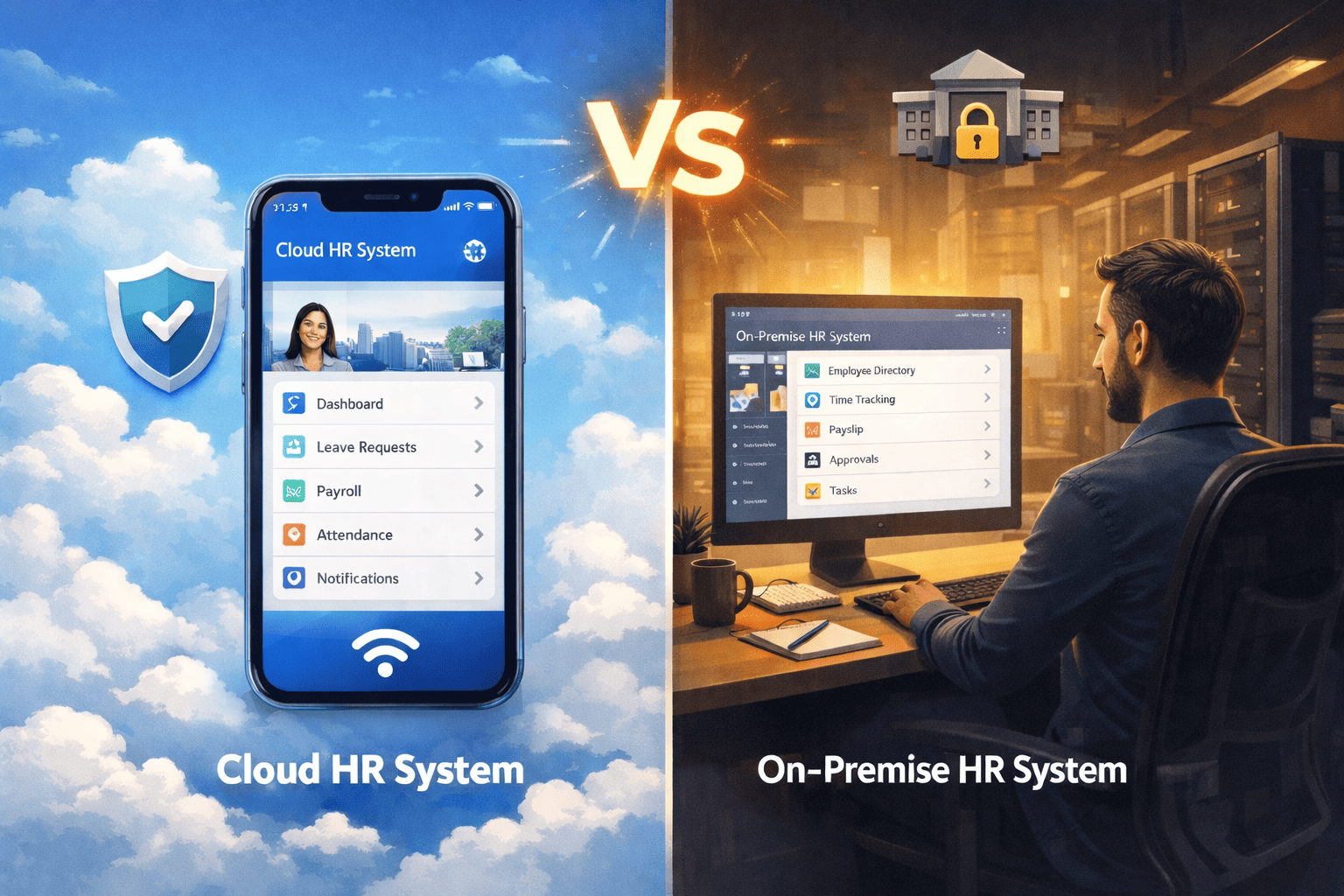
An HRMS mobile application is a software solution designed to manage all aspects of human resources operations from a mobile device or web-based platform. Rather than relying on paper records, spreadsheets, or disconnected systems, an HRMS centralises employee data, attendance, leave management, training records, certifications, payroll information, and compliance documentation in a single accessible location.
For remote rig operations, the mobile component is particularly valuable. Managers, supervisors, and HR personnel can access employee information, verify credentials, update records, and generate reports from anywhere—whether they are on the rig, in an onshore office, or managing multiple sites from a central location.
Key Benefits Of Using An HRMS Mobile App For Rig Staffing
Real-Time Visibility And Tracking
An HRMS mobile app provides immediate visibility into staff positions, shift assignments, and personnel availability across all rigs. When a supervisor needs to know how many qualified technicians are currently on a particular platform, or when certification gaps need to be identified, this information is instantly available rather than requiring time-consuming manual checks.
Compliance And Safety Management
Oil and gas operations are heavily regulated. An HRMS system maintains comprehensive records of certifications, training completion, medical clearances, and safety inductions. This ensures that only qualified personnel are assigned to specific roles and that regulatory audits can be completed quickly and accurately.
Reduced Administrative Burden
Digital record-keeping eliminates the need for paper-based systems, filing cabinets, and manual data entry. HR teams can spend less time managing administrative tasks and more time on strategic workforce planning and employee development.
Improved Accuracy And Reduced Errors
Automated systems reduce human error in record-keeping, attendance tracking, and data entry. This leads to more accurate payroll processing, fewer disputes over leave entitlements, and better compliance with employment regulations.
Enhanced Communication And Accessibility
Employees can access their own information—leave balances, payslips, training records—through the mobile app, reducing queries to HR and improving transparency. Managers can communicate updates, policy changes, and important notifications to team members instantly.
Scalability Across Multiple Rigs
Whether managing one rig or a fleet of platforms, an HRMS system scales easily. New rigs, additional locations, and growing workforces can be integrated into the same system without requiring separate management processes.
Essential Features For Oil And Gas HRMS Mobile Apps
When selecting an HRMS mobile app for rig operations, several key features are particularly important for the oil and gas sector:
- Attendance And Shift Management: Automated tracking of shift assignments, clock-in/out records, and roster changes across all locations.
- Certification And Compliance Tracking: Centralised database of employee certifications, training completion, medical clearances, and compliance records with automated renewal alerts.
- Leave And Time-Off Management: Streamlined leave application and approval processes with real-time balance visibility.
- Employee Data Management: Comprehensive personnel records including emergency contacts, qualifications, performance history, and employment contracts.
- Reporting And Analytics: Customisable reports for compliance, workforce planning, and operational decision-making.
- Offline Functionality: Ability to access and update information even when internet connectivity is limited or unavailable.
- Mobile-First Design: Intuitive interface optimised for use on smartphones and tablets by field personnel and managers.
- Integration Capabilities: Ability to connect with payroll systems, safety management tools, and other enterprise systems.
Regulatory Considerations In Malaysia
Malaysia’s oil and gas sector operates under various employment and safety regulations. While specific requirements may change, companies should ensure that their HRMS system supports compliance with current employment laws, safety regulations, and industry standards. It is advisable to verify the latest regulatory requirements with relevant authorities such as the Department of Occupational Safety and Health (DOSH) and the Malaysian Petroleum Management (MPM) authority, or equivalent bodies overseeing your specific operations.
An effective HRMS system should facilitate compliance rather than hinder it, making it easier for organisations to maintain the detailed records and documentation that regulators expect.
Implementation Best Practices
Successfully deploying an HRMS mobile app across remote rig operations requires careful planning and change management. Key implementation practices include:
- Conducting a thorough needs assessment to identify specific requirements for your operations
- Involving key stakeholders—HR teams, site managers, and supervisors—in the selection and design process
- Providing comprehensive training to all users before and after deployment
- Establishing clear data governance policies and security protocols
- Planning for data migration from legacy systems to the new HRMS platform
- Starting with a pilot implementation on one or two rigs before full rollout
- Ensuring adequate technical support is available during and after implementation
How SmartGogo Apps Can Help
Smart Touch Technology offers SmartGogo apps, a mobile-based solution designed to address the workforce management challenges faced by organisations operating in demanding environments. SmartGogo apps provide the flexibility and functionality needed to track, manage, and support remote rig staff effectively.
With SmartGogo apps, oil and gas companies can centralise employee information, manage certifications and compliance records, track attendance and shifts, and maintain real-time visibility of their workforce across multiple locations. The mobile-first approach ensures that managers and supervisors can access critical information and make decisions from anywhere on your operations.
If you are looking to streamline your remote rig staff management, reduce administrative burden, and improve compliance, SmartGogo apps from Smart Touch Technology can help deliver the visibility and control you need. Explore how a modern HRMS mobile app can transform your workforce operations and support the growth of your business.
Conclusion
Managing remote rig staff in the oil and gas sector requires more than traditional HR processes. An HRMS mobile app provides the real-time visibility, compliance support, and operational efficiency that modern energy companies need. By centralising employee data, automating routine tasks, and enabling mobile access to critical information, these systems help operators maintain safety, ensure regulatory compliance, and support better decision-making across their entire workforce.
As the industry continues to evolve and operations become increasingly complex, adopting a modern HRMS solution is not just about managing people—it is about building a more agile, responsive, and compliant organisation. Whether you are managing a single rig or a portfolio of operations across Malaysia and beyond, the right HRMS mobile app can become a strategic asset in your business operations.
Smart Touch Technology Pte Ltd
Singapore: www.smartouch.com.sg | +65-63964767 | sales@smartouch.com.sg
Malaysia: www.smartouch.com.my | +607-3889903 | sales@smartouch.com.my