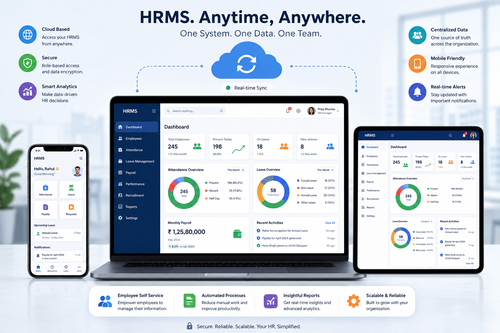
In today’s fast-paced business environment, companies across Malaysia are rapidly embracing digital transformation to improve operational efficiency, workforce productivity, and compliance management. Human Resource departments are no longer limited to handling administrative paperwork alone. Modern HR teams are now expected to manage employee engagement, payroll processing, attendance tracking, recruitment, performance monitoring, compliance reporting, and workforce analytics efficiently and accurately.
Traditional manual HR management methods using spreadsheets and disconnected systems are becoming outdated and increasingly difficult to maintain. Businesses now require integrated solutions capable of automating HR operations while reducing administrative workload and improving workforce visibility.
This is where HRMS Software becomes essential.
HRMS Software in Malaysia helps organizations streamline payroll processing, automate HR tasks, improve employee management, maintain statutory compliance, and support business growth through centralized digital workforce management.
This article explores the benefits of HRMS Software for payroll and HR automation, key system features, industry applications, and why Malaysian businesses are increasingly investing in intelligent HR technology solutions.
What Is HRMS Software?
HRMS stands for Human Resource Management System.
An HRMS Software platform combines multiple HR functions into one centralized system, allowing businesses to manage employee information, payroll, attendance, leave, scheduling, performance, and HR operations digitally.
Modern HRMS systems help organizations automate and manage:
- Payroll processing
- Attendance tracking
- Leave management
- Employee databases
- Recruitment processes
- Employee onboarding
- Performance evaluations
- Shift scheduling
- Overtime calculations
- Claims management
- HR reporting
- Compliance monitoring
By centralizing HR operations, businesses can improve efficiency, reduce errors, and gain better workforce visibility.
Why Businesses in Malaysia Need HRMS Software
Managing employees manually becomes increasingly difficult as organizations grow.
Many businesses still rely on spreadsheets, paper records, and standalone systems that create inefficiencies and administrative burdens.
Common HR Challenges Include
Manual Payroll Errors
Incorrect salary calculations can affect employee trust and compliance.
Time-Consuming Administrative Tasks
HR teams spend excessive time handling repetitive paperwork.
Attendance and Leave Tracking Difficulties
Manual attendance management increases payroll inaccuracies.
Compliance Risks
Malaysia’s labor laws and statutory regulations require accurate payroll and employee records.
Employee Data Management Issues
Maintaining employee records manually increases the risk of errors and lost information.
Poor Workforce Visibility
Management may lack real-time workforce insights for better decision-making.
HRMS Software solves these challenges through automation and centralized management.
Payroll Automation with HRMS Software
One of the most valuable features of HRMS Software is payroll automation.
Payroll processing in Malaysia involves multiple statutory requirements and calculations that can become highly complex without automation.
Payroll Functions Included in HRMS
Salary Calculations
The system automatically calculates:
- Basic salary
- Overtime
- Allowances
- Bonuses
- Commissions
- Deductions
EPF, SOCSO & EIS Management
HRMS Software automatically calculates statutory contributions based on current Malaysian regulations.
Supported Contributions Include
- EPF (KWSP)
- SOCSO (PERKESO)
- EIS deductions
- Employer contributions
- PCB tax calculations
Automation reduces compliance risks and payroll errors.
Digital Payslip Generation
Employees can access payslips electronically through self-service portals.
Benefits Include
- Faster payslip distribution
- Reduced printing costs
- Better document security
- Improved employee convenience
Tax and Compliance Reporting
HRMS systems simplify payroll reporting requirements.
Common Reports Include
- EA forms
- PCB reports
- EPF submissions
- SOCSO reports
- Payroll summaries
- Audit records
This improves compliance management and reduces administrative workload.
Attendance and Time Management Automation
Attendance tracking is closely connected to payroll accuracy.
Modern HRMS platforms integrate with attendance management systems to automate workforce monitoring.
Supported Attendance Technologies
- Fingerprint attendance systems
- Facial recognition devices
- RFID access cards
- Mobile attendance apps
- GPS attendance tracking
Attendance integration ensures accurate salary calculations and overtime management.
Leave Management Automation
Manual leave management can become complicated for growing businesses.
HRMS Software simplifies leave administration through digital automation.
Leave Features Include
- Online leave applications
- Automated approval workflows
- Leave balance tracking
- Medical leave management
- Annual leave calculations
- Public holiday configuration
Employees and managers can handle leave requests more efficiently through centralized platforms.
Employee Self-Service Portal
Modern HRMS platforms include employee self-service capabilities that improve workforce convenience.
Self-Service Features
Employees can:
- View payslips
- Apply leave
- Check attendance records
- Update personal details
- Submit claims
- View schedules
This reduces HR administrative workload while improving employee engagement.
Recruitment and Onboarding Management
HRMS Software also helps organizations streamline hiring and onboarding processes.
Recruitment Features Include
- Candidate database management
- Job application tracking
- Interview scheduling
- Employee onboarding workflows
- Document management
Automation improves recruitment efficiency and candidate experiences.
Performance Management and Workforce Analytics
Modern HRMS systems support employee performance monitoring and business analytics.
Performance Features Include
- KPI tracking
- Employee appraisals
- Goal management
- Productivity monitoring
- Performance reporting
Organizations gain better workforce insights for strategic decision-making.
Cloud-Based HRMS Solutions
Cloud technology has transformed HR management by improving accessibility and scalability.
Benefits of Cloud HRMS
Remote Access
HR teams and employees can access the system from anywhere.
Centralized Workforce Management
Businesses can manage multiple branches through one platform.
Real-Time Data Updates
Information synchronizes instantly across departments.
Lower IT Costs
Cloud systems reduce infrastructure and maintenance expenses.
Improved Data Security
Secure cloud hosting protects sensitive employee information.
Cloud-based HRMS solutions are especially valuable for businesses with remote or hybrid workforces.
Industries Using HRMS Software in Malaysia
HRMS Software supports organizations across various industries.
Manufacturing
Factories automate payroll, shift scheduling, and workforce attendance.
Retail Businesses
Retail chains manage employees across multiple outlets more efficiently.
Healthcare Organizations
Hospitals simplify shift management and workforce scheduling.
Logistics and Transportation
Logistics companies improve mobile workforce management and payroll processing.
Educational Institutions
Schools and universities streamline staff payroll and attendance management.
Construction Companies
Construction firms manage project-based workforce operations more effectively.
Benefits of HRMS Software for SMEs
Small and medium-sized enterprises gain major operational advantages from HR automation.
Key SME Benefits
Reduced Administrative Work
Automation reduces repetitive HR tasks and paperwork.
Improved Payroll Accuracy
Automated calculations minimize errors.
Better Compliance Management
HRMS systems help SMEs comply with labor regulations more effectively.
Faster HR Operations
Processes such as payroll and leave approvals become more efficient.
Cost Savings
Automation reduces operational expenses and administrative overhead.
Benefits of HRMS Software for Large Enterprises
Large organizations require scalable workforce management systems capable of handling complex operations.
Enterprise Advantages
Multi-Branch Workforce Management
Centralized systems support nationwide operations.
Advanced Workforce Analytics
Businesses gain detailed HR insights and performance reports.
Integration with Enterprise Systems
HRMS platforms integrate with:
- ERP systems
- Accounting software
- Attendance systems
- Payroll platforms
- Access control systems
Large Employee Database Support
Enterprise systems manage thousands of employees efficiently.
Data Security and Compliance
Employee information is highly sensitive and requires strong protection.
Modern HRMS Software includes:
- Role-based access controls
- Encrypted databases
- Secure cloud hosting
- Audit trails
- Automated backups
- Compliance support
These features help organizations protect workforce data while improving operational transparency.
Why Malaysian Businesses Are Adopting HR Automation
Digital transformation initiatives across Malaysia are accelerating the adoption of intelligent HR technologies.
Businesses are investing in HRMS Software because it provides:
- Improved efficiency
- Better payroll accuracy
- Stronger compliance management
- Reduced HR workload
- Enhanced employee experiences
- Better workforce visibility
- Scalability for business growth
Automation helps organizations remain competitive in rapidly evolving business environments.
Future Trends in HRMS Technology
HR technology continues evolving through innovations such as:
- Artificial intelligence
- Predictive workforce analytics
- Mobile HR applications
- Biometric integrations
- Cloud intelligence
- Employee experience platforms
- Smart automation
Businesses adopting modern HRMS systems today are preparing for future workforce transformation.
Choosing the Right HRMS Software in Malaysia
Organizations should evaluate several important factors before selecting an HRMS platform.
Compliance Support
The system should support Malaysian labor laws and statutory regulations.
Scalability
Choose software capable of supporting future workforce growth.
Integration Capability
The HRMS platform should integrate with payroll, attendance, and accounting systems.
User-Friendly Interface
Simple systems improve employee and HR adoption rates.
Technical Support
Reliable support services ensure smooth long-term system operation.
Conclusion
HRMS Software has become an essential tool for modern businesses seeking to automate payroll processing, improve workforce management, strengthen compliance, and streamline HR operations.
By replacing manual HR processes with centralized digital systems, businesses across Malaysia can improve efficiency, reduce errors, enhance employee experiences, and gain better workforce visibility.
As digital transformation continues reshaping business operations, HRMS Software will play an increasingly important role in helping organizations manage employees more effectively while supporting long-term growth and operational excellence.
Businesses investing in intelligent HR automation today are building stronger, smarter, and more future-ready workforce management systems for tomorrow.
Smart Touch technology pte ltd , www.smartouch.com.sg +65-63964767, sales@smartouch.com.sg , www.smartouch.com.my +607-3889903 sales@smartouch.com.my