JTK Compliant Hostel Malaysia: A Practical Checklist For Employers
Managing a hostel or dormitory facility in Malaysia requires more than just providing accommodation. Employers and facility operators must navigate a complex landscape of regulations, safety standards, and compliance requirements to ensure their properties meet legal obligations and maintain high standards for residents.
The JTK (Jabatan Tenaga Kerja, or Department of Labour) compliance framework is essential for any employer operating hostel and dormitory facilities in Malaysia. Whether you’re running a worker dormitory, student hostel, or residential facility for employees, understanding and implementing JTK compliance measures is not just a legal requirement—it’s a responsibility to the people living in your facilities.
This practical guide walks you through the key compliance considerations for hostel operations in Malaysia and provides a useful checklist to help you maintain standards and avoid potential violations.
What Is JTK Compliance For Hostel Facilities?
JTK compliance refers to adherence to regulations and standards set by Malaysia’s Department of Labour. For hostel and dormitory operations, this involves meeting specific requirements related to accommodation quality, safety, sanitation, and the welfare of residents.
These standards apply primarily to employer-provided accommodation, particularly for foreign workers and other employees requiring on-site housing. Compliance ensures that residents live in safe, hygienic, and dignified conditions while protecting employers from legal liability and operational penalties.
Understanding these requirements is crucial because non-compliance can result in significant consequences, including fines, facility closures, reputational damage, and difficulties in recruitment and retention of workers.
Key Areas Of JTK Hostel Compliance
Accommodation Standards And Space Requirements
One of the fundamental aspects of JTK compliance involves ensuring adequate space and facilities for residents. The regulations typically specify minimum floor area per resident, ventilation requirements, and standards for furniture and fixtures.
Employers must ensure that each resident has appropriate sleeping space, with standards covering bed dimensions, mattress quality, and personal storage areas. Overcrowding is a common compliance issue and can result in serious violations.
Sanitation And Hygiene Facilities
Clean and well-maintained sanitation facilities are non-negotiable in JTK-compliant hostels. This includes adequate bathrooms, toilets, washing facilities, and common areas that meet hygiene standards.
Regular cleaning schedules, proper waste management systems, and access to clean drinking water are essential components. Facilities must also maintain proper documentation of cleaning and maintenance activities to demonstrate ongoing compliance.
Safety And Security Measures
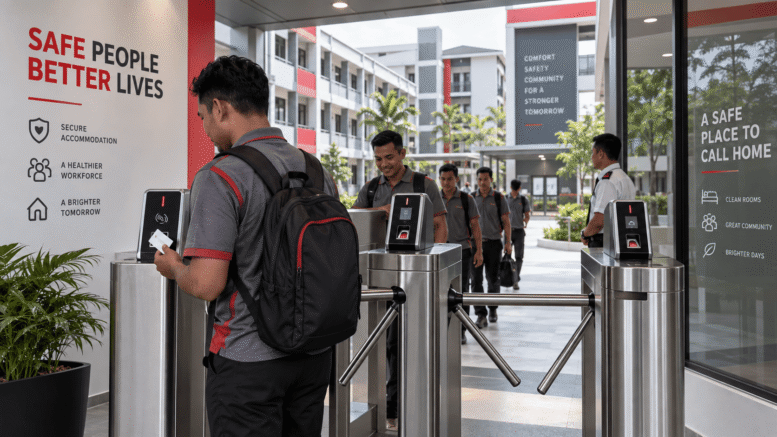
JTK compliance requires comprehensive safety protocols within hostel facilities. This includes fire safety equipment, emergency exits, electrical safety standards, and secure access control systems.
Employers must conduct regular safety inspections, maintain fire extinguishers and emergency lighting, ensure clear emergency evacuation routes, and provide residents with safety information and training where applicable.
Health And Medical Facilities
Depending on the size and nature of your hostel operation, JTK requirements may include providing access to basic medical facilities or ensuring nearby healthcare access. Some regulations require first aid provisions and trained personnel to administer basic medical assistance.
Food And Nutrition Services
If your hostel provides meals, compliance includes standards for food preparation, storage, and serving. This involves maintaining clean kitchen facilities, ensuring food safety protocols, and providing nutritionally adequate meals that meet residents’ dietary needs.
Recreation And Welfare Facilities
Beyond basic accommodation, JTK compliance encourages provision of recreational spaces and welfare facilities that support residents’ mental health and wellbeing. This might include common rooms, outdoor spaces, or access to recreational activities.
Practical JTK Compliance Checklist For Hostel Employers
Use the following checklist to assess and maintain your hostel’s compliance status:
- Accommodation Space: Verify minimum floor area per resident is met; ensure proper bed arrangements and personal storage availability
- Ventilation And Lighting: Check adequate natural or mechanical ventilation; confirm sufficient natural and artificial lighting in all areas
- Bathroom Facilities: Confirm sufficient bathrooms and toilets based on resident numbers; verify hot water availability and proper maintenance
- Cleaning Schedules: Establish and document regular cleaning protocols; maintain cleaning records and staff assignments
- Waste Management: Implement proper waste segregation and disposal systems; arrange regular waste collection
- Fire Safety: Conduct fire risk assessments; maintain fire extinguishers and emergency lighting; display evacuation maps clearly
- Electrical Safety: Perform regular electrical inspections; address any safety hazards promptly; ensure proper grounding and safety switches
- Emergency Procedures: Develop and communicate emergency response plans; conduct regular safety drills with residents
- Medical Access: Ensure first aid kits are available; maintain relationships with nearby healthcare providers; keep emergency contact information accessible
- Food Safety: Maintain clean kitchen facilities; implement food storage and preparation standards; keep food handling records
- Pest Control: Implement regular pest control measures; maintain records of pest management activities
- Maintenance Records: Document all repairs and maintenance work; keep facility inspection logs
- Resident Grievance Procedures: Establish clear channels for residents to report issues or complaints; maintain records of complaints and resolutions
- Staff Training: Ensure hostel staff understand compliance requirements; provide safety and hygiene training
Common JTK Compliance Challenges In Malaysian Hostels
Employers often encounter specific challenges when implementing JTK compliance measures. Understanding these common issues can help you address them proactively.
Space And Overcrowding Issues
Many hostel operators struggle to balance accommodation capacity with compliance requirements. As demand for worker accommodation grows, the pressure to accommodate more residents can lead to overcrowding, which violates JTK standards and compromises resident safety and wellbeing.
Maintenance And Documentation
Keeping comprehensive records of maintenance, cleaning, safety inspections, and repairs can be time-consuming without proper systems in place. Poor documentation makes it difficult to demonstrate compliance during inspections or investigations.
Resource Constraints
Smaller hostel operators may face budget limitations when upgrading facilities or implementing new compliance measures. Balancing compliance costs with operational efficiency is an ongoing challenge.
Staff Coordination
Managing hostel operations without proper coordination tools can lead to missed cleaning schedules, incomplete safety checks, and poor communication between staff members and management.
Best Practices For Maintaining JTK Compliance
Successfully maintaining JTK compliance requires systematic approaches and ongoing commitment:
- Conduct regular internal compliance audits to identify gaps before official inspections
- Maintain clear, organized documentation of all compliance-related activities and records
- Train staff thoroughly on compliance requirements and their individual responsibilities
- Establish communication channels with residents to address concerns promptly
- Budget regularly for facility maintenance, upgrades, and compliance improvements
- Stay informed about any updates or changes to JTK regulations affecting hostel operations
- Implement preventive maintenance schedules to minimize facility issues
- Use systematic approaches to track cleaning, maintenance, and safety activities
The Role Of Technology In Hostel Compliance Management
Managing the various aspects of hostel compliance can be significantly simplified through the use of dedicated management systems. Technology solutions can help streamline documentation, coordinate staff activities, track maintenance schedules, and ensure consistent record-keeping.
A well-designed dormitory management system can centralize information about residents, facilities, maintenance schedules, and compliance documentation. This approach reduces administrative burden, improves communication between management and staff, and makes it easier to demonstrate compliance during inspections.
Digital systems can automatically track when cleaning or maintenance tasks are completed, generate compliance reports, manage resident check-ins and check-outs, and alert management to potential issues requiring attention.
How Smart Touch Technology Can Help
Smart Touch Technology offers dormitory and hostel management solutions designed to address the operational challenges that Malaysian facility managers face. Our system helps streamline the coordination of maintenance activities, cleaning schedules, and compliance documentation—critical components of JTK adherence.
By implementing a comprehensive dormitory system, employers can improve their ability to maintain consistent standards, reduce administrative workload, and ensure better organization of compliance-related records. This helps facility managers focus on what matters most: providing safe, well-maintained accommodation for residents.
Whether you’re managing a large industrial dormitory, a student hostel, or a smaller accommodation facility, having the right management tools can significantly enhance your compliance efforts and operational efficiency.
Want to know more about this product? Click here to explore Smart Touch Technology’s dormitory system, specifically designed for Malaysian hostel and dormitory operations.
Conclusion
JTK compliance for hostel facilities in Malaysia is a multifaceted responsibility that requires attention to accommodation standards, safety protocols, sanitation, healthcare access, and resident welfare. By understanding these requirements and implementing systematic compliance measures, employers can ensure they meet legal obligations while providing residents with safe, dignified accommodation.
The practical checklist provided in this guide offers a starting point for assessing your hostel’s compliance status. Regular internal audits, proper documentation, staff training, and appropriate use of management systems all contribute to maintaining consistent compliance.
Remember to verify the latest requirements with the relevant Malaysian authorities, as regulations may be updated periodically. By taking a proactive, systematic approach to compliance, you protect your business, support your residents’ wellbeing, and maintain the reputation of your facility in a competitive accommodation market.
Smart Touch Technology Pte Ltd
Singapore: www.smartouch.com.sg | +65-63964767 | sales@smartouch.com.sg
Malaysia: www.smartouch.com.my | +607-3889903 | sales@smartouch.com.my