Managing access to factory and warehouse facilities is one of the most critical operational challenges faced by facility managers and business owners across Malaysia. As organisations grow, so does the complexity of controlling who enters restricted areas, when they enter, and what they do once inside. Traditional key-and-lock systems simply cannot meet the demands of modern industrial environments.
Proximity card access systems have become the industry standard for good reason. These contactless security solutions streamline entry management, improve operational efficiency, and provide the audit trails necessary for compliance and safety. Whether you operate a manufacturing facility, logistics hub, or large warehouse, understanding how proximity card technology can benefit your operations is essential.
What Is A Proximity Card Access System?
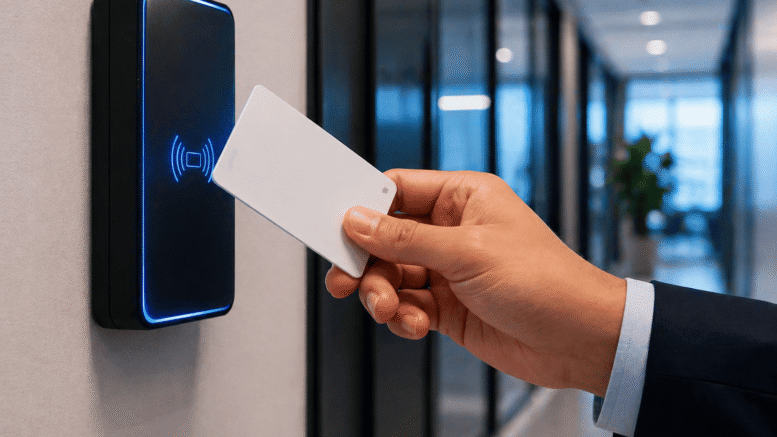
A proximity card system uses radio frequency identification (RFID) technology to grant or deny access to secured entry points. Employees or authorised personnel carry a small card or fob that communicates wirelessly with readers installed at doors, gates, and checkpoints. When the card comes within range of a reader—typically 10 centimetres or less—the system verifies the cardholder’s credentials and unlocks the door if authorised.
Unlike traditional keys, which offer no record of who accessed a facility and when, proximity card systems create a detailed log of every entry event. This digital audit trail is invaluable for security investigations, compliance reporting, and operational analysis.
Why Factory And Warehouse Facilities Need Proximity Card Access
Security And Loss Prevention
Manufacturing facilities and warehouses store valuable equipment, inventory, and materials. Unauthorised access can lead to theft, sabotage, or damage. Proximity card access restricts entry to authorised personnel only, significantly reducing security risks. If a card is lost or an employee leaves the company, access can be deactivated immediately without needing to change physical locks.
Operational Efficiency
Factory and warehouse staff move between multiple entry points throughout their shift. Manual key management becomes impractical and time-consuming. Proximity cards eliminate fumbling for keys and speed up entry, allowing employees to move quickly between production areas, storage zones, and other restricted sections.
Compliance And Safety
Many industrial facilities must comply with workplace safety regulations and insurance requirements. Proximity card access systems help demonstrate that only trained, authorised personnel access hazardous areas. Documentation of who was present and when provides critical information during safety investigations or incident reviews.
Employee Accountability
The ability to track which employee accessed which area at what time creates a culture of accountability. This is particularly important in warehouses where inventory discrepancies occur or in factories where equipment damage needs investigation.
How Proximity Card Access Works
The technology operates through a simple but effective process:
- Card Encoding: Each proximity card is encoded with a unique identifier during the initial setup process.
- Reader Detection: When an employee brings their card near a reader at an entry point, the reader detects the signal.
- Credential Verification: The access control system checks whether that card ID has permission to access that specific door or area.
- Access Decision: If authorised, the system sends a signal to unlock the door. If not authorised, access is denied and an alert may be logged.
- Record Keeping: The access attempt is recorded with timestamp and location information.
This entire process happens in milliseconds, making the entry experience seamless for authorised personnel.
Key Benefits For Factory And Warehouse Operations
Reduced Administrative Burden
Managing physical keys in a large facility with dozens or hundreds of employees is administratively burdensome. Lost keys must be replaced, locks must be rekeyed, and accountability is difficult to establish. Proximity card systems eliminate this overhead. Adding new employees is as simple as enrolling their card in the system. Removing access when someone leaves or changes roles takes just minutes.
Flexible Access Control
Different employees need access to different areas. A warehouse supervisor might need access to storage zones and administrative offices, while a line worker may only access production areas. Proximity card systems allow granular permission settings. You can assign unique access profiles to each employee or group, and these can be updated centrally without visiting each door.
Emergency Response Capability
In emergencies, immediate lockdown of facility sections may be necessary. Modern proximity card systems can be integrated with alarm systems and can restrict or enable access to specific zones rapidly, assisting evacuation procedures and emergency services.
Detailed Audit Trails
Every access event creates a record: who accessed where, when they accessed it, and whether access was granted or denied. This information is invaluable for security investigations, loss prevention analysis, and compliance audits. Should an incident occur, management has clear documentation of facility access patterns.
Practical Considerations For Implementation
System Scale And Coverage
Before implementing proximity card access, assess how many entry points require coverage. Factory facilities might have numerous entry points: main entrances, loading docks, production floor exits, storage areas, and secure rooms. Each point requires a reader and may require associated hardware. Plan your system architecture carefully to ensure complete coverage of areas requiring access control.
Integration With Existing Systems
Consider how the proximity card system will integrate with your existing security infrastructure, time and attendance systems, or access logs. Modern systems can communicate with various platforms, streamlining data flow and reducing manual record-keeping.
Card Distribution And Management
Establish clear procedures for card issuance, replacement, and deactivation. When employees are hired, they receive their card and authorisation profile. When they leave or change roles, their card access must be immediately disabled. Having a documented process prevents unauthorised access by former employees.
Environmental Factors
Factory and warehouse environments can be challenging for electronic systems. Extreme temperatures, moisture, dust, and electromagnetic interference may affect performance. Ensure that the proximity card readers you select are rated for your facility’s environmental conditions, particularly if readers will be installed outdoors or in harsh industrial areas.
Common Challenges And Solutions
Card Loss Or Damage
Challenge: Employees lose cards or cards become damaged in industrial environments.
Solution: Implement a card replacement protocol. Most systems allow quick reissuance. Some organisations use card holders or lanyards to reduce loss. Having spare blank cards on hand and a quick enrollment process ensures minimal disruption when replacement is needed.
Unauthorised Card Sharing
Challenge: Employees might share their card with colleagues to bypass access restrictions.
Solution: Combine proximity card access with other verification methods for sensitive areas. Integration with time and attendance systems helps identify access anomalies. Regular audits of access logs can reveal suspicious patterns.
System Downtime
Challenge: If the access control system fails, normal operations may be disrupted.
Solution: Implement redundancy and backup power systems. Many modern systems include battery backup to ensure doors remain functional during power outages. Consider offline access modes for critical entry points that allow manual override procedures during system maintenance or failures.
How Smart Touch Technology Can Support Your Access Control Needs
Smart Touch Technology offers proximity card solutions designed for Malaysian businesses managing factory and warehouse facilities. Our systems provide reliable, user-friendly access control that integrates with your existing security infrastructure.
Our proximity card products are built for the demanding industrial environment. They deliver straightforward access management without unnecessary complexity, allowing your team to focus on core operations rather than security administration. With detailed reporting and audit capabilities, you gain clear visibility into facility access patterns and can respond quickly to any security concerns.
Whether you operate a single facility or multiple locations, our access control systems scale to meet your needs. Our support team understands the Malaysian business environment and can advise on system design that fits your specific facility layout and operational requirements.
Getting Started With Proximity Card Access
Implementing proximity card access begins with a clear assessment of your facility’s needs. Which entry points require control? How many employees need access? What access levels are necessary for different roles? What are your budget and timeline considerations?
Contact Smart Touch Technology to discuss your access control requirements. Our team can evaluate your facility, recommend appropriate solutions, and guide you through implementation, ensuring your system is configured to match your operational and security objectives.
Take the next step in securing your factory or warehouse facility. Reach out to Smart Touch Technology today to explore how proximity card access can improve your operational efficiency and security posture.
Conclusion
Proximity card access systems have become essential infrastructure for modern factories and warehouses across Malaysia. They provide secure, efficient access control while creating the detailed audit trails necessary for compliance, safety, and loss prevention. By replacing traditional key systems with proximity card technology, you eliminate administrative overhead, improve accountability, and gain real-time visibility into facility access patterns.
The transition to proximity card access is straightforward when implemented thoughtfully. Understanding your facility’s specific needs, planning for environmental considerations, and selecting a reliable system partner ensures successful deployment and long-term operational benefits.
Whether you are upgrading existing security infrastructure or implementing access control in a new facility, proximity card technology offers practical, proven benefits that facility managers and business owners can rely on. Consider how this technology might enhance security and efficiency in your operations, and connect with Smart Touch Technology to explore solutions tailored to your facility’s requirements.