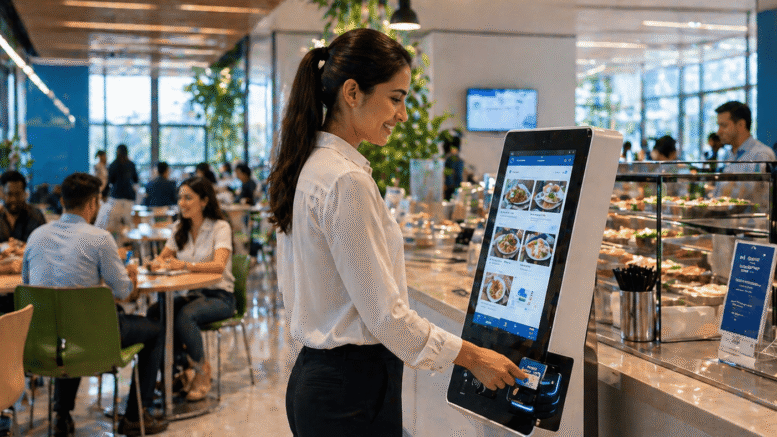
Cash handling in school canteens creates a surprising number of headaches for administrators: lost pocket money, long queues during short recess periods, and little visibility into what students are actually eating each day. A school cafeteria POS system replaces cash transactions with a cashless, prepaid account system that speeds up service and gives parents and administrators much better visibility into student spending.
For schools in Malaysia managing hundreds or thousands of students at peak recess times, the right POS system can be the difference between orderly, fast-moving queues and daily chaos at the canteen counter.
What Is a School Cafeteria POS System?
A school cafeteria POS system is a point-of-sale platform designed specifically for canteen operations, allowing students to pay using a prepaid card, fingerprint scan, or mobile app instead of cash. Parents top up student accounts online, canteen staff process orders quickly at the till, and the system automatically deducts the correct amount, removing the need for students to carry cash to school.
Why Schools Are Moving Away From Cash Canteens
Cash-based canteens create daily friction: students lose money, younger children struggle to count change quickly, and queues back up during short recess windows. Cash also makes it difficult for canteen operators to reconcile daily takings accurately, and offers no visibility for parents who want to monitor what and how much their children are spending on food each day.
Key Features to Look For
Fast, Cashless Transactions
Look for a system that processes each transaction in a second or two, since checkout speed directly determines how many students can be served during a limited recess period.
Parent Top-Up and Spending Visibility
Parents should be able to top up their child’s account online and view a detailed history of purchases, which helps them monitor spending habits and, in some systems, even restrict purchases of certain items.
Menu and Inventory Management
A good system lets canteen operators update menu items and pricing easily, track stock levels, and identify which items sell well versus which are frequently wasted, helping reduce food waste and improve planning.
Reporting for School Administrators
Administrators benefit from consolidated daily and monthly sales reports, which simplify financial reconciliation and give a clear picture of canteen revenue without manual cash counting at the end of each day.
Allergy and Dietary Tracking
Some systems allow parents to flag allergies or dietary restrictions on a student’s account, which can alert canteen staff at the point of purchase and reduce the risk of accidental exposure to allergens.
Benefits Beyond Faster Queues
A cashless canteen system reduces the risk of theft and lost money, gives school administrators cleaner financial records for audits, and can integrate with broader school management systems to simplify billing for meals alongside other school fees. For parents, the peace of mind that comes from knowing exactly what their child is eating and spending is often the most valued benefit.
Choosing the Right System for Your School
Consider how many students the canteen serves during peak periods, and ask vendors for real transaction speed benchmarks rather than marketing claims. Confirm whether the system works offline in case of internet outages, since canteens cannot afford downtime during recess. Finally, check how easy it is for parents to top up accounts, since a complicated top-up process leads to frustrated parents and empty student accounts.
Key Takeaways
- Cashless canteens speed up service during short recess periods
- Parents gain visibility into student spending and can top up accounts online
- Allergy and dietary flags help reduce accidental exposure risks
- Consolidated sales reports simplify financial reconciliation for schools
- Offline capability matters in case of internet outages
Frequently Asked Questions
What happens if a student’s account runs out of balance?
Most systems either decline the transaction, notify the parent automatically, or allow schools to configure a small negative balance limit so a student is never left unable to buy lunch during the top-up delay.
Can parents restrict what their child buys?
Many systems allow parents to set spending limits per day or restrict certain categories of items, such as sugary snacks, giving families more control over their child’s purchases.
Is a cashless canteen system safe for younger primary school students?
Yes, many schools use simple methods like a tap card or fingerprint scan specifically because they are easier for young children to use correctly than counting cash change.
Does the system work if the internet goes down?
Good POS systems store transaction data locally and sync automatically once connectivity is restored, so a temporary internet outage should not stop the canteen from operating.
How long does it take to set up a cashless canteen system?
Most schools can be fully set up within one to two weeks, including hardware installation, staff training, and issuing cards or registering biometric data for students.
Supporting Nutrition and Healthier Eating
Beyond speed and convenience, many schools use their cafeteria POS data to support healthier eating habits. Purchase history reports can reveal which items are consistently popular versus which nutritious options are being skipped, giving canteen operators and school nutritionists real data to work with rather than guesswork when planning menus. Some systems also let schools flag healthier choices within the ordering interface or apply small incentive pricing to encourage students toward better options.
This kind of visibility is difficult to achieve with a cash-based canteen, where the only record of what was sold is the total cash collected at the end of the day, with no breakdown by item or by student.
Integrating With the Wider School System
Some canteen POS platforms can integrate with broader school administration software, allowing canteen charges to appear alongside tuition and other fees in a single parent billing statement. This reduces the number of separate accounts parents need to manage and gives school finance teams a more consolidated view of revenue across the institution.
For schools evaluating a switch, starting with a single grade level or building as a pilot before rolling out campus-wide can help identify any operational kinks before the busiest lunch periods are affected.
You can read more about our compliance features by https://www.smartouch.com.my/canteen-management-system-2/.
Smart Touch technology pte ltd , www.smartouch.com.sg +65-63964767, sales@smartouch.com.sg , www.smartouch.com.my +607-3889903 sales@smartouch.com.my