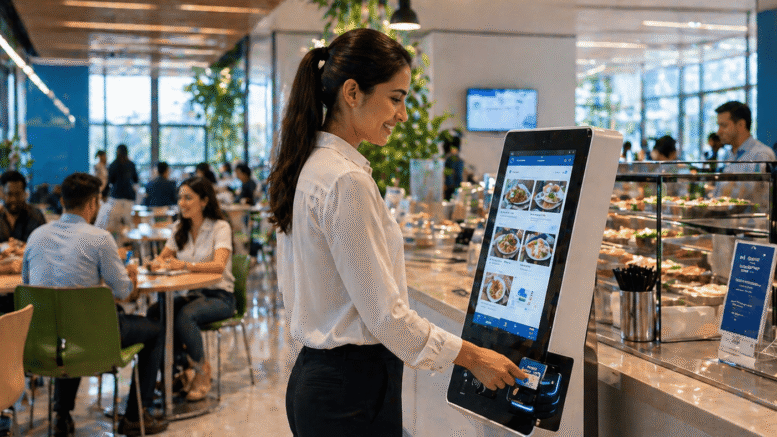
Managing a school dining hall involves coordinating numerous moving parts—from food preparation and inventory management to student payments and nutritional tracking. As schools across Malaysia continue to modernise their operations, the way they manage their canteens has become increasingly important. A well-organised school dining hall system not only streamlines daily operations but also enhances the student experience, ensures better food safety standards, and provides valuable insights into dietary habits.
In this article, we explore how modern school dining hall systems work, the challenges schools face, and how technology can transform this essential service into a more efficient, transparent, and student-friendly operation.
Understanding the Modern School Dining Hall System
A school dining hall system encompasses far more than simply serving food. It involves a comprehensive approach to managing every aspect of the canteen operation, from meal planning and food sourcing to payment processing and customer service.
Traditional school canteens often rely on manual processes—handwritten records, cash transactions, and paper-based inventory tracking. While these methods have worked for decades, they are prone to human error, inefficient, and difficult to scale as schools grow.
Modern school dining hall systems integrate technology to automate many of these processes, creating a seamless experience for students, staff, and parents. These systems typically include components such as:
- Digital payment and transaction processing
- Real-time inventory and stock management
- Menu planning and nutritional information tracking
- Student data management and dietary preferences
- Sales analytics and reporting
- Queue management and service efficiency
Key Challenges in Traditional School Canteen Operations
Payment and Cash Handling Issues
One of the most significant challenges in traditional school dining hall operations is managing cash transactions. Students queuing up with coins and notes create bottlenecks during peak lunch hours. Schools also face the burden of counting, reconciling, and securing cash, which requires dedicated staff time and carries security risks.
Lost or forgotten lunch money, counterfeit notes, and the inability to track spending patterns further complicate matters for parents and school administrators.
Operational Inefficiency
Without proper systems, schools struggle to forecast demand, manage inventory effectively, or plan menus based on actual consumption patterns. This often leads to either food waste or insufficient supplies, both of which affect the student experience and the school’s budget.
Staff working in the canteen may spend more time managing administrative tasks than focusing on food quality and service.
Lack of Transparency and Accountability
Parents have limited visibility into what their children are eating, how much money has been spent, or whether dietary restrictions are being properly accommodated. Schools, in turn, struggle to provide detailed reports on canteen operations to stakeholders.
Food Safety and Compliance
Tracking food origins, managing expiry dates, and ensuring compliance with food safety standards becomes much harder with manual record-keeping. Schools need to be able to demonstrate their adherence to food safety regulations, particularly in Malaysia where standards are set by agencies such as the Ministry of Health.
How a Smart Canteen System Improves School Dining Operations
A smart canteen system addresses these challenges by introducing digital infrastructure that automates, streamlines, and provides transparency across all canteen operations.
Cashless Payment Solutions
One of the most transformative features of a modern school dining hall system is cashless payment. Students can use digital cards, mobile wallets, or other contactless methods to pay for meals instantly. This dramatically reduces queue times during lunch periods, allowing students to enjoy their meals faster and staff to serve more efficiently.
Cashless systems also provide parents with real-time visibility into their child’s spending and meal choices, helping them manage allowances and monitor their child’s dietary habits.
Efficient Inventory Management
Digital systems automatically track stock levels, flag low inventory items, and help predict demand based on historical data. Canteen managers can identify which items are popular, which are underutilised, and adjust ordering accordingly. This reduces food waste, optimises purchasing decisions, and ultimately lowers operational costs.
Better Menu Planning
With access to data about what students purchase and consume, schools can plan menus that are both nutritionally balanced and genuinely popular with their student population. Systems can also accommodate dietary restrictions and allergies more effectively by maintaining detailed student preference profiles.
Enhanced Accountability and Reporting
Digital records provide clear, auditable trails of all transactions, inventory movements, and food handling. This transparency helps schools demonstrate compliance with food safety standards and provides parents with the information they need.
Improved Student Experience
Faster transactions, accurate billing, and the ability to pre-order meals or receive nutritional information all contribute to a better experience for students. A well-managed canteen also reflects positively on the school’s overall operations and professionalism.
The Role of Technology in Modern School Dining Hall Systems
The foundation of an effective school dining hall system is technology that is user-friendly, reliable, and designed specifically for the school environment.
Key technology components typically include:
- Point-of-sale (POS) systems that process transactions quickly and accurately
- Digital payment platforms that support multiple payment methods
- Inventory management software that tracks stock in real-time
- Student information systems that integrate with school databases
- Analytics dashboards that provide actionable insights into canteen operations
- Mobile apps or portals for parent communication and account management
The right technology ensures that these components work together seamlessly, rather than as isolated tools that create additional complexity.
Smart Touch Technology’s Smart Canteen Solution
Smart Touch Technology’s smart canteen system is designed specifically to address the operational and management challenges faced by schools in Malaysia and across the region.
The solution integrates digital payment processing with inventory management, menu tracking, and student data handling, creating a unified platform for school dining operations. Key aspects of the system include:
- Streamlined cashless transactions that reduce queue times and improve service speed
- Real-time inventory tracking to minimise food waste and optimise ordering
- Student dietary profile management to accommodate allergies and preferences
- Comprehensive reporting tools that provide school administrators with clear insights into canteen performance
- Parent communication features that enhance transparency and engagement
By centralising canteen operations into a single, integrated system, schools can significantly reduce administrative overhead, improve operational efficiency, and provide a better experience for both students and parents.
Considerations When Implementing a School Dining Hall System
Staff Training and Change Management
Introducing new systems requires proper training for canteen staff. Schools should ensure adequate time is allocated for staff to become comfortable with the technology before full implementation.
Data Security and Privacy
Student data and transaction information must be protected in accordance with Malaysia’s Personal Data Protection Act (PDPA). Schools should choose systems from providers who prioritise data security and comply with relevant regulations.
System Integration
The canteen system should integrate smoothly with existing school management systems and databases. Poor integration can create duplicate work and data inconsistencies.
Scalability
As schools grow, their canteen systems must be able to scale accordingly. It’s important to choose a solution that can expand without requiring a complete replacement.
Looking Forward: The Future of School Dining Hall Management
As technology continues to evolve, school dining hall systems are becoming increasingly sophisticated. Artificial intelligence and machine learning can help predict demand patterns, optimise menu planning, and even identify nutritional trends across the student population.
Integration with wearable technology and health tracking could eventually allow schools to provide more personalised nutritional recommendations to students.
However, the core purpose remains unchanged: to ensure that every student has access to quality nutrition, managed efficiently and transparently.
Conclusion
A well-designed school dining hall system is no longer a luxury—it’s an essential component of modern school operations. By moving beyond manual, cash-based processes to integrated digital solutions, schools can dramatically improve efficiency, transparency, and the student experience.
For Malaysian schools looking to modernise their canteen operations, the investment in a smart canteen system delivers tangible benefits: reduced queues, lower costs, better food safety compliance, and happier students and parents.
If your school is ready to transform its dining operations, Smart Touch Technology’s smart canteen solution is designed to help. Contact Smart Touch Technology today to learn how our system can streamline your school’s canteen operations and enhance the dining experience for your entire school community.