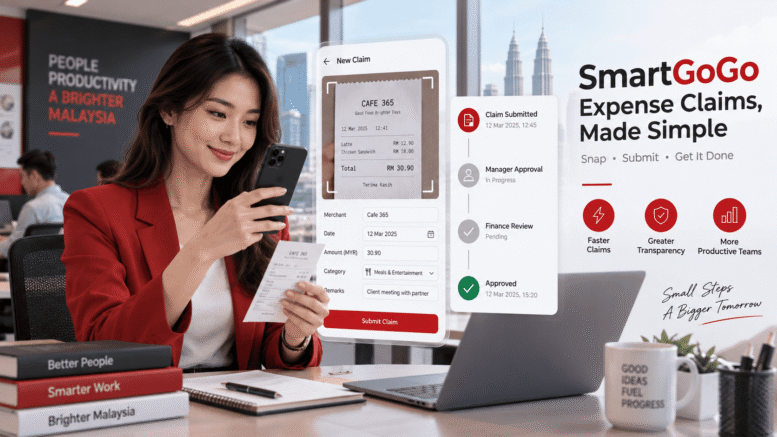
SMART GOGO App: Mobile Workforce Tracking A Practical Buyer’s Guide
In today’s increasingly mobile work environment, managing a dispersed workforce presents unique challenges for Malaysian businesses and organisations. Whether your team works across multiple locations, conducts field operations, or operates on flexible schedules, understanding how to effectively track and manage mobile workers has become essential for operational efficiency, productivity, and accountability.
Mobile workforce tracking solutions have evolved significantly, moving beyond simple GPS monitoring to provide comprehensive insights into field operations, employee productivity, and resource allocation. For decision-makers evaluating mobile workforce tracking options, choosing the right platform can substantially impact how your organisation manages teams, responds to customer needs, and optimises operational costs.
This practical buyer’s guide explores what mobile workforce tracking entails, why it matters for Malaysian businesses, and how to evaluate solutions that align with your organisation’s specific needs.
Understanding Mobile Workforce Tracking
Mobile workforce tracking refers to the use of technology to monitor the location, activities, and productivity of employees who work outside a traditional office environment. This includes field service technicians, delivery personnel, sales representatives, security staff, maintenance teams, and other roles that require field-based operations.
Effective mobile workforce tracking goes beyond simple location visibility. Modern solutions provide insights into time management, task completion, route optimisation, customer interactions, and team communication—all designed to improve operational visibility and support better business decisions.
Why Mobile Workforce Tracking Matters for Malaysian Businesses
Malaysia’s diverse geography and growing service-based economy mean many organisations operate with geographically dispersed teams. Several factors make mobile workforce tracking increasingly relevant:
- Operational Visibility: Real-time awareness of where your team is and what they’re working on helps improve response times and service delivery.
- Accountability and Compliance: Accurate tracking supports compliance with operational standards and helps document work performed for billing or service verification purposes.
- Safety and Security: Knowing the location of field staff enhances worker safety and allows rapid response in emergencies.
- Resource Optimisation: Tracking helps identify inefficient routes, unnecessary travel, or time management issues that affect profitability.
- Customer Service: Real-time location data enables accurate customer communication about arrival times and service delivery windows.
- Data-Driven Decision Making: Historical tracking data reveals patterns that inform staffing, scheduling, and operational improvements.
Key Features to Consider in Mobile Workforce Tracking Solutions
When evaluating mobile workforce tracking apps, several core features should guide your decision-making process.
Real-Time Location Tracking
The ability to see where field staff are located in real time forms the foundation of any mobile workforce tracking solution. This visibility should be available through an intuitive dashboard accessible to managers and supervisors, allowing quick checks on team whereabouts and rapid response to urgent situations.
Task and Job Management
Beyond location, tracking solutions should enable assignment and monitoring of specific tasks or jobs. Features might include job allocation, progress updates, completion confirmation, and historical records of work performed. This helps ensure teams stay focused on assigned priorities and provides documentation of service delivery.
Time and Attendance Tracking
Accurate recording of when employees arrive at job sites, how long they spend on each task, and when they depart is essential for payroll, billing, and productivity analysis. Mobile apps should allow automatic clock-in and clock-out functionality linked to location data.
Route Optimisation
For organisations managing multiple service calls or deliveries per day, route planning capabilities can significantly reduce travel time and fuel costs. Solutions that suggest optimal visit sequences save time and improve efficiency.
Communication and Collaboration
Integrated messaging or notification features allow managers to communicate with field staff without interrupting their work. This keeps teams informed about changes, new priorities, or customer feedback in real time.
Reporting and Analytics
Comprehensive reporting on team productivity, location patterns, task completion rates, and other metrics helps identify trends and support data-driven decision making. Customisable reports allow focus on metrics most relevant to your business.
User-Friendly Mobile Interface
Since field staff use the app throughout their working day, the mobile experience must be intuitive, responsive, and require minimal training. Poor usability leads to adoption resistance and incomplete data.
Common Challenges in Mobile Workforce Tracking Implementation
Understanding potential obstacles helps you prepare for successful deployment and select solutions that address common pain points.
Employee Privacy Concerns: Staff may worry about excessive monitoring or privacy invasion. Successful implementations balance operational needs with reasonable privacy expectations and transparent policies about how location data is used and protected.
Technology Adoption: Field staff sometimes resist new apps, particularly if they perceive additional administrative burden. Solutions with simple interfaces and clear benefit demonstrations achieve better adoption.
Data Connectivity: Field operations in areas with limited mobile coverage may struggle with real-time tracking. Solutions should handle offline functionality and synchronise data when connectivity returns.
Integration with Existing Systems: Many organisations already use accounting software, scheduling tools, or customer management systems. New tracking solutions should integrate smoothly or require minimal manual data transfer.
Cost and Return on Investment: Determining whether tracking benefits justify implementation costs requires clear understanding of what efficiency gains your organisation can realistically achieve.
Best Practices for Mobile Workforce Tracking Implementation
Successfully deploying mobile workforce tracking involves more than selecting software. Consider these implementation best practices:
- Define Clear Objectives: Before implementation, identify specific problems you’re trying to solve—whether improving response times, reducing travel costs, enhancing accountability, or improving safety. Clear objectives guide solution selection and success measurement.
- Involve Field Staff: Include representatives from your field teams in solution evaluation. Their input on usability, functionality needs, and realistic concerns improves outcomes and increases adoption likelihood.
- Establish Transparent Policies: Clearly communicate how tracking data will be used, who can access it, and how privacy will be protected. Transparency reduces resistance and builds trust.
- Provide Adequate Training: Ensure all users receive proper training on app features and usage. Well-trained teams adopt solutions faster and derive greater value.
- Start with a Pilot Program: Test the solution with a subset of your team before full rollout. Pilots identify issues, allow process refinement, and provide success stories that encourage broader adoption.
- Monitor and Refine: After implementation, regularly review whether the solution delivers expected benefits. Refine processes and settings based on actual usage patterns and feedback.
- Ensure Data Security: Confirm that your chosen solution employs robust security measures to protect location data and other sensitive information from unauthorised access.
How Smart Touch Technology Can Help
For Malaysian organisations seeking practical mobile workforce tracking solutions, SMART GOGO app provides a comprehensive platform designed to address the specific needs of field-based operations. The app delivers real-time visibility into mobile workforce activities while supporting the task management, time tracking, and communication features that modern organisations require.
SMART GOGO enables Malaysian businesses to track field operations efficiently, manage team productivity, and gather the insights needed to optimise service delivery and operational costs. Whether your organisation manages delivery personnel, service technicians, sales teams, or other mobile workers, SMART GOGO provides the tools to improve visibility and control.
Interested in this product? Click here to learn more: https://www.smartouch.com.my/smartgogo/
Conclusion
Mobile workforce tracking has become a practical necessity for Malaysian organisations managing field-based teams. By providing real-time visibility, supporting task management, and enabling data-driven decision making, effective tracking solutions help businesses improve productivity, enhance customer service, and optimise operational costs.
When evaluating mobile workforce tracking options, prioritise solutions that balance operational visibility with user-friendly interfaces, offer the specific features your organisation requires, and can integrate with existing systems. Clear implementation planning, transparent communication with your team, and ongoing monitoring of results ensure successful deployment and maximum return on investment.
As your organisation grows and field operations become more complex, reliable mobile workforce tracking becomes increasingly valuable for maintaining visibility, supporting accountability, and supporting the efficiency your business requires to remain competitive.
Smart Touch Technology Pte Ltd
Singapore: www.smartouch.com.sg | +65-63964767 | sales@smartouch.com.sg
Malaysia: www.smartouch.com.my | +607-3889903 | sales@smartouch.com.my