Smartouch HR Solutions: Statutory Payroll Requirements For Malaysian Businesses
Managing payroll in Malaysia involves more than simply calculating wages and processing payments. Malaysian businesses must comply with a comprehensive framework of statutory requirements that govern how employees are paid, what deductions are permitted, and how payroll records must be maintained. These requirements are enforced by multiple government agencies, including the Ministry of Human Resources, the Inland Revenue Board (IRB), and the Social Security Organisation (SOCSO).
Understanding and implementing these statutory payroll requirements is essential for protecting your business from penalties, legal complications, and reputational damage. Non-compliance can result in significant fines, administrative burdens, and strained relationships with employees. This article provides Malaysian businesses with a practical overview of the key statutory payroll requirements they must understand and implement.
Understanding Malaysia’s Statutory Payroll Framework
Malaysia’s payroll regulations are designed to protect employees while ensuring businesses meet their tax and social security obligations. The framework comprises several key components that work together to create a structured system for managing employee compensation.
The statutory payroll framework includes requirements related to minimum wage standards, mandatory deductions, tax obligations, and social security contributions. These requirements apply to virtually all employers in Malaysia, regardless of company size or industry sector. Understanding each component helps ensure your business operates within legal boundaries and maintains compliance throughout the year.
Key Statutory Deductions and Contributions
Income Tax Withholding
Employers in Malaysia are required to withhold income tax from employee salaries based on the Employee’s Tax Relief Form (EA Form). The amount withheld depends on the employee’s income level, personal circumstances, and applicable tax relief claims. This deducted amount must be submitted to the Inland Revenue Board (IRB) according to the specified schedule.
Accurate calculation of income tax withholding is critical, as errors can create tax liabilities for both the employee and employer. Many businesses find this aspect particularly complex due to the various tax relief eligibility criteria and the need to update withholdings when employee circumstances change.
Social Security and Provident Fund Contributions
Malaysian employers must contribute to the Employees Provident Fund (EPF), which is a mandatory retirement savings scheme. The employer typically contributes a percentage of the employee’s salary, while the employee also makes contributions from their gross salary.
Additionally, businesses must contribute to SOCSO (Social Security Organisation) for work-related injury and disability coverage. These contributions are compulsory for all eligible employees and represent a significant component of statutory payroll obligations.
Other Mandatory Deductions
Beyond income tax and social security, Malaysian payroll may include other statutory deductions such as:
- Union dues (where applicable and authorised)
- Court-ordered garnishments or maintenance payments
- Employee loans authorised under employment contracts
- Professional membership fees (in certain sectors)
Each type of deduction has specific rules governing when and how it can be withheld, and employers must ensure they only deduct amounts that are legally permissible and properly authorised.
Payroll Record-Keeping Requirements
Malaysian businesses are legally required to maintain comprehensive payroll records for a specified period. These records must accurately document all wages paid, deductions made, and contributions submitted. The Ministry of Human Resources requires employers to keep payroll records for at least three years, though this requirement may vary depending on other applicable regulations.
Essential payroll records include:
- Individual employee wage registers showing gross salary and all deductions
- Payslips issued to employees
- Records of tax withheld and submitted to the IRB
- EPF and SOCSO contribution statements
- Annual tax returns and reconciliation documents
- Documentation supporting any special payments or allowances
These records serve multiple purposes: they demonstrate compliance during audits, provide evidence in employment disputes, and help resolve discrepancies with government agencies. Businesses that maintain accurate, organized payroll records are better positioned to handle inspections and address inquiries efficiently.
Minimum Wage and Salary Regulations
Malaysia implements a national minimum wage policy that applies to most employees. The minimum wage rate is periodically reviewed and adjusted by the government, and employers must ensure all eligible employees receive at least this amount. It is important to verify the current minimum wage rates, as these are subject to change. Employers should consult the Ministry of Human Resources for the latest rates applicable to their industry and employee category.
Certain categories of workers, such as domestic workers or those in specific sectors, may have different wage regulations. Businesses should ensure they understand which minimum wage provisions apply to their workforce.
Annual Returns and Reconciliation
At the end of each financial year, Malaysian businesses must prepare annual payroll reconciliation and submit required documents to relevant authorities. This typically includes:
- Reconciliation of total wages paid against tax withheld
- Verification that all EPF and SOCSO contributions have been properly remitted
- Annual tax filing and employee tax certificates
- Any adjustments or corrections to prior period submissions
The annual reconciliation process is critical for identifying and correcting any payroll errors before they create larger compliance issues. Many businesses find this process time-consuming and prone to calculation errors when managed manually.
Common Payroll Compliance Challenges
Malaysian businesses frequently encounter several recurring challenges when managing statutory payroll requirements:
- Calculation complexity: Computing accurate tax withholding, EPF contributions, and SOCSO amounts involves multiple variables and updating regulations.
- Timing and submission deadlines: Missing deadlines for tax remittance, EPF deposits, or annual filings can result in penalties and interest charges.
- Record-keeping burden: Maintaining detailed, accurate records across multiple payroll cycles requires significant administrative effort.
- Regulatory changes: Updates to tax rates, contribution percentages, or minimum wage requirements require prompt implementation across payroll systems.
- Multi-state operations: Businesses operating across Malaysian states may face varying requirements and obligations in different jurisdictions.
These challenges often lead to errors, missed deadlines, and unnecessary administrative costs. Businesses that manage payroll manually are particularly vulnerable to these risks.
How Smart Touch Technology Can Help
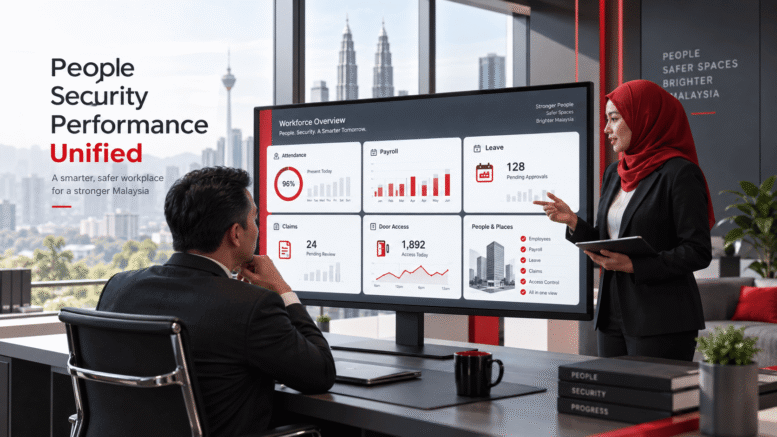
Smart Touch Technology provides HR solutions designed to streamline payroll management and help Malaysian businesses meet their statutory requirements efficiently. The Smartouch HR Solutions platform automates payroll calculations, reducing the manual effort and calculation errors that characterize traditional payroll processing.
By using an integrated HR solution, businesses can ensure payroll accuracy, maintain compliant records automatically, and meet submission deadlines more reliably. The platform helps reduce administrative overhead, allowing HR teams to focus on strategic activities rather than repetitive payroll tasks.
For Malaysian businesses seeking to improve their payroll compliance and operational efficiency, exploring how Smartouch HR Solutions can address your specific needs is a practical next step. The right HR technology can transform payroll from a compliance burden into a streamlined, automated process.
Conclusion
Statutory payroll requirements in Malaysia create a complex but necessary framework for protecting employees and ensuring government obligations are met. Businesses that understand these requirements and implement them consistently gain several advantages: reduced compliance risk, fewer penalties, stronger employee trust, and more efficient administrative processes.
The key to successful payroll management is combining knowledge of the regulations with practical systems and processes. Whether you manage payroll in-house or partner with service providers, ensuring accuracy, timeliness, and completeness across all statutory requirements is essential.
As Malaysian employment and tax regulations continue to evolve, staying informed and using appropriate tools to manage payroll becomes increasingly important. Businesses should regularly review their payroll processes, verify compliance with current requirements, and consider whether their current approach adequately addresses the complexity of Malaysian statutory obligations.
Smart Touch Technology Pte Ltd
Singapore: www.smartouch.com.sg | +65-63964767 | sales@smartouch.com.sg
Malaysia: www.smartouch.com.my | +607-3889903 | sales@smartouch.com.my