Smartouch HR Solutions: Workforce Digitalisation Malaysia For Multi-Site Management
In today’s fast-moving business landscape, Malaysian organisations managing multiple locations face unprecedented challenges in coordinating their workforce effectively. From employee scheduling and performance management to compliance tracking and payroll administration, the complexity multiplies with each additional site. This is where workforce digitalisation becomes not just an advantage, but a necessity.
Workforce digitalisation represents a fundamental shift in how organisations manage their human resources. Rather than relying on fragmented systems, spreadsheets, and manual processes spread across different branches, digitalisation brings all HR functions into a unified, streamlined platform. For Malaysian businesses operating across multiple sites, this transformation can dramatically improve operational efficiency, reduce administrative burden, and create a more engaged workforce.
This article explores how workforce digitalisation specifically addresses the unique challenges of multi-site management in Malaysia, and how modern HR solutions can help your organisation thrive in an increasingly competitive market.
Understanding Workforce Digitalisation in Malaysia
Workforce digitalisation refers to the integration of digital technology into all aspects of human resource management and employee engagement. In Malaysia’s context, this encompasses the adoption of cloud-based systems, mobile applications, and intelligent software that automate, streamline, and optimise HR processes.
Malaysian organisations increasingly recognise that digital HR tools provide more than just administrative convenience. They deliver real business value by:
- Centralising employee data across multiple locations
- Automating routine HR tasks to free up time for strategic work
- Improving visibility into workforce metrics and performance
- Ensuring consistent HR practices across all branches
- Enhancing employee experience and engagement
- Supporting compliance with Malaysian employment regulations
The shift towards digitalisation reflects broader trends in Malaysian business. As the economy becomes more digital-first and competition intensifies, organisations that fail to modernise their HR infrastructure risk falling behind in attracting and retaining talent.
The Multi-Site Management Challenge
Managing a workforce across multiple locations presents distinct challenges that differ from single-site operations. In Malaysia, where many organisations maintain headquarters in Kuala Lumpur alongside branches in Penang, Johor Bahru, Klang, and other major cities, these challenges become particularly acute.
Common Challenges in Multi-Site Operations
When managing multiple branches, HR teams often struggle with:
- Data Fragmentation: Employee information scattered across different systems, spreadsheets, or even paper records at each location
- Inconsistent Processes: Different branches may follow different procedures for leave approval, performance reviews, or recruitment
- Compliance Complexity: Ensuring all sites adhere to Malaysian employment laws, industrial relations requirements, and industry-specific regulations
- Communication Delays: Difficulty coordinating HR decisions and communications across geographically dispersed teams
- Administrative Overhead: Manual consolidation of payroll, attendance, and performance data from multiple locations
- Limited Visibility: Management lacks real-time insights into workforce metrics across the organisation
- Resource Constraints: HR teams duplicated at each site rather than leveraging centralised expertise
These challenges are not merely inconvenient—they directly impact business outcomes. Inefficient HR processes lead to higher operational costs, reduced employee satisfaction, increased turnover, and compliance risks.
How Workforce Digitalisation Solves Multi-Site Problems
A digital HR solution designed for multi-site operations creates a unified ecosystem where all HR functions operate seamlessly across locations. Rather than managing separate systems, your HR team works within one integrated platform that connects all sites in real time.
Centralised Employee Data Management
Digitalisation enables complete centralisation of employee records. Every staff member’s information—from personal details and employment contracts to performance history and training records—exists in a single, secure database accessible to authorised personnel across all locations. This eliminates data silos and ensures information consistency.
Standardised HR Processes
Rather than each branch operating independently, workforce digitalisation allows organisations to implement standardised processes organisation-wide. Leave applications, performance appraisals, recruitment workflows, and other HR functions follow the same methodology across all sites, while still allowing flexibility for location-specific requirements.
Real-Time Visibility and Reporting
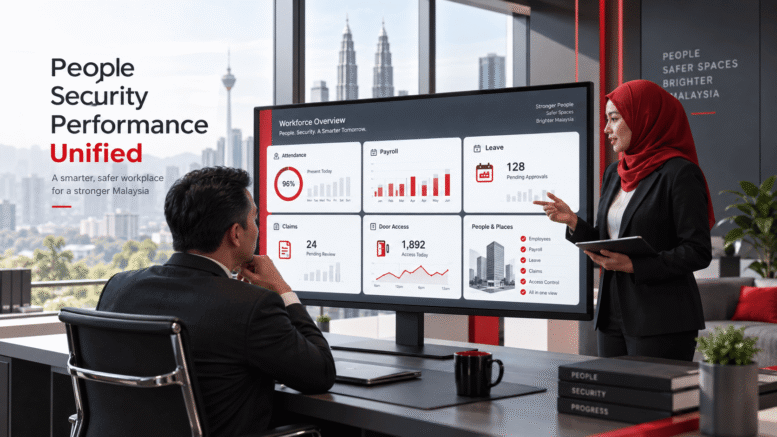
Managers gain instant access to workforce analytics and performance metrics across all locations. Dashboards display attendance patterns, leave balances, performance ratings, turnover rates, and other key indicators in real time. This visibility enables faster, more informed decision-making at both site and organisational levels.
Streamlined Compliance Management
Workforce digitalisation helps organisations maintain compliance across multiple sites. Automated workflows can enforce policy adherence, track regulatory requirements, and generate compliance reports. For Malaysian organisations, this includes adherence to Employment Act requirements, Industrial Relations Act provisions, and industry-specific regulations across all locations.
Improved Communication and Collaboration
Digital platforms facilitate better communication between HR teams at different sites. Rather than relying on email chains or phone calls, teams can collaborate within the system, share updates, and coordinate decisions efficiently.
Key Features That Support Multi-Site HR Management
An effective workforce digitalisation solution for multi-site organisations should include:
- Multi-location user hierarchy: Different access levels and permissions for headquarters, regional managers, and site-level staff
- Integrated payroll processing: Unified payroll system handling different wage structures, tax treatment, and benefit provisions across sites
- Attendance and leave management: Centralised tracking of working hours, leave applications, and absences with location-specific policies
- Mobile accessibility: Employee and manager access to HR functions via mobile apps, important for staff at multiple locations
- Customisable reporting: The ability to generate reports for individual sites or organisation-wide views
- Integration capabilities: Connection with existing business systems like accounting software, time clocks, and communication platforms
- Role-based workflows: Automated processes that route tasks to appropriate approvers based on location and organisational hierarchy
Benefits of Workforce Digitalisation for Malaysian Organisations
Beyond solving multi-site management challenges, workforce digitalisation delivers tangible business benefits:
Operational Efficiency
Automation of routine HR tasks—such as leave processing, roster management, and basic employee queries—reduces the time HR teams spend on administrative work. This frees resources for more strategic initiatives like talent development and organisational planning.
Reduced Costs
By consolidating HR systems and reducing manual processes, organisations lower operating costs. Fewer errors also mean reduced costs associated with compliance issues or payroll mistakes across multiple sites.
Enhanced Employee Experience
When employees can access HR services through self-service portals—checking leave balances, updating personal information, or accessing payslips—the employee experience improves significantly. This is especially valuable in multi-site organisations where physical HR support may not be available at every location.
Better Talent Management
Centralised visibility into employee performance, skills, and development needs enables better talent management decisions. Organisations can more easily identify high performers, plan succession, and match employees to opportunities across locations.
Scalability
As Malaysian organisations grow and add new sites, a digital HR platform scales effortlessly to accommodate additional locations without significant additional infrastructure investment.
Implementation Considerations for Malaysian Businesses
Implementing workforce digitalisation requires careful planning:
- Stakeholder Engagement: Ensure buy-in from HR teams, management, and employees across all sites
- Data Migration: Plan carefully for transferring existing employee data from legacy systems into the new platform
- Training and Support: Provide comprehensive training for HR staff and managers on using the new system
- Regulatory Compliance: Verify that the solution complies with Malaysian data protection, employment, and industry regulations
- Customisation Requirements: Assess how the solution needs to be configured for your specific organisational structure and processes
- Change Management: Develop a change management strategy to guide the transition from manual or legacy systems
How Smart Touch Technology Can Help
Smart Touch Technology provides comprehensive HR solutions designed to support organisations managing multiple sites across Malaysia. Our platforms are built specifically to address the complexities of multi-site workforce management, offering centralised control with location-specific flexibility.
Whether you’re coordinating HR operations across major Malaysian cities or managing a distributed workforce, Smart Touch Technology’s solutions help you standardise processes, improve visibility, and enhance efficiency across all your locations. Our systems integrate seamlessly with your existing business infrastructure and are tailored to support Malaysian employment practices and regulatory requirements.
If you’re considering workforce digitalisation for your multi-site operations, our team can discuss how our solutions align with your specific organisational needs and help you plan a successful implementation.
Conclusion
Workforce digitalisation is no longer optional for Malaysian organisations managing multiple sites—it’s a strategic imperative. By moving away from fragmented systems and manual processes, organisations can achieve consistency, visibility, and efficiency that drives real business value.
The challenge of coordinating HR functions across multiple locations requires a solution that centralises data and processes while maintaining the flexibility to meet location-specific needs. Modern workforce digitalisation platforms provide exactly this capability, transforming how organisations manage their most valuable resource: their people.
For Malaysian businesses ready to embrace digital HR transformation, the time to act is now. The organisations that successfully implement comprehensive workforce digitalisation will gain competitive advantage through improved efficiency, better talent management, and enhanced employee experience.
Smart Touch Technology Pte Ltd
Singapore: www.smartouch.com.sg | +65-63964767 | sales@smartouch.com.sg
Malaysia: www.smartouch.com.my | +607-3889903 | sales@smartouch.com.my