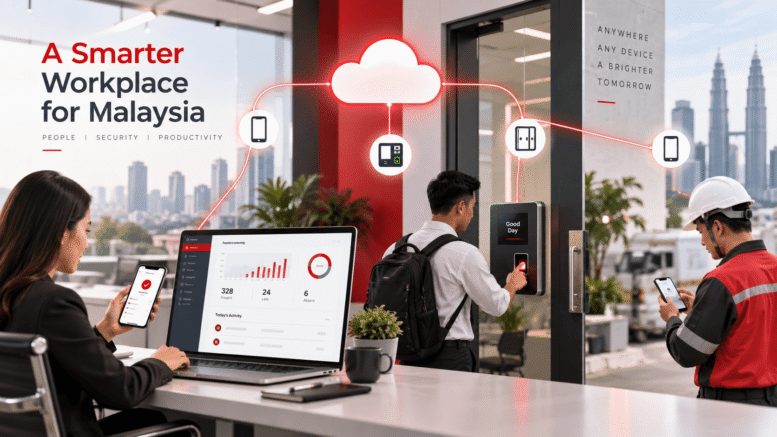
Smartouch HR Solutions: Workforce Digitalisation Malaysia For Secure Digital Operations
In today’s rapidly evolving business landscape, workforce digitalisation has become essential for Malaysian organisations looking to remain competitive and efficient. As businesses increasingly rely on digital systems to manage human resources, payroll, attendance, and employee data, the need for secure, reliable HR solutions has never been more critical. Companies across Malaysia are recognising that traditional paper-based HR processes are no longer sufficient to meet modern operational demands, regulatory requirements, and employee expectations.
Workforce digitalisation Malaysia represents more than just switching from manual processes to digital ones. It encompasses a comprehensive transformation of how organisations recruit, manage, develop, and retain their workforce while ensuring that sensitive employee information remains protected. This article explores the importance of HR digitalisation, the challenges Malaysian businesses face, and how modern HR solutions can support secure digital operations.
Why Workforce Digitalisation Matters for Malaysian Businesses
Malaysia’s business environment is becoming increasingly digital. Government initiatives promoting Industry 4.0 and digital transformation have encouraged organisations to modernise their operations across all departments, including human resources. For HR departments specifically, digitalisation offers significant advantages that directly impact organisational performance.
When HR processes are digitalised, businesses can streamline administrative tasks, reduce errors, and free up HR professionals to focus on strategic initiatives. Digital HR systems enable faster data processing, improved accuracy in payroll calculations, and easier compliance with Malaysian employment regulations. Additionally, digitalised HR operations provide better employee experiences through self-service portals, transparent leave management systems, and easier access to important employment information.
For Malaysian organisations operating across multiple locations or managing large workforces, digitalised HR systems provide centralised control and visibility. Managers can access real-time information about their teams, make informed decisions more quickly, and ensure consistency in HR policies across the entire organisation.
Common Challenges in HR Digitalisation
Despite the clear benefits, many Malaysian organisations face significant challenges when attempting to digitalise their HR operations. Understanding these obstacles is crucial for developing effective solutions.
Data Security Concerns
Employee data is highly sensitive and requires robust protection. Malaysian businesses handling personal information must ensure compliance with data protection regulations and industry best practices. Organisations worry about data breaches, unauthorised access, and loss of confidential employee information during the transition to digital systems.
Legacy System Integration
Many organisations still rely on older systems that don’t communicate efficiently with modern HR solutions. Integrating new digital HR platforms with existing accounting software, payroll systems, and other business applications can be complex and time-consuming.
User Adoption
Introducing new digital systems requires employees and managers to adopt new ways of working. Without proper training and change management, users may resist the transition or use systems inefficiently, undermining the benefits of digitalisation.
Regulatory Compliance
Malaysian businesses must comply with various employment laws, taxation requirements, and industry-specific regulations. Ensuring that digital HR solutions meet all applicable legal requirements can be challenging, particularly for organisations unfamiliar with specific compliance obligations.
Key Features of Effective HR Digitalisation Solutions
Successful workforce digitalisation in Malaysia requires HR solutions that address the specific needs of the local business environment. Effective digital HR platforms typically include several core features.
Secure Employee Data Management
A reliable HR solution must provide encrypted data storage, role-based access controls, and audit trails to ensure that only authorised personnel can access sensitive employee information. Security should be built into every aspect of the system, not added as an afterthought.
Automated Payroll and Benefits Processing
Digital HR systems should automate routine payroll calculations, tax deductions, and benefits administration. This reduces the risk of errors, ensures timely and accurate salary payments, and simplifies compliance with Malaysian tax and social security requirements.
Leave and Attendance Management
Centralised management of leave requests, approvals, and attendance tracking streamlines administrative work and provides clear visibility into workforce availability. Employees can request leave through self-service portals, reducing back-and-forth communication with HR.
Performance Management and Development
Digital platforms enable better tracking of employee performance, goal setting, and professional development initiatives. Managers can provide feedback more easily, and employees can access training resources and career development opportunities.
Self-Service Employee Portals
Empowering employees with access to their own HR information—such as payslips, leave balances, and employment contracts—reduces the administrative burden on HR departments and improves employee satisfaction.
Real-Time Reporting and Analytics
Comprehensive reporting capabilities provide HR leaders and business managers with actionable insights into workforce trends, costs, and performance metrics. Data-driven insights support better decision-making at all levels of the organisation.
Best Practices for Implementing Workforce Digitalisation
Successfully implementing HR digitalisation in Malaysian organisations requires careful planning and execution. Consider these best practices:
- Assess current state: Evaluate existing HR processes, systems, and pain points before selecting a new solution. Understanding what works and what needs improvement ensures the new system addresses actual business needs.
- Secure stakeholder buy-in: Engage HR team members, department managers, and employees early in the planning process. When stakeholders understand the benefits and feel heard, adoption improves significantly.
- Prioritise data security: Work with solution providers who can demonstrate strong security practices, including data encryption, regular security audits, and compliance with relevant data protection standards.
- Plan for integration: Ensure the new HR solution can integrate smoothly with existing systems such as accounting software, payroll systems, and business intelligence tools.
- Invest in training: Provide comprehensive training to all users, tailored to different roles and technical skill levels. Ongoing support helps users develop confidence with the new system.
- Start with pilots: Consider implementing the new system with a pilot group before rolling out organisation-wide. This allows you to identify issues, refine processes, and build internal expertise before full deployment.
- Maintain change management focus: Recognise that digitalisation involves change management, not just technology implementation. Clear communication about why the change is happening and what benefits it brings helps teams adapt more readily.
The Role of Secure Digital Operations in HR
Secure digital operations form the foundation of any effective HR digitalisation initiative. This encompasses not only the technical security of systems and data but also the operational practices that protect sensitive information throughout its lifecycle.
Organisations must ensure that access to employee data is strictly controlled, with different permission levels for different roles. An HR administrator may need full access to employee records, while a department manager might only need to see information relevant to their direct reports. System logs and audit trails should track who accesses what information and when, providing accountability and helping detect unauthorised access.
Regular security updates, data backups, and disaster recovery procedures are essential components of secure digital HR operations. Should a system fail or suffer a security incident, organisations need the ability to recover quickly and protect employee information.
Beyond technology, secure operations require clear policies and procedures. Employees and managers should understand their responsibilities for protecting sensitive data, how to report security concerns, and what to do if a potential breach occurs.
How Smart Touch Technology Can Help
Smart Touch Technology understands the unique challenges faced by Malaysian organisations implementing workforce digitalisation. With deep experience serving businesses across the region, Smart Touch Technology offers HR solutions designed to support secure digital operations while meeting the specific needs of Malaysian enterprises.
Smart Touch Technology’s approach emphasises both functionality and security. The company works with organisations to understand their HR processes, regulatory requirements, and operational challenges, then provides solutions tailored to their specific context. Whether you’re managing payroll across multiple states, coordinating leave approvals across departments, or ensuring data protection compliance, Smart Touch Technology’s solutions are built to support these critical HR functions.
By partnering with Smart Touch Technology, Malaysian organisations can accelerate their HR digitalisation journey with confidence, knowing they have a provider committed to both business transformation and data security.
If your organisation is ready to explore how workforce digitalisation can improve your HR operations while maintaining the highest standards of data security, we invite you to connect with the Smart Touch Technology team. They can discuss your specific needs and show you how digital HR solutions can support your business objectives.
Conclusion
Workforce digitalisation Malaysia represents a strategic investment in organisational efficiency, employee experience, and data security. As Malaysian businesses face increasing competition and evolving regulatory requirements, digital HR solutions have become essential tools for success.
The transition to digitalised HR operations requires careful planning, attention to security, and a commitment to supporting users through the change process. However, the benefits—including improved accuracy, faster processing, better compliance, and enhanced employee satisfaction—make the effort worthwhile.
Whether your organisation is just beginning to explore HR digitalisation or looking to enhance existing digital operations, understanding the key features, best practices, and security considerations outlined in this article provides a solid foundation for success. By partnering with experienced technology providers who understand the Malaysian business environment, organisations can implement HR solutions that drive real business value while protecting sensitive employee information.
Smart Touch Technology Pte Ltd
Singapore: www.smartouch.com.sg | +65-63964767 | sales@smartouch.com.sg
Malaysia: www.smartouch.com.my | +607-3889903 | sales@smartouch.com.my