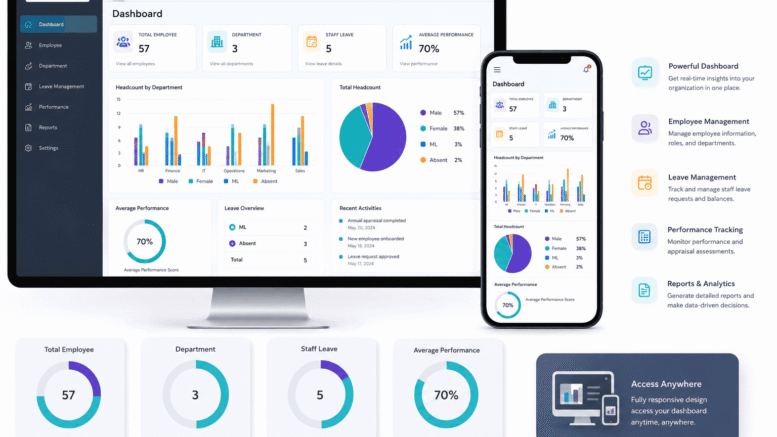
SmartPay: LHDN-Compliant Salary Processing For Growing Companies
Managing employee payroll is one of the most critical responsibilities for any growing company in Malaysia. Beyond simply paying your staff on time, employers must navigate complex regulatory requirements, tax calculations, and compliance obligations set by the Inland Revenue Board of Malaysia (LHDN). For many businesses, particularly those experiencing rapid growth, managing these requirements manually can become time-consuming, error-prone, and costly.
This is where modern payroll solutions come into play. SmartPay offers a streamlined approach to salary processing that helps growing companies meet LHDN compliance requirements while reducing administrative burden and minimising the risk of costly mistakes.
Understanding Malaysia’s Salary Processing and LHDN Requirements
Malaysia’s payroll environment is highly regulated. Employers are required to withhold income tax from employee salaries, manage Employee Provident Fund (EPF) contributions, handle Socso (employment injury insurance), and maintain accurate payroll records. The LHDN sets specific guidelines for how these deductions must be calculated and reported.
For companies with growing headcount, managing these requirements becomes increasingly complex. Manual spreadsheet-based payroll systems often struggle to keep pace with:
- Accurate tax calculations based on LHDN guidelines
- Consistent EPF and Socso contribution processing
- Timely salary payments across multiple employees
- Comprehensive payroll audit trails and records
- Year-end tax reconciliation and reporting
- Employee self-service access to payslips and tax information
Non-compliance with LHDN requirements can result in penalties, increased scrutiny during audits, and damage to your company’s reputation. As your business grows, the stakes only get higher.
The Challenges Growing Companies Face With Traditional Payroll Systems
Many Malaysian businesses start with manual payroll processes using spreadsheets or basic accounting software. While these solutions may work when you have a small team, they quickly become problematic as your company scales.
Common Pain Points
Manual Calculation Errors: When payroll is processed manually, human error is inevitable. A single mistake in tax calculations or deductions can affect employee satisfaction, create compliance issues, and require costly corrections.
Time-Consuming Administration: As headcount increases, the time required to process payroll, calculate deductions, and generate reports grows exponentially. This diverts valuable resources away from more strategic HR and finance activities.
Compliance Risk: LHDN requirements change periodically, and tax rules can be complex. Without automated systems that stay updated with the latest regulations, companies risk non-compliance.
Poor Visibility and Reporting: Traditional systems often lack comprehensive reporting capabilities, making it difficult to monitor payroll costs, track deductions, or conduct audits quickly.
Employee Frustration: When payslips are delayed or contain errors, employees become frustrated. This affects morale and engagement, particularly in growing companies where communication and trust are crucial.
What LHDN-Compliant Salary Processing Means
LHDN-compliant salary processing refers to payroll systems and processes that strictly adhere to Malaysian tax and employment regulations. This includes:
- Accurate calculation and withholding of income tax based on LHDN tax tables and brackets
- Correct computation of EPF employer and employee contributions
- Proper handling of Socso and other statutory deductions
- Maintenance of detailed payroll records for audit purposes
- Timely and accurate reporting to relevant authorities
- Protection of sensitive employee financial data
For a growing company, choosing a payroll solution that is built with LHDN compliance at its core eliminates guesswork and reduces the need for constant manual oversight.
Key Benefits of Automated Payroll Processing
When growing companies implement a properly configured automated payroll system, they experience significant operational and financial benefits:
- Accuracy: Automated calculations reduce human error and ensure consistent, compliant salary processing every pay cycle.
- Time Savings: Payroll administrators can process salaries for hundreds of employees in a fraction of the time required for manual methods.
- Regulatory Confidence: Built-in compliance features help ensure that your company meets LHDN requirements consistently.
- Cost Efficiency: Fewer errors mean fewer costly corrections and compliance issues. Reduced manual work also lowers administrative costs.
- Better Employee Experience: Timely, accurate salary payments and easy access to payslips improve employee satisfaction and retention.
- Improved Reporting and Analysis: Automated systems provide detailed insights into payroll costs, helping with budgeting and financial planning.
- Audit Readiness: Comprehensive records and audit trails make it easier to respond to LHDN inquiries or internal audits.
How SmartPay Supports Growing Companies
SmartPay is designed specifically for Malaysian companies that need reliable, compliant salary processing without the complexity and overhead of legacy payroll systems. The solution addresses the core challenges faced by growing businesses:
LHDN Compliance Built In: SmartPay handles tax calculations, EPF contributions, Socso, and other statutory deductions in accordance with current LHDN guidelines, reducing compliance risk and administrative burden.
Scalable Processing: Whether you have 10 employees or 1,000, SmartPay scales to meet your growing payroll needs without requiring significant changes to your process or infrastructure.
Automated Calculations: The system automatically computes salaries, deductions, and tax withholdings based on employee data and company policies, minimising manual work and the risk of error.
Comprehensive Record Keeping: SmartPay maintains detailed payroll records that support audits, financial reporting, and regulatory compliance.
Employee Self-Service: Employees can access their payslips, tax information, and other payroll-related documents online, reducing HR inquiries and improving transparency.
Integration Capabilities: SmartPay integrates with other business systems, enabling seamless data flow and eliminating the need for manual data re-entry across multiple platforms.
By choosing SmartPay, growing companies can focus on their core business while knowing that salary processing and compliance are being handled reliably and efficiently.
Practical Tips for Implementing Payroll Solutions in Growing Companies
If you’re considering implementing an automated payroll system, keep these practical considerations in mind:
- Plan Your Data Migration: Ensure that existing employee data is clean, complete, and properly formatted before migrating to the new system.
- Verify LHDN Compliance: Confirm that the payroll solution is updated with the latest LHDN tax rates, rules, and requirements for the current tax year.
- Train Your Team: Invest time in training payroll administrators and HR staff on how to use the new system effectively.
- Test Before Going Live: Run test payroll cycles to verify that calculations are correct and that the system works as expected before processing actual employee salaries.
- Document Your Processes: Create clear documentation of your payroll policies and procedures within the new system to ensure consistency as your company grows.
- Establish Data Security Practices: Ensure that sensitive payroll and employee financial data is protected through appropriate security measures.
- Plan for Scalability: Choose a solution that can grow with your company without requiring a complete overhaul as headcount increases.
Why Compliance Matters for Your Bottom Line
Beyond the obvious legal obligation, LHDN compliance has direct financial implications for growing companies. Payroll-related errors can result in:
- Penalties and interest charges from the LHDN
- Time spent responding to tax authority inquiries
- Potential reputational damage affecting recruitment and client relationships
- Employee disputes over payroll discrepancies
- Increased audit costs if your records are not properly maintained
Investing in a compliant payroll solution like SmartPay is not just about avoiding problems—it’s about creating a reliable foundation for sustainable business growth.
Getting Started With SmartPay
Growing companies that want to streamline their payroll operations and ensure LHDN compliance can explore SmartPay as their solution. The system is built to scale with your business, reduce administrative overhead, and provide the accuracy and compliance confidence that modern Malaysian businesses require.
Whether you’re currently struggling with manual payroll processes or looking to upgrade your existing system, SmartPay offers a practical, professional approach to salary processing that supports your company’s growth trajectory.
Conclusion
As your company grows, effective and compliant salary processing becomes increasingly important. Manual payroll systems introduce risk, consume valuable time, and can result in costly errors. LHDN-compliant salary processing through a dedicated solution like SmartPay enables growing companies to process payroll accurately, maintain regulatory compliance, and focus their resources on driving business growth rather than administrative burden.
By implementing a reliable payroll system now, you’re setting your company up for sustainable, efficient operations as you scale. The investment in automation and compliance pays dividends in reduced risk, improved employee satisfaction, and greater financial control.
To learn more about how SmartPay can support your growing company’s payroll needs, reach out to the Smart Touch Technology team today.
Smart Touch Technology Pte Ltd
Singapore: www.smartouch.com.sg | +65-63964767 | sales@smartouch.com.sg
Malaysia: www.smartouch.com.my | +607-3889903 | sales@smartouch.com.my