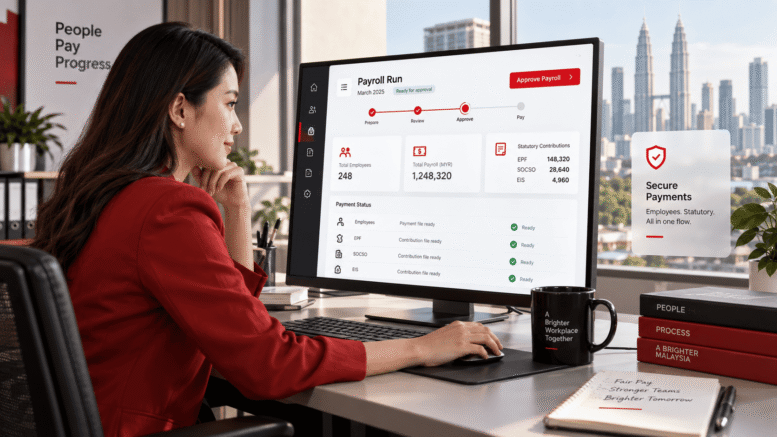
SmartPay Payroll Software For Accurate Payroll And Statutory Compliance: For Enterprise Operations
Managing payroll and statutory compliance is one of the most critical responsibilities for enterprise organisations in Malaysia. When payroll processes are handled manually or with outdated systems, the risks multiply—from calculation errors and missed compliance deadlines to employee dissatisfaction and potential regulatory penalties.
For large organisations with hundreds or thousands of employees, the complexity of payroll management extends far beyond simple salary calculations. It encompasses tax deductions, statutory contributions, leave management, performance incentives, and adherence to multiple layers of Malaysian employment legislation and regulations. A single error can cascade through an organisation, affecting employee trust, financial records, and regulatory standing.
This is where comprehensive payroll software becomes essential. A robust payroll solution designed for enterprise operations can streamline processes, reduce administrative burden, and ensure that every payroll cycle meets legal requirements with accuracy and consistency.
Understanding Enterprise Payroll Challenges
Enterprise organisations face unique payroll challenges that smaller businesses may not encounter. The scale of operations, diversity of employment contracts, multiple salary structures, and varying departmental needs create a complex ecosystem that demands precision and flexibility.
Complexity of Large-Scale Payroll Processing
When managing payroll for hundreds or thousands of employees, manual processes become impractical and error-prone. Different employee categories—permanent staff, contract workers, part-time employees, and executives—often require different calculation rules and compliance considerations. Add to this the need to track leave balances, overtime, allowances, deductions, and bonuses, and the administrative workload becomes substantial.
Statutory Compliance Requirements in Malaysia
Malaysian businesses must navigate multiple compliance requirements, including contributions to the Employees Provident Fund (EPF), Social Security Organisation (SOCSO) contributions, income tax withholding, and payroll tax compliance. Additionally, organisations must adhere to the Employment Act and various industry-specific regulations. These requirements are subject to change, and staying current with legislative updates is essential to avoid penalties and reputational damage.
For the most current and detailed information regarding specific statutory requirements and rates, it is advisable to consult the latest guidance from the relevant Malaysian authorities such as the Inland Revenue Board (IRB) and the EPF.
Risk of Manual Errors and Compliance Gaps
Manual payroll processing introduces multiple risk points. Calculation errors, incorrect tax withholding, missed contribution deadlines, and inconsistent application of policies can result in employee grievances, audit failures, and financial penalties. Enterprise organisations cannot afford these risks.
Key Features of Modern Payroll Software
Professional payroll software designed for enterprise operations should provide comprehensive functionality that addresses the full spectrum of payroll and compliance needs.
Automated Salary Calculation and Processing
Modern payroll systems automate complex calculations based on predefined rules and policies. This includes gross salary computation, statutory deductions, voluntary contributions, and allowance management. Automation reduces the time spent on manual calculations and significantly minimises the risk of computational errors.
Statutory Compliance and Tax Management
Payroll software should integrate statutory compliance features that automatically calculate and withhold income tax, EPF contributions, SOCSO contributions, and other mandatory deductions. The system should also maintain audit trails and generate compliance reports needed for submission to relevant authorities.
Leave and Absence Management
Enterprise payroll systems should track different types of leave—annual leave, sick leave, compassionate leave, and unpaid leave—and calculate their impact on payroll. Accurate leave management prevents overpayment and ensures compliance with employment legislation regarding minimum leave entitlements.
Reporting and Analytics
Comprehensive reporting capabilities allow organisations to analyse payroll data, monitor compliance metrics, generate statutory reports, and gain insights into labour costs. Real-time dashboards and customisable reports help finance teams make informed decisions.
Integration with Other Business Systems
Enterprise payroll software should integrate with other critical systems such as human resources management systems (HRMS), accounting software, and timekeeping systems. This integration ensures data consistency and reduces manual data entry.
Benefits of Implementing Enterprise Payroll Software
Investing in dedicated payroll software delivers significant benefits for large organisations.
- Improved Accuracy – Automated calculations and validation rules reduce errors, ensuring employees are paid correctly and on schedule.
- Enhanced Compliance – Built-in compliance features ensure statutory requirements are met consistently, reducing regulatory risk.
- Time Efficiency – Automation dramatically reduces the time spent on payroll processing, freeing finance teams to focus on strategic work.
- Better Data Security – Centralised systems with role-based access controls and encryption protect sensitive employee and financial data.
- Improved Employee Satisfaction – Accurate, timely payments and easy access to payslips and tax statements improve employee confidence and satisfaction.
- Scalability – Enterprise payroll software grows with your organisation, accommodating new employees, locations, and business requirements.
- Cost Savings – Reduced administrative overhead, fewer compliance penalties, and improved operational efficiency translate to measurable cost savings.
Considerations When Selecting Payroll Software
Choosing the right payroll solution for enterprise operations requires careful evaluation of several factors.
Compliance with Malaysian Requirements
Ensure the software is designed to comply with Malaysian statutory requirements and is regularly updated to reflect changes in legislation. The system should support local tax calculations, EPF and SOCSO processing, and other regulatory requirements specific to Malaysia.
Scalability and Performance
The system must handle your current employee count comfortably and support growth without performance degradation. It should process large-scale payroll cycles efficiently and reliably.
User-Friendly Interface
Even powerful software is only effective if staff can use it confidently. Look for systems with intuitive interfaces, comprehensive training resources, and responsive customer support.
Customisation and Flexibility
Every organisation has unique payroll policies and requirements. The software should allow configuration of salary structures, deduction rules, and approval workflows to match your specific needs.
Data Security and Backup
Payroll systems handle sensitive personal and financial information. Ensure the solution includes robust security measures, regular backups, and disaster recovery capabilities.
Common Payroll Problems and How Software Solves Them
Understanding the specific problems that payroll software addresses helps illustrate its value for enterprise operations.
Late or Incorrect Payments
Problem: Manual payroll processing often leads to delays, calculation errors, and employee frustration.
Solution: Automated payroll software processes payments on schedule with consistent accuracy, reducing errors and improving employee satisfaction.
Compliance Violations and Penalties
Problem: Missing statutory deadlines or incorrect contribution calculations expose organisations to regulatory penalties and reputational damage.
Solution: Built-in compliance features ensure all statutory obligations are met automatically, with audit trails for verification.
Difficulty Accessing Payroll Records
Problem: Employees struggle to access payslips and tax documents, creating additional workload for HR departments.
Solution: Modern payroll systems provide employee self-service portals where staff can access payslips, tax statements, and leave information anytime.
Inability to Analyse Labour Costs
Problem: Without proper reporting tools, organisations struggle to understand payroll trends and control costs.
Solution: Comprehensive reporting and analytics provide visibility into labour costs, headcount trends, and budget variance.
How Smart Touch Technology Can Help
Smart Touch Technology understands the payroll and compliance challenges facing Malaysian enterprises. SmartPay is specifically designed to deliver accurate payroll processing and statutory compliance for large-scale operations.
SmartPay streamlines the complete payroll lifecycle, from employee data management through payment processing and statutory reporting. The system is built with Malaysian compliance requirements at its core, ensuring that your organisation meets all statutory obligations consistently and confidently.
With SmartPay, enterprise organisations can automate complex payroll calculations, reduce administrative burden, and gain full visibility into payroll operations through comprehensive reporting. The system’s flexibility allows you to customise salary structures and policies to match your organisation’s unique requirements, while built-in security measures protect sensitive employee data.
Whether you operate a single large facility or multiple locations across Malaysia, SmartPay scales to support your enterprise payroll needs with reliability and accuracy.
To explore how SmartPay can improve your payroll operations and ensure statutory compliance, contact Smart Touch Technology to discuss your specific requirements and learn about implementation options tailored to your organisation.
Conclusion
Accurate payroll processing and statutory compliance are non-negotiable requirements for enterprise organisations operating in Malaysia. The complexity of managing large-scale payroll operations, combined with stringent regulatory requirements, makes professional payroll software an essential business tool rather than an optional convenience.
By implementing robust payroll software, enterprise organisations can eliminate manual errors, ensure consistent compliance, reduce administrative costs, and improve employee satisfaction. The investment in the right payroll solution pays dividends through operational efficiency, reduced risk, and reliable financial management.
As your organisation grows and evolves, your payroll system should grow with you, providing the scalability, flexibility, and reliability needed for sustainable success. Evaluating payroll software options carefully and selecting a solution designed specifically for enterprise operations ensures that your organisation can manage payroll with confidence and focus resources on core business activities.
Smart Touch Technology Pte Ltd
Singapore: www.smartouch.com.sg | +65-63964767 | sales@smartouch.com.sg
Malaysia: www.smartouch.com.my | +607-3889903 | sales@smartouch.com.my