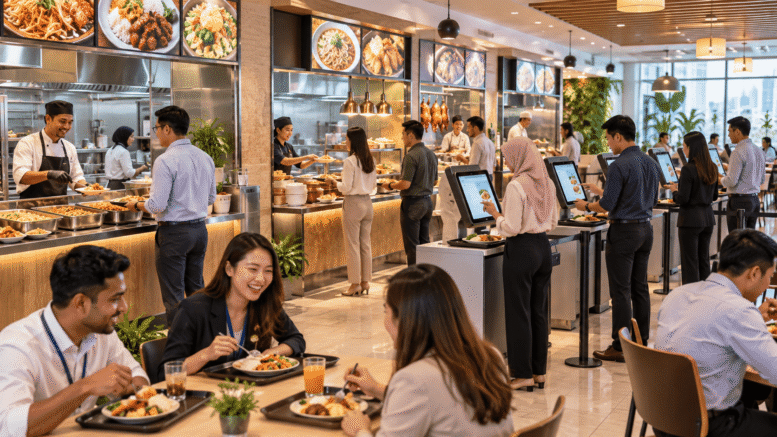
Staff Meal Subsidy Management System Malaysia: Preventing Duplicate Claims And Waste
Managing staff meal subsidies is a common responsibility for many Malaysian organisations. Whether you operate a large corporation, manufacturing facility, or educational institution, providing meal benefits to employees is a valued practice that supports workplace satisfaction and wellness. However, without proper oversight, meal subsidy programmes can become vulnerable to duplicate claims, fraudulent transactions, and significant financial waste.
Many organisations struggle with manual subsidy management systems that rely on paper records, spreadsheets, or basic point-of-sale integration. These traditional methods are time-consuming, prone to human error, and difficult to audit. The result is lost revenue, inflated canteen costs, and administrative headaches for HR and finance teams.
This article explores the challenges of managing staff meal subsidies effectively and explains how a modern canteen management system can help prevent duplicate claims, reduce waste, and improve overall operational efficiency.
Understanding Staff Meal Subsidy Challenges in Malaysia
Staff meal subsidies remain an important employee benefit in Malaysia’s business landscape. However, the administration of these programmes presents several operational and financial risks.
Common Issues with Traditional Subsidy Management
Many Malaysian organisations still rely on outdated methods to track and approve meal subsidies. These approaches create multiple vulnerabilities:
- Duplicate claims: Without centralised records, employees may claim the same meal subsidy multiple times or receive subsidies they are not entitled to.
- Manual processing delays: Paper-based or spreadsheet-driven systems require significant time to process, verify, and reconcile subsidy claims.
- Lack of real-time visibility: Finance teams cannot access accurate, up-to-date information about subsidy spending and canteen transactions.
- Difficulty auditing: When disputes arise, tracing specific transactions and verifying claims becomes laborious and unreliable.
- Staff fraud: Without transaction monitoring, employees or canteen operators may exploit the subsidy system through false claims or unauthorised transactions.
- Overspending and waste: Uncontrolled subsidy usage leads to inflated canteen budgets and operational inefficiencies.
The Business Impact of Poor Subsidy Management
Ineffective meal subsidy management creates direct and indirect costs for organisations. When duplicate claims go undetected, the organisation bears the financial burden. Administrative staff spend excessive time investigating discrepancies instead of performing higher-value work. Employees become frustrated when subsidy approvals are delayed or when system errors affect their benefits.
Beyond financial loss, poor subsidy management can damage organisational culture. When employees perceive that the system is unfair or that some staff members receive better treatment due to administrative errors, trust in HR and management diminishes.
For canteen operators, an uncontrolled subsidy system can lead to unsustainable operations. They may serve more meals than budgeted, resulting in increased food waste, overstocking, and operational losses.
How Duplicate Claims Occur
Understanding how duplicate claims happen is essential for implementing effective prevention measures.
Technical and Process Failures
Duplicate claims often arise from system failures rather than deliberate fraud. Employees may swipe their card twice if the transaction does not process immediately. Payment systems that lack real-time confirmation can create ambiguity about whether a transaction was successful, leading employees to repeat the action.
In manual systems, clerical staff may accidentally process the same claim twice while working through a backlog of subsidy requests. Without a centralised database that tracks all transactions, these errors remain undetected.
Intentional Misuse
In some cases, employees deliberately exploit gaps in the system. They may attempt to claim subsidies using different identification methods or on behalf of colleagues. Without comprehensive transaction monitoring, such abuse can persist for extended periods.
Implementing Controls to Prevent Duplicate Claims
Organisations should establish multiple layers of control to prevent duplicate claims and reduce waste in meal subsidy programmes.
Real-Time Transaction Monitoring
The most effective approach is to implement a system that records every transaction in real time and prevents duplicate processing. When an employee makes a meal purchase, the system should immediately log the transaction, deduct the appropriate subsidy, and confirm the action to both the employee and the canteen operator.
Real-time monitoring also enables the system to enforce daily or weekly subsidy limits. If an employee has already received their allocated subsidy for a given period, the system automatically rejects further claims until the next cycle begins.
Digital Employee Identification
Card-based or biometric identification systems create a clear audit trail. Unlike informal methods or cash-based subsidies, digital identification ensures that every claim is linked to a specific employee and timestamp. This eliminates the possibility of one person claiming benefits on behalf of another.
Centralised Data Management
A centralised database allows authorised personnel to access complete records of all subsidy claims and canteen transactions. Finance teams can quickly identify patterns, detect anomalies, and investigate discrepancies. Historical data also supports trend analysis and budget forecasting.
Automated Approval Workflows
Rather than relying on manual review, organisations can establish automated rules that approve or reject claims based on predefined criteria. These rules might check whether an employee is entitled to a subsidy, whether they have reached their limit for the period, and whether the transaction falls within expected parameters.
Reducing Waste Through Better Insights
A properly managed subsidy system provides valuable data that helps organisations reduce waste and improve canteen operations.
By tracking meal purchases over time, organisations can identify popular menu items, understand peak demand periods, and optimise food purchasing and preparation. Canteen operators can use this information to reduce overstocking and food waste.
Subsidy data also reveals patterns in employee behaviour. If certain departments or shifts have higher meal purchase rates, the canteen can adjust staffing or inventory accordingly. If some employees rarely use their subsidies, the organisation might consider alternative benefits or communication strategies.
How Smart Touch Technology Can Help
Smart Touch Technology’s smart canteen system is designed to address the challenges of managing staff meal subsidies effectively in Malaysian organisations. The system integrates employee identification, real-time transaction processing, and comprehensive reporting in a single platform.
By implementing the smart canteen system, organisations benefit from automated transaction recording that prevents duplicate claims, real-time subsidy balance updates that inform employees of their remaining benefits, and detailed audit trails that support compliance and investigation activities. Finance teams gain access to comprehensive reporting that shows spending patterns, identifies anomalies, and supports budget management.
The system also supports flexible subsidy rules, allowing organisations to define different benefit levels for different employee categories, establish daily or weekly limits, and create time-based restrictions. These controls can be updated easily as organisational policies change.
You can read more about our compliance features by visiting https://www.smartouch.com.my/canteen-management-system-2/. This resource provides detailed information about how the smart canteen system helps Malaysian organisations manage subsidies, prevent fraud, and improve operational efficiency.
Best Practices for Subsidy Management
Beyond implementing technology, organisations should establish clear policies and procedures for managing staff meal subsidies.
- Define clear eligibility criteria: Specify which staff members are entitled to subsidies and under what conditions they can claim them.
- Set transparent limits: Establish daily, weekly, or monthly subsidy limits and communicate these clearly to employees.
- Conduct regular audits: Review subsidy claims and canteen transactions periodically to identify errors or irregularities.
- Communicate with employees: Educate staff about the subsidy programme, how to use it correctly, and the consequences of misuse.
- Review and adjust policies: Analyse subsidy data regularly and adjust policies to reflect organisational needs and budgets.
- Ensure canteen cooperation: Work closely with canteen operators to align subsidy policies with operational capabilities and to monitor compliance.
Compliance and Record-Keeping Considerations
Malaysian organisations should ensure that their subsidy management systems support compliance with relevant employment and financial regulations. While subsidy arrangements vary by company, maintaining accurate records of all claims and approvals is important for audit purposes and to defend against potential disputes.
Organisations should also consider data protection requirements when implementing digital subsidy systems. Personal data related to employee transactions should be stored securely and accessed only by authorised personnel.
For specific compliance requirements applicable to your organisation, it is advisable to consult with your human resources team, finance department, and legal advisors to ensure that your subsidy management practices align with relevant Malaysian employment standards and organisational policies.
Conclusion
Managing staff meal subsidies effectively is essential for controlling costs, maintaining employee satisfaction, and preventing waste in Malaysian organisations. Duplicate claims, manual processing errors, and lack of visibility are common problems that erode financial benefits and create administrative burden.
By implementing a modern canteen management system with real-time transaction monitoring, digital employee identification, and centralised data management, organisations can prevent duplicate claims, reduce waste, and gain valuable insights into employee behaviour and canteen operations.
The investment in proper subsidy management systems typically pays for itself through reduced fraud, improved operational efficiency, and better budget control. Combined with clear policies and regular audits, technology-enabled subsidy management creates a fair, transparent, and cost-effective programme that benefits both the organisation and its employees.
Smart Touch Technology Pte Ltd
Singapore: www.smartouch.com.sg | +65-63964767 | sales@smartouch.com.sg
Malaysia: www.smartouch.com.my | +607-3889903 | sales@smartouch.com.my