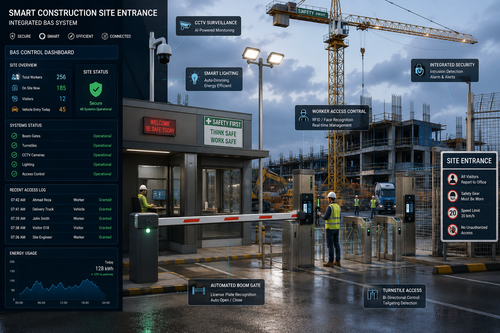
In today’s highly regulated business environment, organizations across industries are facing increasing pressure to improve workplace security, strengthen compliance management, and maintain accurate workforce accountability. Industries such as construction, manufacturing, oil and gas, logistics, healthcare, data centers, and government sectors require strict monitoring of personnel access and workforce activity to ensure operational safety and regulatory compliance.
Traditional attendance systems, paper logbooks, access cards, and manual verification processes are no longer sufficient for modern compliance requirements. Businesses now demand smarter, more secure, and highly accurate identity verification technologies. This is why organizations are increasingly adopting the Best Biometric Authentication Systems for Site Compliance.
Biometric authentication systems use unique biological characteristics such as fingerprints, facial recognition, iris scans, and palm vein recognition to verify individual identities accurately and securely. These technologies help organizations automate workforce verification, strengthen site security, eliminate attendance fraud, and improve regulatory compliance.
Across Malaysia and Singapore, businesses are investing in biometric technologies as part of their digital transformation strategies to create safer, smarter, and more efficient workplaces.
This article explores the importance of biometric authentication systems, key features, benefits, industry applications, and why biometric technologies are becoming essential for site compliance management.
What Is a Biometric Authentication System?
A biometric authentication system is a security and identity verification solution that uses unique human biological traits to confirm an individual’s identity.
Common biometric authentication methods include:
- Fingerprint recognition
- Facial recognition
- Iris scanning
- Palm vein recognition
- Voice recognition
- Hand geometry recognition
Unlike passwords, PIN numbers, or access cards, biometric credentials cannot easily be duplicated, forgotten, or shared. This makes biometric systems one of the most secure and reliable forms of authentication available today.
Biometric systems are commonly used for:
- Workforce attendance tracking
- Access control
- Contractor management
- Site compliance verification
- Restricted area security
- Visitor authentication
- Workforce monitoring
Modern biometric systems are increasingly integrated into centralized workforce management and compliance platforms.
Why Site Compliance Is Critical for Businesses
Many industries operate in highly regulated environments that require strict workforce accountability and access management.
Organizations must ensure:
- Only authorized personnel access restricted areas
- Employees possess valid certifications
- Contractors comply with safety requirements
- Workforce attendance records remain accurate
- Audit trails are properly maintained
- Emergency evacuation lists are current
Manual systems often create operational challenges such as:
- Attendance fraud
- Buddy punching
- Unauthorized access
- Inaccurate records
- Security vulnerabilities
- Compliance reporting difficulties
Biometric authentication systems solve these problems through automated, tamper-resistant identity verification.
Key Features of the Best Biometric Authentication Systems
Modern biometric systems provide advanced functionality designed to improve security, compliance, and workforce management.
1. Fingerprint Authentication
Fingerprint recognition remains one of the most widely used biometric technologies due to its reliability and affordability.
Benefits include:
- Fast verification speed
- High accuracy
- Easy enrollment
- Cost-effective deployment
- Reduced attendance fraud
Fingerprint systems are commonly used in factories, offices, warehouses, and construction sites.
2. Facial Recognition Technology
Facial recognition systems are becoming increasingly popular due to their contactless operation and advanced AI capabilities.
Modern facial recognition solutions can:
- Identify users instantly
- Support mask detection
- Operate in high-traffic environments
- Enable touchless access
- Improve hygiene and safety
Facial recognition systems are ideal for smart workplaces and high-security environments.
3. Multi-Factor Authentication
High-security facilities often require multiple layers of identity verification.
Advanced biometric systems support:
- Fingerprint plus access card verification
- Facial recognition plus PIN authentication
- Mobile credential integration
- Multi-level authorization
Multi-factor authentication enhances site compliance and security protection.
4. Real-Time Workforce Monitoring
Biometric systems provide real-time visibility into workforce activity.
Organizations can monitor:
- Employee attendance
- Contractor presence
- Entry and exit activity
- Restricted area access
- Workforce movement
Real-time monitoring improves operational control and emergency response readiness.
5. Automated Compliance Verification
Modern systems can automate compliance checks before granting access.
The software can verify:
- Safety certifications
- Contractor licenses
- Medical clearances
- Training completion
- Access authorization validity
This ensures only compliant personnel can enter regulated areas.
6. Cloud-Based Biometric Management
Cloud technology allows organizations to manage biometric systems centrally across multiple sites.
Cloud-based platforms offer:
- Remote monitoring
- Multi-location administration
- Real-time synchronization
- Centralized reporting
- Automatic software updates
Cloud infrastructure improves scalability and operational flexibility.
7. Integration with Access Control Systems
Biometric authentication systems can integrate seamlessly with:
- Door access control systems
- Turnstiles
- Boom gates
- Visitor management systems
- HR software
- Payroll platforms
- CCTV systems
Integrated security ecosystems provide centralized operational control.
8. Audit Trails and Reporting
Compliance-focused organizations require accurate audit records.
Biometric systems automatically generate:
- Attendance logs
- Access history
- Security incident reports
- Workforce analytics
- Compliance verification records
Digital reporting simplifies audits and regulatory inspections.
Benefits of Biometric Authentication Systems for Site Compliance
Implementing biometric technologies provides substantial operational and compliance advantages.
Enhanced Security
Biometric credentials are unique to each individual, making unauthorized access extremely difficult.
Security benefits include:
- Elimination of password sharing
- Reduced access card misuse
- Stronger identity verification
- Real-time monitoring
- Improved accountability
Biometric systems provide a higher level of protection compared to traditional access methods.
Elimination of Buddy Punching
Buddy punching occurs when employees clock attendance on behalf of others.
Biometric verification prevents attendance fraud because users must physically authenticate their identity.
This improves workforce accountability and payroll accuracy.
Improved Regulatory Compliance
Automated compliance verification helps organizations meet industry regulations and workplace safety standards.
Businesses can maintain:
- Accurate workforce records
- Valid certification tracking
- Secure audit trails
- Compliance-ready reporting
This reduces legal and operational risks.
Faster Workforce Verification
Biometric systems provide rapid identity authentication, reducing delays at site entry points.
Employees and contractors can access facilities quickly while maintaining strong security standards.
Reduced Administrative Workload
Manual attendance and compliance management require significant administrative effort.
Automation streamlines:
- Attendance tracking
- Contractor management
- Compliance verification
- Reporting
- Access administration
This improves operational efficiency and reduces human errors.
Better Emergency Preparedness
Real-time workforce visibility helps organizations respond more effectively during emergencies.
Managers can instantly identify:
- Who is on-site
- Contractor locations
- Evacuation status
- Restricted area occupancy
This improves workplace safety and emergency response coordination.
Industries Using Biometric Authentication Systems
Biometric technologies are widely used across many industries requiring strong compliance and workforce accountability.
Construction Industry
Construction sites require strict workforce monitoring and contractor verification.
Biometric systems improve:
- Site attendance tracking
- Safety compliance
- Contractor accountability
- Restricted area control
Manufacturing Industry
Factories use biometric authentication for workforce attendance and production area security.
Benefits include:
- Shift management
- Overtime monitoring
- Access control
- Compliance reporting
Oil and Gas Industry
High-risk industrial facilities require advanced security and workforce compliance systems.
Biometric solutions help manage:
- Hazardous area access
- Contractor certifications
- Safety training validation
Healthcare Facilities
Hospitals and laboratories use biometric systems to secure sensitive medical areas and improve workforce management.
Government and Data Centers
Government facilities and data centers require high-security access authentication and detailed audit tracking.
Biometric technologies provide stronger protection for sensitive environments.
Logistics and Warehousing
Warehouses and logistics hubs use biometric systems to monitor employee attendance and secure inventory areas.
Types of Biometric Devices for Site Compliance
Organizations can choose from various biometric hardware options depending on operational requirements.
Fingerprint Readers
Reliable and affordable solutions for workforce attendance and access control.
Suitable for:
- Offices
- Factories
- Warehouses
- Construction sites
Facial Recognition Terminals
Touchless authentication systems offering high-speed verification and advanced AI functionality.
Ideal for:
- Smart offices
- Healthcare facilities
- High-traffic environments
Iris Recognition Systems
Highly secure biometric systems commonly used in critical infrastructure and high-security facilities.
Multi-Biometric Devices
Devices supporting multiple authentication methods provide greater flexibility and enhanced security.
Examples include:
- Fingerprint plus facial recognition
- RFID plus biometric verification
- PIN plus biometric authentication
Future Trends in Biometric Authentication
The future of biometric technology is increasingly driven by artificial intelligence, cloud computing, and smart automation.
Emerging trends include:
- AI-powered facial analytics
- Contactless biometric authentication
- Mobile biometric credentials
- Behavioral biometrics
- Cloud-based workforce management
- Smart building integration
- Predictive workforce analytics
Organizations adopting advanced biometric technologies today will gain stronger operational efficiency and future-ready compliance infrastructure.
Choosing the Right Biometric System Supplier
Businesses should evaluate several important factors before implementing biometric authentication systems.
Security Standards
Choose systems with strong encryption and secure biometric data protection.
Data security is essential for protecting sensitive employee information.
Scalability
The solution should support future workforce growth and multi-site expansion.
Scalable systems provide long-term flexibility.
Integration Capabilities
Ensure compatibility with existing:
- HR software
- Payroll systems
- Access control infrastructure
- Visitor management platforms
Integrated ecosystems improve operational efficiency.
Hardware Reliability
Industrial environments require durable biometric devices capable of handling heavy daily usage and challenging operating conditions.
Local Technical Support
Reliable local support services ensure smooth implementation, maintenance, and troubleshooting.
Organizations in Malaysia and Singapore benefit from suppliers offering on-site technical assistance.
Conclusion
The Best Biometric Authentication Systems for Site Compliance are becoming essential for organizations seeking stronger security, accurate workforce verification, and improved regulatory compliance.
Traditional attendance and access control methods are no longer sufficient for modern business environments requiring real-time monitoring and automated identity management.
Biometric technologies provide highly secure, accurate, and efficient authentication solutions that improve workforce accountability, eliminate attendance fraud, and streamline compliance management.
Across Malaysia and Singapore, businesses are increasingly adopting biometric systems to support digital transformation, workplace safety, and operational excellence.
Organizations investing in advanced biometric authentication solutions today will gain stronger site security, improved operational efficiency, and future-ready workforce compliance capabilities.
For more information about the product, please click here: https://www.smartouch.com.my/bas/
Smart Touch technology pte ltd , www.smartouch.com.sg +65-63964767, sales@smartouch.com.sg , www.smartouch.com.my +607-3889903 sales@smartouch.com.my