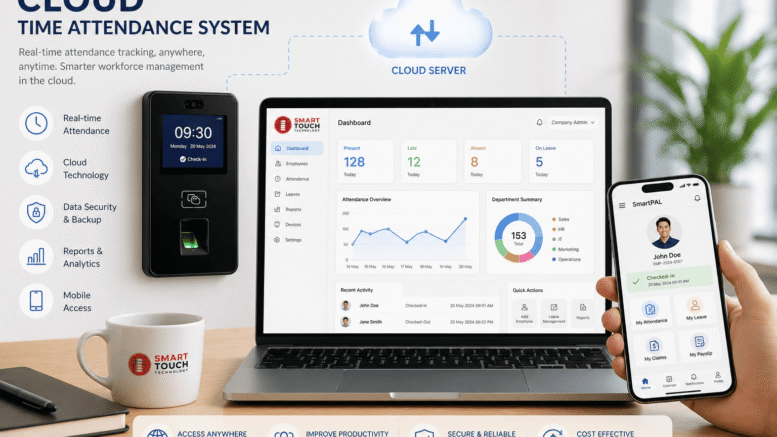
Time And Attendance System: Attendance Management System For Accurate Real-Time Records
In today’s fast-paced business environment, accurate attendance tracking is more critical than ever. Whether you manage a small team or a large workforce across multiple locations, knowing exactly who is present, when they arrive, and when they leave directly impacts productivity, compliance, and payroll accuracy. A modern time and attendance system provides the foundation for effective workforce management.
For Malaysian businesses and organisations, implementing a reliable attendance management system is no longer a luxury—it’s a necessity. Manual attendance taking through paper registers or spreadsheets is prone to errors, time-consuming, and difficult to audit. A digital time and attendance system eliminates these pain points by automating the entire process and delivering real-time visibility into your workforce.
This article explores why an attendance management system matters, what features to look for, and how it can transform your organisation’s approach to workforce management.
Why Accurate Attendance Tracking Matters
Attendance data is fundamental to running any organisation efficiently. It influences multiple business functions, from payroll processing to performance management and workforce planning.
When attendance records are inaccurate, organisations face several challenges:
- Payroll errors: Incorrect attendance data leads to overpayments or underpayments, creating dissatisfaction among employees and financial discrepancies.
- Compliance issues: Malaysian employment regulations require accurate records of working hours. Poor attendance management can result in compliance failures during audits.
- Reduced productivity: Without visibility into attendance patterns, managers cannot identify absenteeism issues or take timely corrective action.
- Resource planning problems: Inaccurate data makes it difficult to forecast staffing needs or manage shift allocations effectively.
- Increased administrative burden: Manual tracking consumes valuable time that could be spent on strategic initiatives.
A properly implemented time and attendance system addresses all these issues by providing accurate, real-time records that can be accessed instantly by authorised personnel.
Key Features of an Effective Attendance Management System
Not all attendance management systems are created equal. A robust solution should include several essential features that align with your organisation’s needs and Malaysian business requirements.
Real-Time Data Capture
An effective time and attendance system captures clock-in and clock-out data in real-time. This eliminates delays and ensures that the information available to managers and payroll teams is always current. Real-time data allows for immediate identification of attendance anomalies or issues that require attention.
Multiple Clock-In Methods
Modern attendance management systems support various clock-in methods, including biometric identification, mobile applications, web-based portals, and physical time clocks. This flexibility allows employees to record their attendance conveniently while maintaining security and preventing buddy punching.
Automated Calculations
The system should automatically calculate regular hours, overtime, absences, and leave taken. This automation reduces manual errors in payroll processing and ensures consistency across the organisation.
Integration with Payroll and HR Systems
Seamless integration with existing payroll and human resources systems ensures that attendance data flows smoothly into salary calculations and personnel management without manual intervention or data re-entry.
Comprehensive Reporting and Analytics
A good attendance management system provides detailed reports and analytics on attendance trends, absenteeism rates, department-level insights, and individual employee patterns. These insights help managers make informed decisions about workforce management.
Mobile Accessibility
Employees and managers should be able to access the system from mobile devices. This capability is particularly valuable for organisations with remote workers, field staff, or multiple office locations across Malaysia.
How an Attendance Management System Improves Operations
Implementing a time and attendance system delivers tangible benefits that extend across the entire organisation.
Enhanced Accuracy and Reduced Errors
Digital systems eliminate the human errors associated with manual attendance tracking. Automated calculations for hours worked, overtime eligibility, and leave deductions ensure consistency and accuracy in every payroll cycle.
Improved Compliance
Malaysian employment laws require employers to maintain accurate records of employees’ working hours and leave taken. A time and attendance system ensures you have comprehensive, audit-ready documentation that demonstrates compliance with relevant regulations and industry standards.
Better Workforce Visibility
Real-time attendance data gives managers immediate visibility into who is at work, who is absent, and any patterns that might indicate underlying issues. This visibility enables proactive management and quick response to staffing challenges.
Streamlined Payroll Processing
When attendance data is accurate and automatically integrated with payroll systems, processing becomes faster and less error-prone. This efficiency reduces the administrative workload on HR and payroll teams, allowing them to focus on more strategic activities.
Increased Employee Accountability
When employees know that their attendance is being tracked accurately and objectively, it encourages punctuality and accountability. The transparency of the system also reduces disputes about working hours or leave taken.
Data-Driven Decision Making
Comprehensive attendance analytics help identify trends, forecast staffing needs, and make informed decisions about shift scheduling, resource allocation, and workforce planning.
Common Challenges in Attendance Management
Many organisations struggle with attendance management, particularly during the transition from manual to digital systems.
Resistance to Change
Employees and managers may resist a new system if they perceive it as intrusive or complicated. Clear communication about the benefits and thorough training can help overcome this challenge.
System Integration Complexity
Integrating a new attendance management system with existing payroll, HR, and other enterprise systems can be technically complex. Choosing a system with strong integration capabilities and good vendor support is essential.
Data Security and Privacy
Attendance systems collect sensitive employee data. Ensuring the system meets data protection and privacy standards is critical for maintaining employee trust and compliance with Malaysian data protection requirements.
User Adoption
Successfully implementing an attendance management system requires buy-in from all users. Providing adequate training, support, and clear documentation helps ensure smooth adoption across the organisation.
Choosing the Right Attendance Management System for Your Organisation
Selecting an attendance management system is an important decision that should be based on your organisation’s specific needs and long-term requirements.
Consider the following factors when evaluating options:
- Scalability: Can the system grow with your organisation as you add employees or locations?
- Ease of use: Is the interface intuitive for both employees and administrators?
- Integration capabilities: Does it integrate seamlessly with your existing payroll, HR, and other systems?
- Security features: What measures does the system have to protect sensitive attendance and employee data?
- Support and training: Does the vendor provide adequate support, training, and documentation?
- Compliance: Does the system meet Malaysian employment and data protection requirements?
- Cost: Is the pricing model transparent and aligned with your budget?
- Flexibility: Can the system be customised to reflect your organisation’s unique policies and procedures?
How Smart Touch Technology Can Help
Smart Touch Technology offers a comprehensive time and attendance solution designed to meet the needs of Malaysian businesses and organisations. The TMS Time Management System provides accurate real-time records, multiple clock-in methods, automated calculations, and seamless integration with your existing systems.
With Smart Touch Technology’s attendance management system, you gain reliable tracking, reduced administrative burden, improved compliance, and real-time visibility into your workforce. The system is designed for ease of use, security, and scalability—whether you’re managing a single location or multiple offices across Malaysia.
To learn more about how Smart Touch Technology’s time and attendance solution can transform your workforce management, read the product overview here: http://www.smartouch.com.my/tms-time-management-system-singapore-malaysia/
Conclusion
An effective time and attendance system is essential for modern workforce management. By automating attendance tracking and providing real-time, accurate data, organisations can improve payroll accuracy, ensure compliance, enhance productivity, and make better-informed decisions about their workforce.
Whether you’re currently using manual methods or looking to upgrade your existing system, investing in a reliable attendance management system delivers measurable returns through reduced errors, improved efficiency, and greater visibility into your organisation’s operations.
The key is choosing a solution that aligns with your organisation’s needs, integrates with your existing systems, and provides the features and support necessary for successful implementation. Smart Touch Technology’s time and attendance system is built to deliver exactly that—accurate, real-time records and reliable workforce management for Malaysian businesses.
Smart Touch Technology Pte Ltd
Singapore: www.smartouch.com.sg | +65-63964767 | sales@smartouch.com.sg
Malaysia: www.smartouch.com.my | +607-3889903 | sales@smartouch.com.my