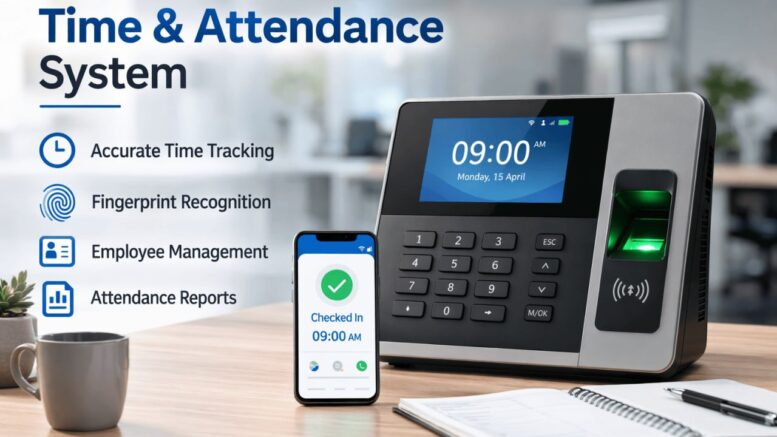
Time And Attendance System: OT Rate In Malaysia For Malaysian Businesses
Overtime (OT) management is one of the most critical operational challenges facing Malaysian businesses today. Whether you operate in manufacturing, retail, hospitality, or professional services, understanding and managing overtime rates correctly is essential for maintaining compliance with Malaysian labour laws, controlling costs, and ensuring fair compensation for your employees.
For many organisations, overtime administration remains manual, error-prone, and time-consuming. Calculating OT rates, tracking hours worked beyond the standard 8-hour day or 40-hour week, and ensuring accurate payroll processing can quickly become overwhelming, especially as your workforce grows. This is where a robust time and attendance system becomes invaluable.
In this article, we’ll explore the importance of OT rates in Malaysia, how they work, common challenges businesses face, and how modern time and attendance solutions can simplify this critical business process.
Understanding Overtime Rates in Malaysia
Overtime is any work performed beyond the standard working hours as defined by employment agreements or Malaysian labour legislation. The Employment Act 1955 provides the legal framework for overtime entitlements in Malaysia, though specific rates and conditions may vary depending on your industry, state, and individual employment contracts.
Generally, Malaysian employers are required to pay overtime compensation to eligible employees who work beyond their contracted hours. The overtime rate is typically higher than the standard hourly rate, providing fair compensation for additional hours worked and discouraging excessive overtime where possible.
Standard Working Hours in Malaysia
Under the Employment Act 1955, the standard working week is generally not more than 48 hours. This is typically divided across five or six working days, depending on the organisation’s schedule. Any hours worked beyond this standard are generally considered overtime and should be compensated accordingly.
It’s important to note that while the Employment Act provides a general framework, specific industries, organisations, and employment contracts may have different provisions. For example, some sectors may have negotiated different arrangements or agreements that apply.
Calculating OT Rates
The calculation of overtime rates in Malaysia typically follows this principle: overtime is usually paid at a rate higher than the employee’s normal hourly wage. Many organisations pay overtime at time-and-a-half (1.5 times the normal rate) or double time (2 times the normal rate), depending on factors such as:
- Whether the overtime falls on a working day or a rest day
- The industry and sector of employment
- Collective agreements or employment contracts
- Company policies
- State-specific requirements
For current and specific information about OT rates applicable to your industry and organisation, it’s recommended to refer to the Employment Act 1955 and consult with the Ministry of Human Resources Malaysia or seek legal advice, as regulations and interpretations may change.
Why Accurate OT Rate Tracking Matters
Accurate tracking of overtime rates is not just about compliance—it directly impacts your bottom line, employee satisfaction, and operational efficiency.
Cost Control
Overtime costs can represent a significant portion of your payroll expenses, particularly in shift-based operations or during peak business periods. Without proper tracking and management, OT costs can spiral unexpectedly. A time and attendance system provides visibility into when, where, and why overtime is occurring, enabling you to make informed decisions about staffing and scheduling.
Compliance and Risk Management
Failing to pay overtime correctly or maintain proper records can result in disputes with employees, complaints to labour authorities, and potential legal action. Malaysian labour laws are designed to protect employee rights, and non-compliance can damage your organisation’s reputation and incur financial penalties.
Employee Satisfaction and Retention
Employees need confidence that their overtime will be accurately recorded and fairly compensated. Manual tracking and calculation errors can lead to frustration and erode trust. Transparent, automated systems demonstrate fairness and professionalism, contributing to better employee morale and retention.
Administrative Efficiency
Manual overtime calculation is labour-intensive and prone to errors. Payroll teams may spend countless hours cross-referencing timesheets, calculating rates, and reconciling discrepancies. An automated system eliminates this burden, freeing your HR and payroll teams to focus on strategic activities.
Common Challenges in OT Management
Many Malaysian businesses struggle with overtime management for several reasons:
- Manual timekeeping: Paper-based or spreadsheet timekeeping systems make it difficult to track hours accurately and quickly, especially across multiple locations or shifts.
- Complex calculations: Different OT rates for different days, times, or circumstances require careful calculation, and mistakes can be costly.
- Integration gaps: Timesheets and attendance data may not integrate smoothly with payroll systems, creating duplicate work and increasing errors.
- Real-time visibility: Without automated tracking, managers lack real-time visibility into overtime trends and can’t make quick decisions about scheduling or staffing.
- Record-keeping: Maintaining compliant records for audits and labour inspections can be challenging with fragmented systems.
- Employee disputes: When overtime is calculated manually, employees may question accuracy, leading to disputes and administrative overhead.
The Role of Time and Attendance Systems
A modern time and attendance system is designed to address these challenges comprehensively. Such systems automate the capture, tracking, and calculation of working hours, including overtime.
Key Features That Support OT Management
Effective time and attendance systems typically include:
- Automated time capture: Biometric or digital clocking systems eliminate manual entry errors and ensure accurate recording of arrival and departure times.
- Flexible rate configuration: Systems can be configured to apply different OT rates based on day of week, time of day, employee classification, or department, reflecting Malaysia’s varied overtime rules.
- Real-time reporting: Managers can view attendance and overtime data in real-time, enabling quick identification of trends and informed decision-making.
- Payroll integration: Seamless integration with payroll systems ensures that overtime data flows directly into salary calculations, reducing errors and administrative burden.
- Compliance reporting: Systems generate reports that support labour compliance and auditing requirements.
- Employee self-service: Employees can view their own time records and verify accuracy, reducing disputes.
- Alert systems: Automated alerts can notify managers when overtime thresholds are approached, enabling proactive scheduling adjustments.
Benefits for Different Stakeholders
For HR and Payroll Teams: Automation dramatically reduces the time spent on manual calculations and record-keeping, enabling these teams to focus on strategic HR initiatives.
For Managers: Real-time visibility into overtime trends helps with workforce planning and scheduling decisions, reducing unnecessary OT costs.
For Employees: Transparent, accurate tracking of hours builds confidence and reduces disputes over compensation.
For Finance: Better cost control and visibility into labour expenses support more accurate budgeting and forecasting.
Best Practices for Managing OT in Malaysia
Beyond implementing technology, consider these best practices:
- Clear policies: Ensure your overtime policies are clearly documented, communicated, and compliant with Malaysian labour laws.
- Regular monitoring: Review overtime patterns regularly to identify departments or roles with excessive OT, and address root causes.
- Proactive scheduling: Use attendance data to inform better scheduling practices that minimise unnecessary overtime.
- Transparency: Ensure employees understand how their overtime is calculated and compensated.
- Legal compliance: Stay informed of any changes to Malaysian labour regulations and adjust your systems and policies accordingly.
- Regular audits: Periodically audit your OT calculations and records to ensure accuracy and compliance.
How Smart Touch Technology Can Help
Smart Touch Technology provides a comprehensive time and attendance system designed to meet the needs of Malaysian businesses. Our solution streamlines the entire process of tracking working hours and managing overtime, from initial time capture through to payroll processing.
With Smart Touch’s time and attendance system, you can configure flexible overtime rules that reflect Malaysia’s employment requirements, automate rate calculations, generate real-time reports on OT trends, and integrate seamlessly with your payroll processes. This reduces administrative burden, minimises errors, and ensures compliance with local labour standards.
Whether you operate a single location or multiple sites across Malaysia, our system provides the visibility and control you need to manage overtime effectively while maintaining fair, transparent practices with your workforce.
To learn more about how our time and attendance system can simplify OT management for your organisation, read the product overview here: http://www.smartouch.com.my/tms-time-management-system-singapore-malaysia/
Conclusion
Overtime management is a critical operational and compliance issue for Malaysian businesses. Accurate tracking of OT rates protects your organisation legally, controls costs, and ensures fair compensation for your employees. Manual processes are no longer sufficient in today’s business environment—they’re costly, error-prone, and inefficient.
By implementing a modern time and attendance system, you gain the automation, visibility, and control needed to manage overtime effectively. Such systems reduce administrative burden, improve accuracy, support compliance, and contribute to a more transparent and professional workplace culture.
If your organisation is still managing overtime manually or through disconnected systems, now is the time to consider a comprehensive solution that can grow with your business while keeping you compliant with Malaysian labour standards.
Smart Touch Technology Pte Ltd
Singapore: www.smartouch.com.sg | +65-63964767 | sales@smartouch.com.sg
Malaysia: www.smartouch.com.my | +607-3889903 | sales@smartouch.com.my