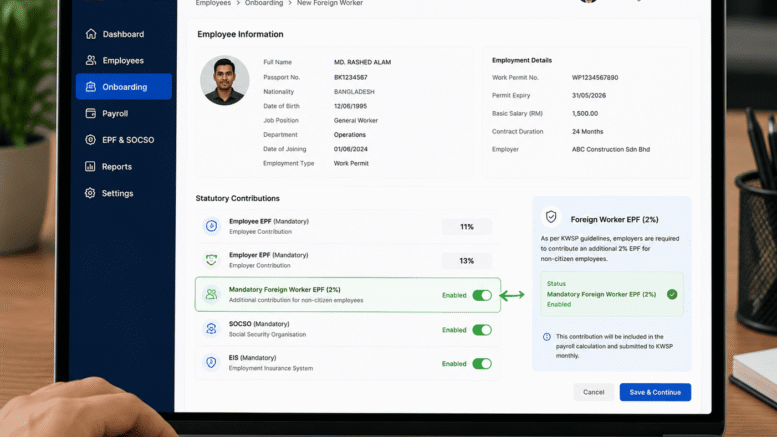
When Does An Employee Shift To The SOCSO Second Category? Age Rules Explained
Understanding SOCSO (Social Security Organisation) contribution categories is essential for employers, human resources professionals, and payroll managers in Malaysia. One of the most commonly asked questions concerns when an employee transitions to the SOCSO Second Category and what age rules apply. This shift has significant implications for both employers and employees, affecting contribution rates, benefit coverage, and overall payroll management.
In this article, we’ll explain the SOCSO Second Category, clarify the age rules that trigger this transition, and help you understand how this change impacts your organisation’s compliance and payroll responsibilities.
Understanding SOCSO Categories in Malaysia
SOCSO operates under two main contribution categories in Malaysia, which determine how much employers and employees contribute to the scheme and what benefits are covered. These categories are designed to provide appropriate social security protection based on employment circumstances.
The classification system exists to ensure that workers across different sectors and situations receive suitable coverage. Most private sector employees fall into one of these two categories, and understanding which category applies to your workforce is crucial for accurate payroll calculations and regulatory compliance.
What Is The SOCSO Second Category?
The SOCSO Second Category applies to employees who have reached a certain age threshold and continue working beyond that point. This category typically covers workers who are still employed but may have reduced benefit entitlements compared to younger workers in the first category.
Employees in the Second Category continue to contribute to SOCSO, but the contribution structure and benefits differ from those in the first category. The age-based transition recognises that workers in later stages of their careers have different protection needs and circumstances.
Key Characteristics of SOCSO Second Category
- Applies to employees who have reached the specified age threshold
- Different contribution rates compared to the First Category
- Modified benefit structure reflecting the employee’s career stage
- Continued coverage for employment-related injuries and illnesses
- Automatic transition once age requirements are met
Age Rules for SOCSO Second Category Transition
The transition to SOCSO Second Category is primarily age-driven. When an employee reaches a certain age, they automatically shift from the First Category to the Second Category, assuming they remain employed.
The specific age threshold for this transition is an important figure that every Malaysian employer must know. However, SOCSO regulations can be updated, and contribution rates and age thresholds may change. We recommend verifying the current age requirement directly with SOCSO or the official Ministry of Human Resources website to ensure you have the most up-to-date information for your payroll records.
Once an employee reaches the qualifying age, the transition typically occurs automatically without requiring separate application or notification, though employers must ensure their payroll systems are updated accordingly.
Employer Obligations When An Employee Reaches The Second Category
When an employee transitions to the SOCSO Second Category, employers must take specific steps to ensure compliance:
- Update payroll records and contribution calculations immediately
- Adjust deduction amounts if contribution rates differ between categories
- Ensure SOCSO contributions are submitted with the correct category classification
- Maintain clear documentation of the transition date
- Communicate any relevant changes to the employee if required by your internal policies
Contribution Rate Differences
One of the primary reasons employers need to understand the SOCSO Second Category is the difference in contribution rates. The contribution structure between the First and Second Categories ensures that the system remains sustainable whilst providing appropriate coverage.
These rates are set by SOCSO and may be adjusted periodically. Rather than stating specific percentages that may change, we strongly recommend consulting the latest SOCSO contribution tables or contacting SOCSO directly for current rates applicable to your employees.
Accurate contribution calculations are critical for payroll compliance and avoiding penalties, so keeping your payroll system updated with the latest rates is essential.
Benefits Coverage in The SOCSO Second Category
Employees in the SOCSO Second Category remain protected under the social security scheme, but their benefit coverage may differ from those in the First Category. Benefits typically include protection against employment injuries, occupational diseases, and related circumstances.
The specific benefits and eligibility requirements in the Second Category should be clearly understood by employers to ensure employees are aware of their coverage and to manage employee expectations appropriately. SOCSO provides detailed information about benefit entitlements for each category on their official website.
Common Payroll Challenges With SOCSO Category Transitions
Managing the transition to SOCSO Second Category presents several practical challenges that many Malaysian organisations face:
System Update Delays
Payroll systems must be updated promptly when an employee reaches the Second Category age. Delays in updating can lead to incorrect contributions and compliance issues. Many organisations struggle with ensuring these changes are made on time, especially with large workforces.
Tracking Multiple Employees
As organisations grow, manually tracking which employees have reached the transition age becomes increasingly difficult and error-prone. Without proper systems, it’s easy to overlook transitions and continue deducting incorrect amounts.
Rate Changes and Updates
SOCSO rates and regulations may change, and these updates must be reflected in payroll calculations. Keeping up with regulatory changes whilst ensuring they’re implemented correctly adds complexity to payroll management.
Documentation and Audit Trail
Maintaining clear records of when each employee transitioned and ensuring proper documentation exists for audit purposes requires organised record-keeping systems.
Best Practices for Managing SOCSO Category Transitions
To ensure smooth management of SOCSO Second Category transitions, consider implementing these best practices:
- Automated Alerts: Use payroll systems that automatically flag when employees approach the transition age
- Regular Audits: Periodically review your workforce to identify employees who should have transitioned
- Clear Documentation: Maintain comprehensive records of each employee’s category and transition dates
- Staff Training: Ensure your payroll team understands SOCSO requirements and stays updated on changes
- System Integration: Implement payroll solutions that automatically adjust contributions based on employee age and category
- Regulatory Monitoring: Stay informed about SOCSO updates and changes to contribution rates
How Smart Touch Technology Can Help
Managing SOCSO contributions and category transitions becomes significantly easier with the right payroll management solution. Smart Touch Technology provides comprehensive payroll and HR management tools designed specifically for Malaysian businesses, helping you automate contribution calculations and ensure compliance with SOCSO requirements.
With Smart Touch Technology’s payroll solutions, you can:
- Automate SOCSO contribution calculations for all employee categories
- Receive alerts when employees approach category transition ages
- Maintain accurate records of employee contributions and category classifications
- Ensure timely updates to contribution rates and regulatory changes
- Generate compliance reports for audit purposes
- Reduce payroll processing time and minimise errors
By implementing a robust payroll system, you can eliminate manual tracking of category transitions and ensure your organisation remains compliant with SOCSO requirements, even as your workforce grows and changes.
Conclusion
Understanding when employees transition to the SOCSO Second Category and the age rules that govern this shift is fundamental to payroll compliance in Malaysia. The transition is age-driven and occurs automatically, requiring employers to update contribution calculations and maintain proper documentation.
Whilst the specific age threshold and contribution rates are important, these details can change, so it’s essential to verify current requirements with SOCSO or official government sources. By implementing best practices and using appropriate payroll management tools, you can ensure smooth transitions, accurate contributions, and full compliance with Malaysian employment regulations.
Managing SOCSO categories effectively protects both your organisation and your employees, ensuring everyone receives the appropriate social security coverage and your business maintains its regulatory standing.
Smart Touch Technology Pte Ltd
Singapore: www.smartouch.com.sg | +65-63964767 | sales@smartouch.com.sg
Malaysia: www.smartouch.com.my | +607-3889903 | sales@smartouch.com.my