In the rapidly evolving healthcare landscape of Malaysia, clinic managers face a unique challenge: coordinating staff efficiently across multiple locations while maintaining service quality and employee satisfaction. Whether you’re running a network of three clinics or managing a larger healthcare facility group, the complexity of staff scheduling, payroll, leave management, and performance tracking can quickly become overwhelming.
Traditional approaches—spreadsheets, manual scheduling, scattered communication channels—no longer cut it. Healthcare organisations need a centralised solution that brings visibility to staff operations across all clinic locations. This is where a modern HR system becomes essential, not just a nice-to-have.
Let’s explore how a smart HR system can transform the way you manage healthcare staff across multiple clinics and deliver better outcomes for both your team and your patients.
The Challenges of Multi-Clinic Staff Management
Managing healthcare staff across multiple clinic locations presents distinct operational challenges that many clinic owners understand firsthand.
Coordination Across Locations
When your healthcare team is distributed across different clinics, ensuring consistency becomes difficult. Different managers may apply different policies, scheduling practices, and performance standards. This inconsistency can lead to employee frustration and operational inefficiencies.
Scheduling Complexity
Creating fair, balanced schedules across multiple locations requires considering numerous factors: staff availability, clinic demand patterns, staff qualifications, compliance with employment regulations, and employee preferences. Managing this manually is time-consuming and error-prone.
Leave and Attendance Tracking
Tracking leave requests, approvals, and actual attendance across multiple clinics manually creates administrative burden. Without proper systems, you risk double-bookings, missed approvals, or disputes over leave balances.
Payroll Complexity
Processing payroll for staff working across different locations, with varying shift patterns and overtime arrangements, increases the risk of calculation errors and compliance issues. Each error damages trust and creates additional administrative work.
Performance Management
Monitoring staff performance, identifying training needs, and maintaining consistent quality standards across clinic locations becomes difficult without centralised data and visibility.
Why A Centralised HR System Matters
A smart HR system provides the centralised visibility and control that multi-clinic healthcare organisations need. By bringing staff data, schedules, payroll, and performance information into one integrated platform, you gain several critical advantages.
Unified Data and Visibility
A centralised system gives you a complete view of your entire healthcare workforce, regardless of which clinic they work at. You can quickly see staffing levels, identify gaps, and make informed decisions about resource allocation across locations.
Consistency and Standardisation
With policies, procedures, and approval workflows embedded in the system, you ensure consistent application across all clinics. This standardisation reduces confusion, supports compliance, and builds fairness in how staff are treated.
Time and Cost Savings
Automation of routine HR tasks—scheduling, leave approvals, payroll processing—frees your management team from administrative work. These savings compound when managing multiple locations.
Improved Compliance
A modern HR system helps you maintain compliance with Malaysian employment regulations and healthcare requirements. Audit trails and proper documentation reduce risk.
Key Features to Look For in A Healthcare HR System
Not all HR systems are created equal. When evaluating solutions for managing healthcare staff across multiple clinics, consider these essential capabilities:
Multi-Location Staff Management
The system should handle staff across different clinic locations seamlessly, with the ability to assign staff to specific clinics and track their work location easily.
Intelligent Scheduling
Look for scheduling tools that can create balanced rosters across locations, consider staff qualifications and preferences, and reduce manual planning effort.
Leave and Attendance Management
A centralised system for leave requests, approvals, and attendance tracking ensures consistency and eliminates confusion about leave balances and approvals.
Payroll Processing
Integration with payroll functionality simplifies processing salaries, allowances, and deductions for staff across multiple locations with varying pay arrangements.
Performance Tracking
Built-in performance management tools help you monitor staff development, identify training needs, and maintain quality standards across all clinics.
Communication and Collaboration
The system should facilitate communication between central management and clinic managers, and among staff across locations.
How smartgogo Apps Supports Multi-Clinic Healthcare Operations
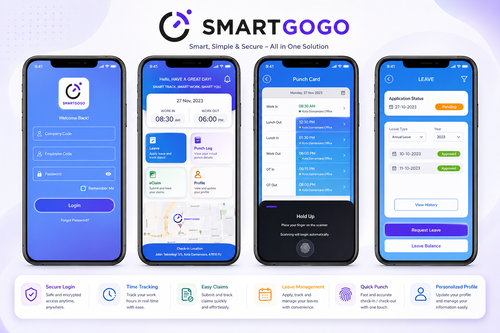
Smart Touch Technology’s smartgogo apps is designed to simplify healthcare staff management across multiple locations. Here’s how it helps healthcare organisations in Malaysia manage their workforce more effectively:
Centralised Staff Database
smartgogo apps maintains a complete, centralised database of all healthcare staff across your clinic locations. This gives management instant visibility of who works where, their qualifications, contact information, and employment status. No more searching through different files or asking around to find staff information.
Simplified Scheduling and Roster Management
Creating and managing rosters across multiple clinics becomes more straightforward with smartgogo apps. Managers can view schedules across locations, identify staffing gaps, and make adjustments efficiently. The system helps ensure fair distribution of shifts and considers staff preferences alongside operational requirements.
Integrated Leave Management
smartgogo apps streamlines the leave request and approval process. Staff can submit leave requests through the system, approvers can process them efficiently, and leave balances are automatically tracked. This reduces administrative overhead and prevents leave-related disputes.
Attendance Tracking
The system provides clear records of staff attendance across all locations, making it easier to identify patterns, address issues, and ensure accurate payroll processing.
Payroll Integration
By bringing together scheduling, attendance, and leave data, smartgogo apps supports more accurate payroll processing for multi-location healthcare teams. This reduces errors and ensures staff are paid correctly and on time.
User-Friendly Interface
smartgogo apps is designed to be intuitive and easy to use, requiring minimal training for staff and managers. This means faster adoption and less resistance to implementation.
Best Practices for Implementing A Smart HR System
Successfully implementing a new HR system across multiple clinic locations requires thoughtful planning and execution.
Start With Clear Objectives
Define what you want to achieve: reduce administrative time, improve scheduling accuracy, ensure compliance, or enhance staff satisfaction. Clear objectives guide implementation decisions.
Involve Key Stakeholders
Include clinic managers, HR staff, and team leads in the implementation process. Their input ensures the system meets real needs and improves adoption.
Plan Phased Implementation
Rather than implementing across all clinics simultaneously, consider a phased approach. Start with one or two clinics, refine the process, then expand to other locations. This reduces disruption and allows you to learn from initial implementation.
Provide Comprehensive Training
Invest in training for all users—managers, administrative staff, and employees. Clear training materials and support sessions reduce confusion and improve system adoption.
Establish Clear Processes
Define clear workflows for common tasks: how leave requests are submitted and approved, how schedules are created, how conflicts are resolved. Document these processes and share them with all users.
Maintain Data Quality
A smart HR system is only valuable if the data is accurate. Establish processes to keep staff information, employment details, and other key data current and correct.
Review and Optimise Regularly
After implementation, periodically review how the system is performing against your objectives. Gather feedback from users and make adjustments to improve effectiveness.
Real-World Benefits for Healthcare Organisations
Healthcare organisations that implement smart HR systems typically experience several tangible benefits:
- Reduced Administrative Time: Managers spend less time on manual scheduling, leave approvals, and data entry, allowing them to focus on strategic activities and staff development.
- Improved Staff Satisfaction: Fair, transparent scheduling and efficient leave management improve employee experience and retention.
- Better Service Consistency: Consistent staffing levels and balanced workload distribution across clinics improve service quality.
- Faster Decision-Making: Real-time visibility of staff and operations enables quicker, more informed decisions about resource allocation.
- Reduced Errors: Automation and centralised data reduce scheduling conflicts, payroll errors, and compliance issues.
- Enhanced Compliance: Proper documentation and audit trails support compliance with employment regulations and healthcare requirements.
Getting Started With A Smart HR System
If you’re managing healthcare staff across multiple clinics in Malaysia, now is an excellent time to evaluate whether a modern HR system could benefit your organisation.
Consider scheduling a consultation with a healthcare HR solutions provider to discuss your specific challenges and requirements. A good provider will take time to understand your operations and recommend a solution tailored to your needs.
To learn more about how smartgogo apps can help you manage healthcare staff more effectively across your clinic locations, reach out to the Smart Touch Technology team. They can provide a demonstration of the system and answer your questions about how it works and what benefits it could deliver for your organisation.
Conclusion
Managing healthcare staff across multiple clinics is complex, but a smart HR system can significantly simplify the process. By centralising data, automating routine tasks, and providing visibility across all locations, modern HR solutions like smartgogo apps help healthcare organisations operate more efficiently, maintain consistency, ensure compliance, and ultimately provide better service to their patients.
The investment in a proper HR system pays dividends through reduced administrative time, improved staff satisfaction, and more reliable operations. If you’re currently managing multiple clinic locations with spreadsheets and manual processes, it’s worth exploring how a dedicated healthcare HR solution could transform your operations.