Managing employee leave entitlements is one of the most critical aspects of human resources administration in Malaysia. However, the process becomes significantly more complex when compliance with tax authorities comes into play. The Inland Revenue Board of Malaysia (LHDN) has specific requirements regarding how leave is treated for tax purposes, and employers must understand these regulations to avoid penalties and ensure proper financial reporting.
Leave deductions that are not properly documented and compliant with LHDN guidelines can lead to disputes during tax audits, potential fines, and damaged employee relations. This is why understanding LHDN compliant leave deductions is essential for every organisation operating in Malaysia.
What Are LHDN Compliant Leave Deductions?
LHDN compliant leave deductions refer to the proper calculation, documentation, and reporting of employee leave in accordance with Malaysian tax regulations and the Inland Revenue Board’s guidelines. These deductions affect how leave is treated in your company’s financial records and employee benefits accounting.
In Malaysia, leave is considered a benefit to employees, and depending on how it is managed and paid, it may have tax implications for both the employer and the employee. LHDN requires employers to maintain accurate records of:
- Annual leave granted and taken
- Sick leave usage
- Replacement leave or compensatory time off
- Leave carried forward to the next financial year
- Leave encashment or payment in lieu of leave
Proper compliance ensures that your company’s leave management aligns with Malaysian tax legislation and employment laws, protecting your organisation from regulatory issues.
Why LHDN Compliance Matters for Your Organisation
Tax Authority Audits and Inspections
The LHDN regularly conducts audits to verify that employers are correctly managing employee benefits and deductions. If your leave records are incomplete or non-compliant, you may face questions during these audits. Maintaining LHDN compliant leave deductions significantly reduces audit risk and demonstrates your commitment to regulatory compliance.
Accurate Financial Reporting
Leave liabilities represent a financial obligation for your company. When leave is accrued but not taken, it must be reflected as a liability on your balance sheet. LHDN compliant leave deductions ensure that your financial statements accurately represent these obligations, which is critical for stakeholders and auditors reviewing your accounts.
Employee Confidence and Retention
When leave is managed transparently and in compliance with regulations, employees have clarity about their entitlements. This builds trust and confidence in your HR processes, contributing to better employee satisfaction and retention.
Legal Protection
Proper documentation of LHDN compliant leave deductions protects your organisation in the event of employment disputes. Clear records demonstrate that leave has been managed fairly and in accordance with Malaysian employment laws and tax regulations.
Key Regulations Governing Leave in Malaysia
To ensure LHDN compliant leave deductions, employers must understand the relevant legislative framework:
Employment Act 1955
The Employment Act sets out minimum requirements for annual leave, sick leave, and other types of leave. These statutory minimums form the baseline for leave management in Malaysia.
Income Tax Act 1967
The Income Tax Act governs how leave benefits are treated for tax purposes. Leave encashment, leave carried forward, and other leave-related payments may have tax implications that must be properly calculated and reported.
LHDN Guidelines and Rulings
The LHDN periodishes guidelines and rulings on specific tax treatment of leave. These may address issues such as the timing of leave deductions, the tax treatment of leave payments upon termination, and how different types of leave affect taxable income.
It is recommended to periodically review the latest LHDN guidelines to ensure your leave management practices remain current and compliant.
Common Challenges in Managing LHDN Compliant Leave Deductions
Manual Tracking and Documentation
Many organisations still rely on spreadsheets or paper-based systems to track leave. This approach is error-prone, time-consuming, and difficult to audit. Manual systems make it challenging to maintain the level of documentation required for LHDN compliance.
Inconsistent Leave Policies Across Departments
Without a centralised system, different departments may apply leave policies differently. This inconsistency can lead to compliance issues and makes it difficult to provide auditors with clear, uniform records.
Difficulty Tracking Leave Accrual and Carryover
Calculating leave accrual, tracking what has been carried forward, and managing leave that expires requires careful attention. Errors in these calculations can result in non-compliance and financial discrepancies.
Leave Encashment Calculations
When employees receive payment for unused leave (either during employment or upon termination), these calculations must be precise and properly documented for tax purposes. Incorrect calculations can lead to tax treatment issues.
Audit Trail and Compliance Documentation
LHDN requires a clear audit trail showing how leave decisions were made and approved. Maintaining this documentation manually is labour-intensive and prone to gaps.
Best Practices for LHDN Compliant Leave Deductions
Establish Clear Leave Policies
Document your organisation’s leave policies in detail, ensuring they meet or exceed statutory requirements under the Employment Act. Make these policies easily accessible to all employees.
Maintain Accurate Records
Keep comprehensive records of all leave transactions, including dates, types of leave, approvals, and any payments made. These records should be retained for the period specified by the LHDN (typically seven years or longer).
Implement Consistent Approval Processes
Establish standardised procedures for leave requests and approvals. Consistency helps prevent errors and makes compliance verification easier during audits.
Calculate Leave Liabilities Regularly
Perform regular calculations of accrued leave liabilities, especially at month-end and year-end for financial reporting purposes. This ensures your financial statements accurately reflect leave obligations.
Stay Updated on Regulatory Changes
Regularly review updates from the LHDN and the Ministry of Human Resources regarding leave regulations and tax treatment. This helps you adapt your processes promptly to any changes in requirements.
Conduct Internal Audits
Periodically review your leave management processes and records to identify and correct any compliance gaps before external audits occur.
How Smart Touch Technology’s E-Leave System Supports LHDN Compliance
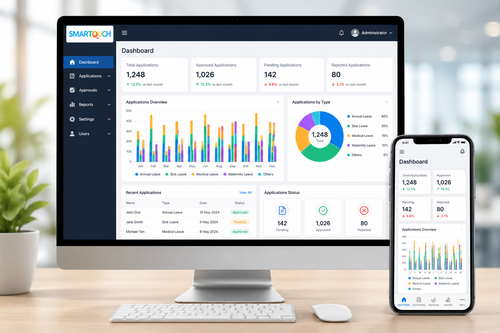
Managing LHDN compliant leave deductions manually is challenging and resource-intensive. Smart Touch Technology’s E-Leave System is designed to streamline leave management while supporting regulatory compliance requirements.
Centralised Leave Management
The E-Leave System provides a single platform where all leave transactions are recorded and managed. This centralisation ensures consistency across your organisation and makes it easier to maintain the unified records that LHDN expects.
Accurate Leave Calculations
The system automates leave accrual calculations, carryover management, and leave balance tracking. This reduces manual calculation errors and ensures precision in leave records—critical for compliance purposes.
Comprehensive Audit Trails
Every leave transaction within the system is logged with details about who approved it, when it was approved, and any relevant notes. This comprehensive audit trail demonstrates compliance and makes it simple to respond to LHDN inquiries.
Leave Encashment Management
The system can assist in calculating leave encashment accurately, ensuring that payments for unused leave are computed correctly and properly documented for tax reporting.
Reporting and Documentation
Generate detailed leave reports that can be used for financial reporting, audit purposes, and LHDN compliance verification. These reports provide the documentation needed to support your compliance position.
Policy Enforcement
Configure your organisation’s leave policies within the system to ensure they are applied consistently. This prevents policy deviations that could create compliance issues.
By implementing an integrated e-leave solution, your organisation can significantly reduce the administrative burden of leave management while strengthening your compliance position with the LHDN.
Steps to Implement LHDN Compliant Leave Deductions
1. Review Current Practices
Conduct a thorough review of your existing leave management processes. Identify areas where compliance may be lacking or where manual processes are creating risk.
2. Align Policies with Regulations
Ensure your leave policies comply with the Employment Act and current LHDN guidelines. Update any policies that fall short of regulatory requirements.
3. Implement Proper Systems
Consider adopting a dedicated leave management system that can help automate calculations, maintain records, and generate compliance reports.
4. Train Your HR Team
Ensure your HR staff fully understand the requirements for LHDN compliant leave deductions and are trained on the new system or processes.
5. Monitor and Review
Regularly monitor leave management activities and conduct internal reviews to ensure ongoing compliance.
6. Prepare for Audits
Organise your records and documentation in a way that makes it easy to provide information to auditors. Address any identified gaps proactively.
Conclusion
LHDN compliant leave deductions are not just a regulatory obligation—they are fundamental to managing your organisation’s HR and financial responsibilities properly. Accurate leave management protects your organisation from audit risk, ensures sound financial reporting, and demonstrates respect for employee entitlements.
While the requirements may seem complex, implementing best practices and leveraging appropriate technology can make compliance manageable and sustainable. Whether you are managing a small team or a large workforce, the principles remain the same: maintain clear records, apply policies consistently, calculate accurately, and stay informed about regulatory requirements.
If your organisation is still managing leave through manual processes, now is the time to explore more efficient and reliable solutions. Smart Touch Technology’s E-Leave System can help you achieve LHDN compliance more easily while freeing up your HR team to focus on strategic initiatives.
Ready to streamline your leave management and strengthen LHDN compliance? Contact Smart Touch Technology today to learn how our E-Leave System can transform your leave management processes and reduce administrative burden.