Managing employee leave in Malaysia requires careful attention to the Employment Act 1955, which sets out the minimum entitlements and obligations that employers must meet. Whether you’re running a small business or managing a large organisation, understanding leave tracking requirements under this legislation is essential for maintaining compliance and ensuring fair treatment of your workforce.
Leave management can quickly become complex when handled manually. Without proper systems in place, employers risk making costly errors, facing disputes with employees, or inadvertently breaching employment law. This guide explains the key aspects of leave tracking under Malaysia’s Employment Act 1955 and how modern solutions can help streamline the process.
Understanding the Employment Act 1955 Leave Entitlements
The Employment Act 1955 is the primary legislation governing employment relationships in Malaysia. It establishes minimum standards for leave entitlements that employers must provide to their employees. These entitlements are not optional—they represent the legal baseline that employers must meet or exceed.
Annual Leave Entitlements
Under the Employment Act 1955, employees are entitled to annual leave based on their length of service. The legislation provides for progressive entitlements:
- First to fifth year of service: 8 days of annual leave per year
- Sixth year of service onwards: 10 days of annual leave per year
- Employees with 16 years or more of continuous service are entitled to 16 days of annual leave
These are minimum entitlements. Many employers choose to offer more generous leave policies, which is permissible under the law, as long as the minimum standards are met or exceeded.
Sick Leave and Other Mandatory Leave
Beyond annual leave, the Employment Act 1955 requires employers to provide sick leave. Employees are typically entitled to paid sick leave with medical certification when required. The exact provisions may vary based on collective agreements or company policies that exceed the statutory minimum.
Other types of leave recognised under Malaysian employment law include emergency leave, compassionate leave, and public holiday entitlements. Each has specific conditions and requirements that employers must track and manage appropriately.
Why Accurate Leave Tracking Matters
Leave tracking is far more than administrative record-keeping. It serves several critical functions for any organisation:
Legal Compliance and Risk Management
Failing to provide statutory leave entitlements or incorrectly calculating leave balances can result in legal disputes, penalties, and damage to your organisation’s reputation. Accurate leave tracking under the Employment Act 1955 ensures you maintain compliance with mandatory requirements and can demonstrate this to regulatory authorities if needed.
Fair and Transparent Employee Relations
When employees understand their leave entitlements clearly and can see their current balance, it builds trust and reduces disputes. Transparent leave tracking helps employees plan their time off with confidence and reduces misunderstandings between staff and management.
Operational Planning and Productivity
Proper leave tracking allows managers to plan team schedules effectively, arrange cover, and maintain productivity. When you have a clear view of who is on leave and when, you can manage workload distribution and ensure business continuity.
Financial Accuracy
Leave entitlements have financial implications. Unused leave may need to be paid out upon termination, and accurate tracking ensures your financial records reflect these liabilities correctly.
Common Challenges in Manual Leave Tracking
Many organisations, particularly smaller businesses, manage leave through spreadsheets, paper forms, or informal processes. While this approach may work initially, it creates several challenges:
- Human error: Manual calculations are prone to mistakes, especially when dealing with multiple employees, different leave types, and varying tenure periods.
- Inconsistency: Without standardised processes, different managers may handle leave requests differently, leading to fairness concerns.
- Difficulty in audit trails: Paper-based systems make it hard to track changes, approvals, and historical records if disputes arise.
- Time-consuming administration: HR staff spend significant time on manual data entry, calculations, and follow-up rather than strategic activities.
- Limited visibility: Managers and employees lack real-time visibility into leave balances and upcoming absences.
How an E-Leave System Simplifies Leave Tracking
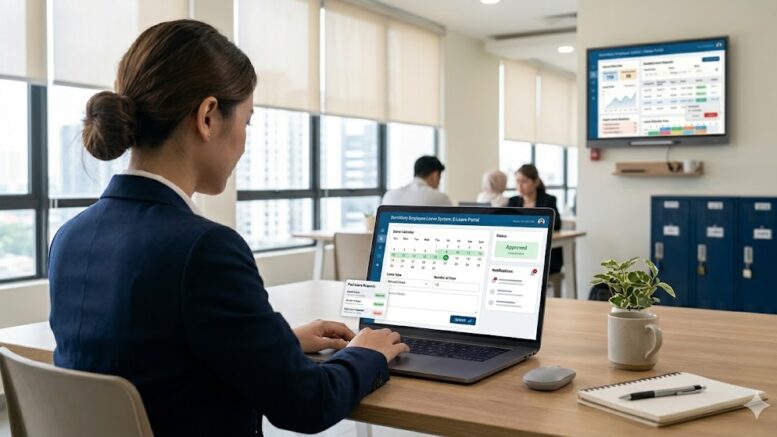
An electronic leave management system automates and streamlines the entire leave tracking process, helping employers comply with the Employment Act 1955 while reducing administrative burden.
Automated Leave Calculations
A dedicated e-leave system automatically calculates leave entitlements based on each employee’s length of service, leave type, and company policy. This eliminates manual calculation errors and ensures consistency across your organisation.
Real-Time Leave Balances
Employees and managers can view current leave balances instantly. This transparency allows staff to plan leave requests with accurate information and helps managers make informed scheduling decisions.
Centralised Leave Request Management
An e-leave system provides a single platform for submitting, approving, and tracking leave requests. This centralisation ensures nothing falls through the cracks and creates a clear audit trail for compliance purposes.
Compliance Support
A robust e-leave system is designed with Malaysia’s Employment Act 1955 requirements built in, helping you maintain compliance automatically. The system can flag potential compliance issues and generate reports for regulatory review.
Reduced Administrative Time
Automation significantly reduces the time HR teams spend on manual leave administration, freeing them to focus on strategic initiatives and employee development.
Key Features to Look for in an E-Leave System
When evaluating leave management solutions, consider these essential features:
- Compliance with local legislation: The system should reflect Malaysia’s Employment Act 1955 requirements and any applicable industry-specific regulations.
- Multi-leave type support: The ability to manage annual leave, sick leave, emergency leave, and other leave types with different rules for each.
- Flexible approval workflows: Customisable approval hierarchies that match your organisation’s structure and policies.
- Self-service portal: Employees should be able to check balances, submit requests, and manage their own leave without constant HR intervention.
- Reporting and analytics: Comprehensive reporting tools that provide insights into leave patterns, help with workforce planning, and support compliance audits.
- Integration capability: The system should integrate with your existing payroll, HR, and attendance systems to avoid data silos.
- Mobile accessibility: Employees should be able to request leave and check balances on mobile devices for convenience.
Implementing an E-Leave System in Your Organisation
Transitioning to an electronic leave system requires planning, but the process is generally straightforward:
Assess Your Current Processes
Document your existing leave policies, approval workflows, and any special arrangements. Identify pain points in your current process that the new system should address.
Choose the Right Solution
Select a system that aligns with your organisational needs, budget, and technical capabilities. Ensure it supports Malaysia’s Employment Act 1955 requirements and your specific leave policies.
Prepare Your Data
Gather and verify employee data, leave balances, and historical leave records. Data quality is crucial for a successful implementation.
Train Your Team
Provide clear training to HR staff, managers, and employees on how to use the system. Good training ensures adoption and maximises the system’s benefits.
Monitor and Optimise
After implementation, monitor system usage, gather feedback, and make adjustments as needed. Continuous improvement helps you get the most value from your investment.
How Smart Touch Technology Can Help
Smart Touch Technology offers an e-leave system designed specifically for Malaysian organisations. Our solution automates leave tracking in line with the Employment Act 1955 requirements, helping you manage employee leave entitlements accurately and transparently.
With features including automated leave calculations, real-time balance visibility, centralised request management, and comprehensive reporting, our e-leave system reduces administrative burden while ensuring compliance. The system supports multiple leave types and customisable approval workflows, allowing you to adapt it to your organisation’s specific needs and structure.
Whether you’re a small business managing a handful of employees or a large organisation with complex leave policies, our e-leave solution provides the tools you need to manage leave effectively and maintain employment law compliance.
Best Practices for Effective Leave Tracking
Beyond technology, following these best practices ensures your leave management is both compliant and fair:
- Communicate policies clearly: Ensure all employees understand their leave entitlements and the process for requesting leave.
- Maintain accurate records: Keep detailed records of all leave taken, approved, and accrued for audit and compliance purposes.
- Review policies regularly: Periodically review your leave policies to ensure they remain compliant with current legislation and meet employee expectations.
- Handle disputes promptly: Address leave-related disputes or questions quickly to prevent misunderstandings from escalating.
- Plan for peak leave periods: Anticipate times when multiple employees may request leave and plan team coverage accordingly.
Conclusion
Effective leave tracking under Malaysia’s Employment Act 1955 is essential for legal compliance, fair employee relations, and operational efficiency. While manual processes may work for very small organisations, they quickly become cumbersome and error-prone as you scale.
An e-leave system provides a modern, efficient solution that automates calculations, ensures compliance, and improves transparency for both employers and employees. By implementing the right leave management system and following best practices, you can simplify administration, reduce risk, and create a fair, compliant leave management process.
If you’d like to learn more about how Smart Touch Technology’s e-leave system can streamline leave tracking in your organisation, we invite you to get in touch with our team. We’re here to help you find the right solution for your business needs.